

Audi A4 Quattro Engine Oil Level Sensor Guide (1996-2002)
Understanding the common yellow oil sensor light and how to choose the right replacement part for your B5 A4.
- A faulty hood latch sensor can mimic a bad oil level sensor by preventing the warning light from resetting.
- The most common symptom is a yellow 'SENSOR' light on the dash when the oil level is actually full.
- Replacement is as simple as an oil change, involving three bolts on the bottom of the oil pan.
- For best results and working oil temperature readings, Hella is the most recommended aftermarket brand as it is often the OEM supplier.
Is a Yellow Oil Light On? Understanding Failure Symptoms
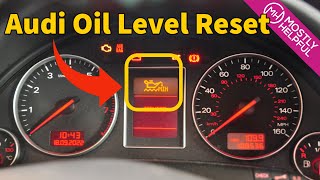
The most common sign of a failing oil level sensor is a persistent yellow oil warning light on your dashboard, even when the dipstick shows the oil level is correct. This light might say "SENSOR" next to the oil symbol. Sometimes, the light may flicker or only appear during certain driving conditions, like going up a hill or taking a sharp turn. In some A4 models, a faulty sensor can also cause the oil temperature gauge on your dash to stop working correctly or give erratic readings. It's important not to confuse this yellow level warning with the more serious red pressure warning. A red oil pressure light means you should stop the car immediately to prevent engine damage.
Check the Hood Latch First!
On these A4s, the oil level warning system is designed to reset only after it detects that the hood has been opened and closed. A faulty hood latch sensor can prevent the light from turning off, even after you've checked the oil or replaced the level sensor. If your dashboard doesn't show that the hood is open when it's up, the hood latch switch could be the real problem.
🎬 Watch this video to see why your oil light won't reset.Choosing the Right Aftermarket Oil Level Sensor
When replacing the oil level sensor on your A4 Quattro, you have several aftermarket options. Quality can vary, and for a part this critical, it's important to choose wisely. Forum discussions among B5 A4 owners show mixed results with certain aftermarket brands, especially regarding the oil temperature function.
- Hella: Hella is a well-regarded German brand and is often the original equipment manufacturer (OEM) for this part. Choosing a Hella sensor is the closest you can get to buying a genuine Audi part without the dealership price tag. Owners report that Hella sensors are reliable and most likely to work correctly, including the temperature reading function.
- Standard Ignition (SMP): Standard is a reputable aftermarket brand known for producing quality electronic components that meet or exceed OE specifications. They are generally considered a reliable choice for sensors and other engine management parts.
- URO Parts: URO Parts is known as a budget-friendly option. However, some owners have reported issues with cheaper sensors, specifically that the oil temperature gauge may not work correctly after installation. If the oil temperature reading is important to you, it may be worth investing in a higher-tier brand. 🎬 Learn how to replace both the oil level and temperature sensors.
- Global Parts: This brand name is more generic, and less specific user feedback is available. Quality can be inconsistent with lesser-known brands.
Pro Tip: Always Replace the O-Ring
The oil level sensor is sealed to the oil pan with an O-ring or gasket. A new sensor should always come with a new seal. To prevent leaks, make sure the mounting surface on the oil pan is perfectly clean before installing the new sensor and its seal. Lightly oiling the new O-ring with fresh engine oil can help ensure a good seal.
Cost of Replacing an Engine Oil Level Sensor
| Part Type | Estimated Cost |
|---|---|
| New Aftermarket | $49.49 - $119.75 |
| Shop Labor | $80 - $150 |
Note: Costs are estimates and can vary based on your location and the specific repair shop. The job requires draining the engine oil, so the cost of an oil change will be part of the total.
Frequently Asked Questions
Is it hard to replace the oil level sensor myself?
No, it's a relatively easy job if you are comfortable doing an oil change. The sensor is held to the bottom of the oil pan by three small bolts. You will need to safely raise the car, remove the engine undertray, drain the engine oil, unplug the old sensor, unbolt it, and then install the new one. The total time is usually under an hour.
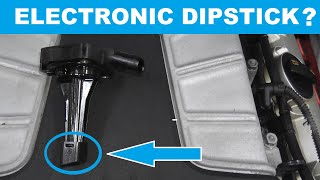
🎬 See a quick walkthrough of the oil level sensor replacement.Is the oil level sensor the same as the oil pressure sensor?
No, they are two different parts with separate functions. The oil level sensor (yellow light) measures the amount of oil in the pan. The oil pressure sensor (red light) measures the pressure being created by the oil pump to lubricate the engine. A low oil level can eventually lead to low oil pressure, but the sensors and warnings are distinct.
Are there any recalls for the oil level sensor on the 1996-2002 A4?
No, searches of the National Highway Traffic Safety Administration (NHTSA) database did not find any recalls specifically for the engine oil level sensor on this vehicle. However, Audi has issued Technical Service Bulletins (TSBs) for newer models regarding faulty oil level sensors that give incorrect warnings, which indicates it's a known issue on Audi vehicles in general.
Can I just ignore the yellow oil sensor light?
It is not recommended. While a faulty sensor can be an annoyance, the warning light is there for a reason. If you ignore a real low-oil warning, you risk catastrophic engine failure. It's best to confirm the sensor is faulty and replace it so the system can warn you properly if a real problem occurs.
Helpful Videos
Technical Specifications
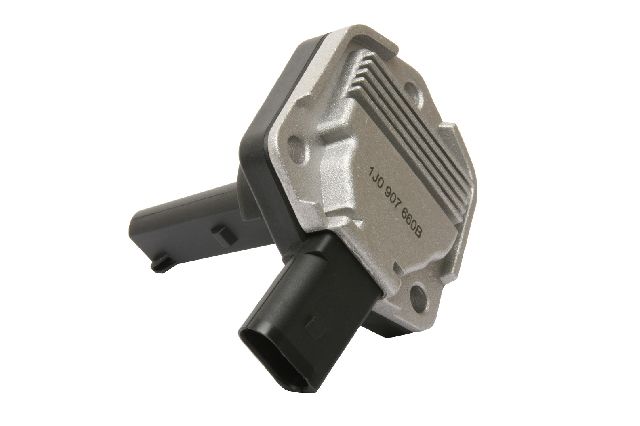
OEM Part Numbers: 1J0907660B 1J0907660C 03C907660S 03C907660R
Mounts to the bottom of the engine oil pan with three bolts. Features a 3-pin electrical connector.
We Have This Part in Stock


The information in this article is provided for general reference and educational purposes only. Vehicle specifications, procedures, and part compatibility can vary by production date, trim level, and region. Always consult your vehicle's factory service manual and verify part numbers before purchasing or performing repairs. Safety-critical components such as airbags, seat belts, and braking systems should be installed by a qualified professional.
- Audi A4 Quattro: