

BMW Z3 (1996-2002) Engine Coolant Temperature Sensor Guide
Is your Z3 running rough or getting bad gas mileage? Your coolant temperature sensor might be the problem.
- A failing sensor causes poor fuel economy, rough running, and can lead to overheating.
- Choose a quality aftermarket brand like Delphi or Beck Arnley; these cars are sensitive to sensor quality.
- Location varies by engine: 4-cylinders are easy to access, 6-cylinders are more difficult (under the intake).
- Always bleed the cooling system after replacement to prevent air pockets and overheating.
Signs of a Failing Coolant Temperature Sensor
When an engine coolant temperature sensor starts to fail, it can send wrong signals to your Z3's computer. This can cause a variety of problems that you might notice while driving.
- Check Engine Light: A faulty sensor will often trigger the check engine light. Common codes include P0117 (circuit low) and P0118 (circuit high). 🎬 Watch: A guide to diagnosing P0117 and P0118 codes.
- Poor Fuel Economy: If the sensor tells the computer the engine is cold when it's not, the computer will inject too much fuel, wasting gas.
- Black Smoke from Exhaust: A very rich fuel mixture can result in black smoke coming from the tailpipe.
- Rough Idle: The engine may idle poorly or run rough, especially when it's supposed to be warmed up.
- Hard Starting: The engine might be difficult to start, particularly when it's cold.
- Engine Overheating: A bad sensor can prevent the electric cooling fan from turning on when it should, leading to overheating.
- Inaccurate Temp Gauge: The temperature gauge on your dashboard might behave erratically or show no reading at all.
Choosing the Right Aftermarket Sensor for Your Z3
BMWs from this era can be particular about their sensors. While an OEM (Original Equipment Manufacturer) part is always a safe bet, many high-quality aftermarket brands offer reliable performance for a lower price. It's often best to avoid the absolute cheapest options, as they can fail quickly and cause the same problems all over again.
Brand Quality Tiers
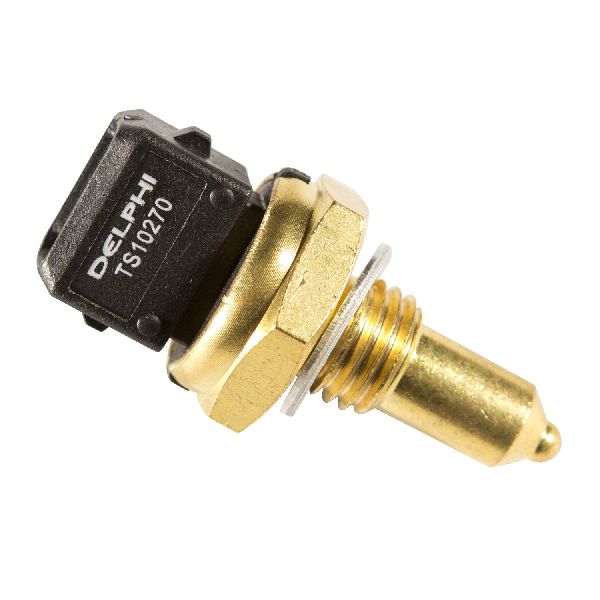
- Tier 1 - OEM Equivalent: Brands like Delphi are often original equipment suppliers and are known for their quality and accurate readings. Vemo is another brand often considered to be of OEM quality.
- Tier 2 - Trusted Aftermarket: Brands such as Beck Arnley, Standard Ignition (SMP), and NGK have a long history of making reliable replacement parts. Beck Arnley often sources its parts from the original manufacturers.
- Tier 3 - Budget-Friendly: Brands like Facet, Four Seasons, and Global Parts offer a lower-cost alternative. While they can be a good value, their lifespan and accuracy may not match the higher-tiered brands.
Cost to Replace a Z3 Coolant Temperature Sensor
The cost to replace the sensor is relatively low, especially if you do the work yourself. The part itself is affordable, and labor at a professional shop is typically minimal.
| Item | Estimated Cost |
|---|---|
| New Aftermarket Sensor | $19 - $43 |
| New OEM Sensor | $45 - $70 |
| Shop Labor | $90 - $150 |
| Total (DIY) | $19 - $43 |
| Total (at a shop) | $109 - $193 |
Frequently Asked Questions
Where is the coolant temperature sensor located on a 1996-2002 BMW Z3?
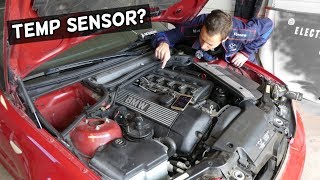
The location depends on your engine. On 4-cylinder (M44) engines, it's usually at the front of the cylinder head on the driver's side. 🎬 Watch: Step-by-step sensor replacement for the M44 engine. On 6-cylinder (M52, M52TU) engines, it is typically mounted on the cylinder head, underneath the intake manifold, which can make it difficult to access. Some later models may have a second sensor in the lower radiator hose. Always verify the location for your specific engine before starting.
🎬 See this video to find the sensor on your BMW.Can I replace the sensor myself?
Yes, this is a DIY-friendly job for many owners. For sensors on the front of the engine, it's quite simple. For sensors under the intake manifold, it is more challenging and may require removing other components for access. The key steps are to work on a cool engine, relieve any pressure in the cooling system, unscrew the old sensor, quickly install the new one to minimize coolant loss, and then bleed the cooling system to remove any air pockets.
How many coolant temperature sensors does a Z3 have?
Most Z3 models from this period have one primary sensor that serves both the engine computer and the dashboard gauge. However, some configurations might have a second sensor, often located in the radiator, to control the auxiliary fan. The sensor that causes most engine running problems is the one connected to the DME, located on the engine itself.
What happens if I don't replace a bad sensor?
Driving with a bad sensor is not recommended. It can lead to poor engine performance, terrible fuel economy, and failed emissions tests. In a worst-case scenario, it could cause the engine to overheat without warning, potentially leading to severe and expensive engine damage.
Are there any recalls for the Z3 coolant temperature sensor?
No specific recalls were found for the engine coolant temperature sensor on the 1996-2002 BMW Z3. Searches for recalls and Technical Service Bulletins (TSBs) did not show any widespread campaigns for this specific part on this model.
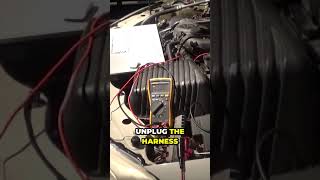
Helpful Videos
Technical Specifications
OEM Part Numbers: 13621433076 13621703993
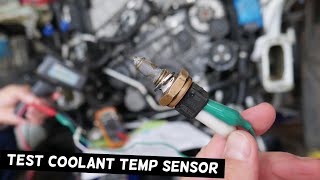
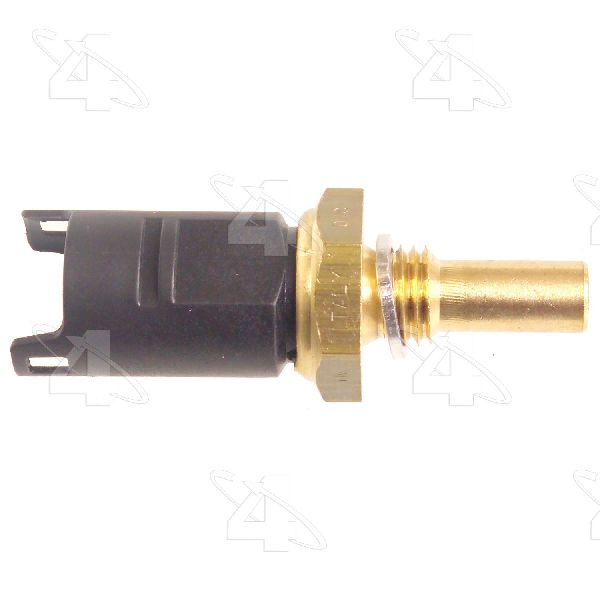
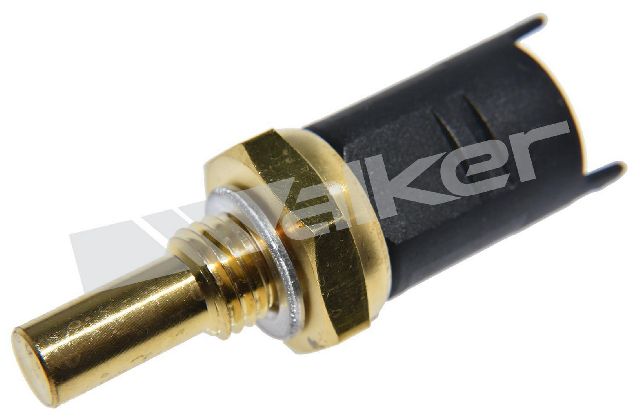
The sensor for the BMW Z3 is typically a 4-pin, threaded sensor. It functions as a negative temperature coefficient (NTC) thermistor, meaning its resistance decreases as temperature increases. It often contains two separate circuits: one for the engine control unit (DME) and one for the instrument cluster gauge.
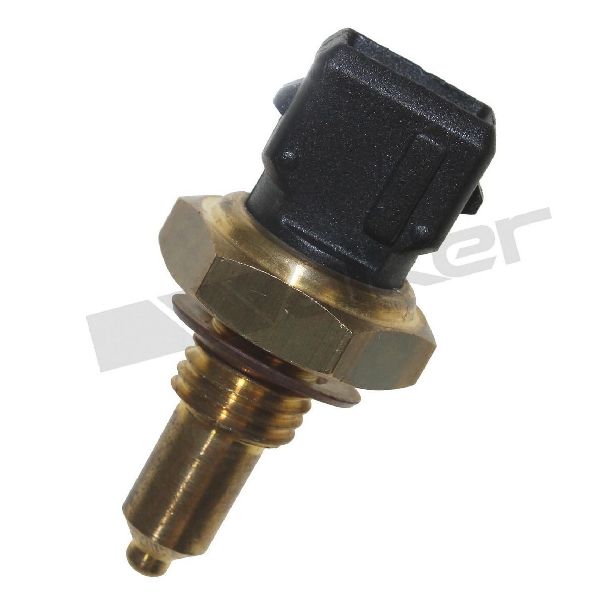
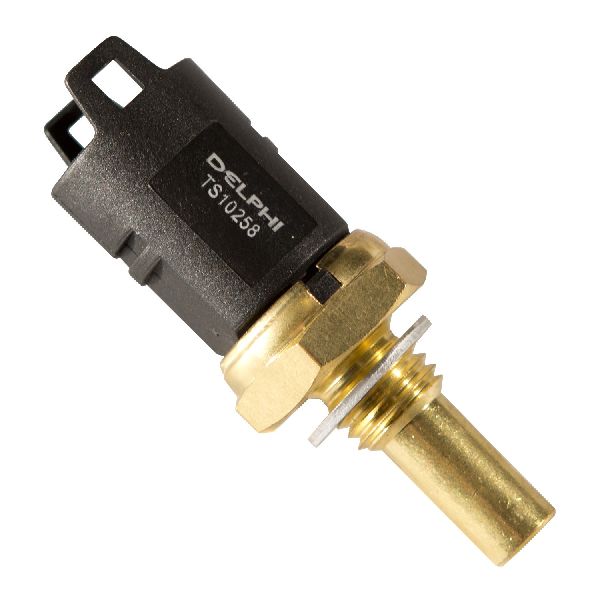
We Have This Part in Stock


The information in this article is provided for general reference and educational purposes only. Vehicle specifications, procedures, and part compatibility can vary by production date, trim level, and region. Always consult your vehicle's factory service manual and verify part numbers before purchasing or performing repairs. Safety-critical components such as airbags, seat belts, and braking systems should be installed by a qualified professional.
- BMW Z3: