

Engine Camshaft Position Sensor: A Guide for the 1996-2002 Chevrolet Express 2500
If your work van is stalling, hard to start, or running rough, the camshaft position sensor could be the culprit.
- A failing camshaft sensor is a primary cause of stalling, no-starts, and rough running in these vans.
- The sensor is located under the distributor cap, making replacement very difficult and labor-intensive due to poor access.
- For this critical, hard-to-replace part, using a high-quality OEM-equivalent brand like ACDelco or Delphi is strongly recommended to avoid premature failure.
- The most common diagnostic trouble code associated with this failure is P0340.
Is Your Express Van Stalling or Hard to Start?
A failing camshaft position sensor is a common problem that can make your 1996-2002 Chevrolet Express 2500 unreliable. Because this sensor is essential for engine timing, a bad signal can cause a variety of issues, from annoying to dangerous. Symptoms often start small but get worse over time, potentially leaving you stranded.
Symptoms of a Bad Camshaft Position Sensor
Watch for these common signs of a failing camshaft position sensor. You may experience one or several of these issues.
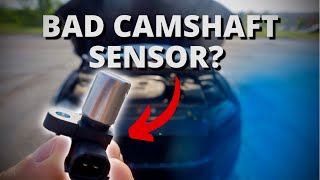
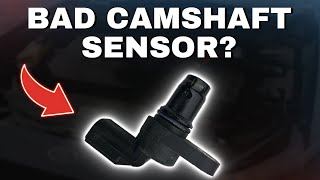
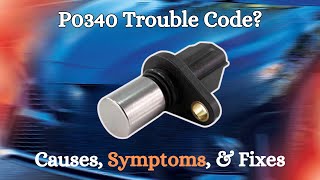
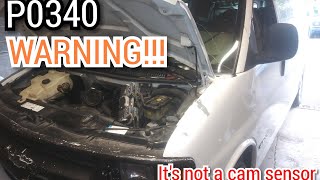
🎬 Watch: See these common camshaft sensor failure symptoms in action.- Check Engine Light: This is often the first sign. The most common trouble code is P0340, which points to a problem in the camshaft position sensor circuit. 🎬 Watch: How to fix a P0340 code and its causes.
- Engine Stalling: The engine may stall unexpectedly while driving or when idling at a stoplight. This is a serious safety concern.
- Hard Starting or No Start: Your van may take longer than usual to start, or it might just crank without ever firing up.
- Rough Idle and Hesitation: The engine may run unevenly, shake, or feel like it's about to stall. You might also notice a hesitation or stumble when you press the gas pedal.
- Loss of Power: Your van may feel sluggish and struggle to accelerate, especially under load or going uphill.
Choosing the Right Aftermarket Sensor
For a critical sensor like this, quality matters. While budget parts are available, a failed sensor can leave you stranded. Choosing a well-regarded brand can save you from doing the job twice.
Brand Quality Tiers
| Tier | Brands | Why |
|---|---|---|
| Premium / OEM Equivalent | ACDelco, Delphi | ACDelco is the genuine GM parts brand, and Delphi was an original equipment manufacturer for GM. These are the safest bets for reliability and proper function, and are highly recommended for critical sensors. |
| Quality Aftermarket | Standard Ignition (SMP), NGK/NTK | These brands have a strong reputation in the aftermarket for producing reliable electronic components that meet or exceed OEM specifications. They offer a good balance of price and quality. |
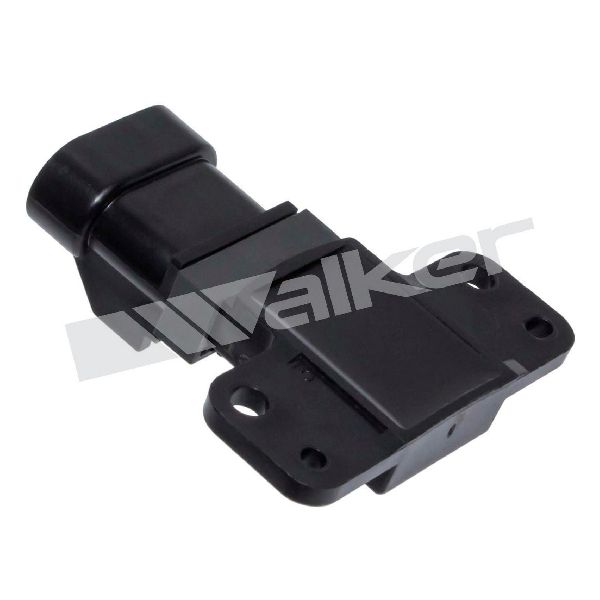
| Standard / Economy | Dorman, Walker, Holstein, Spectra, etc. | These brands provide a cost-effective solution. While many users have success with them, they are generally considered a budget-friendly option. For a part that is difficult to replace, consider the potential labor cost of a premature failure. |
Known Issues, Recalls, and Service Bulletins
As of early 2026, there are no specific recalls or Technical Service Bulletins (TSBs) from the NHTSA or General Motors for the engine camshaft position sensor on the 1996-2002 Chevrolet Express 2500. Problems with this part are typically due to normal wear and tear from heat and age.
A Note on Replacement
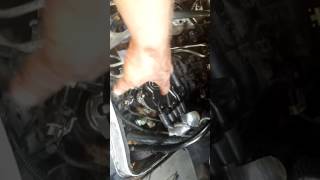
On the V6 and V8 engines in these Express vans, the camshaft position sensor is located underneath the distributor cap and rotor. 🎬 See this walkthrough for replacing the sensor on a 5.7L engine. Due to the van's design, the distributor is at the very back of the engine bay, close to the firewall. Access is extremely tight, making this a difficult and time-consuming repair, even for experienced mechanics. This is why shop labor costs are high for this specific job.
Frequently Asked Questions
Where is the camshaft position sensor located?
On the 4.3L V6, 5.0L V8, and 5.7L V8 engines, the sensor is located inside the distributor, underneath the distributor cap and rotor at the rear of the engine.
Can I replace this sensor myself?
While possible, it is not recommended for beginners. The location at the back of the engine bay is very difficult to reach in an Express van. It often requires removing other components for access and can be a frustrating job. The high estimated shop labor time reflects this difficulty.
What happens if I don't replace a bad sensor?
You will continue to have starting and running problems that will likely get worse. The most serious risk is the engine stalling while you are driving, which can be very dangerous. Continuing to drive may also cause damage to other components, like the catalytic converter, from unburned fuel.
Is the camshaft sensor the same as the crankshaft sensor?
No, they are two different sensors. The camshaft sensor tracks the top part of the engine (valves), while the crankshaft sensor tracks the bottom part (pistons). Both are critical for engine timing, and sometimes a failure in one can be confused for the other. A proper diagnosis is important.
Helpful Videos
Technical Specifications
OEM Part Numbers: 19420911 12561211 10485432 19417445
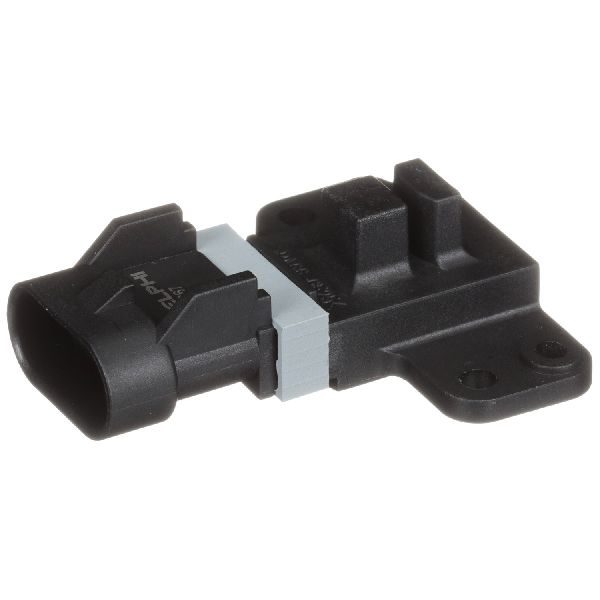
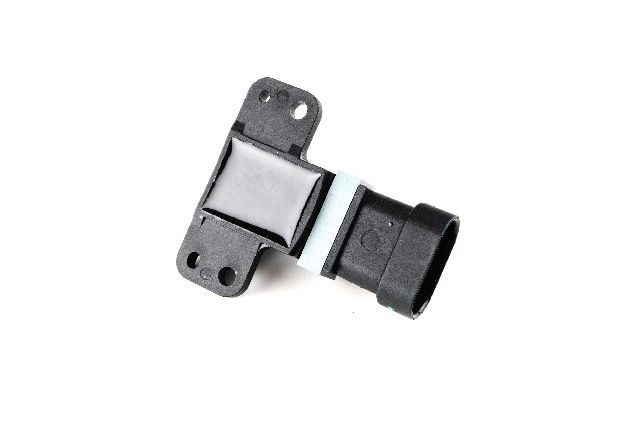
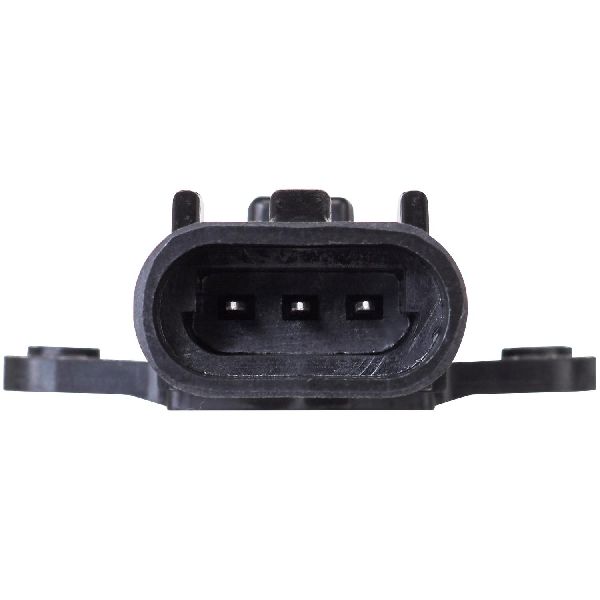
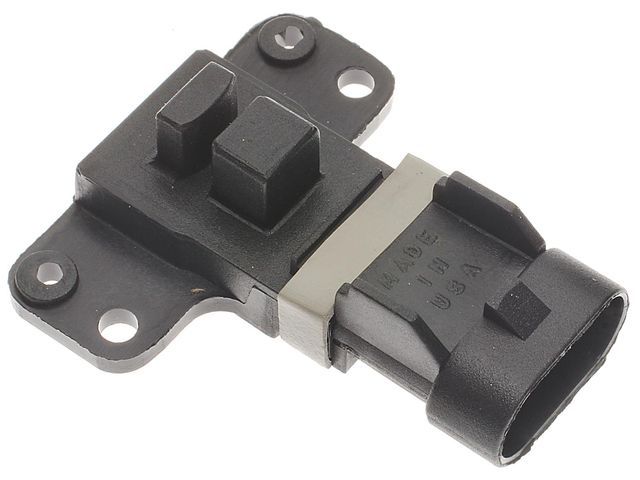
Located inside the distributor assembly. Connector is typically a 3-pin oval shape.
We Have This Part in Stock


The information in this article is provided for general reference and educational purposes only. Vehicle specifications, procedures, and part compatibility can vary by production date, trim level, and region. Always consult your vehicle's factory service manual and verify part numbers before purchasing or performing repairs. Safety-critical components such as airbags, seat belts, and braking systems should be installed by a qualified professional.
- Chevrolet Express 2500: