

Engine Coolant Temperature Sensor Guide for 1996-2002 Chevrolet Express 2500
Keep your Vortec engine running smoothly by understanding the signs of a failing coolant temperature sensor.
- A failing ECT sensor can cause poor fuel economy, black smoke, overheating, and hard starts.
- The sensor is located on the driver's side cylinder head and is accessible for a DIY replacement.
- For best results, choose a premium aftermarket brand like Delphi or a reputable name like Standard Motor Products or NGK.
- Always check the sensor's electrical connector for damage, as it can mimic the symptoms of a bad sensor.
Is Your Express Van Acting Up? It Could Be the Coolant Sensor
If your Chevrolet Express van is experiencing issues like poor fuel economy, a temperature gauge that's acting strange, or it's hard to start, a faulty Engine Coolant Temperature (ECT) sensor might be the culprit. This sensor tells the engine's computer how hot or cold the engine is, which is critical for proper performance. When it fails, it can cause a range of problems, from annoying to serious.
What Happens When the ECT Sensor Fails?
A bad sensor can send the wrong signal to your van's computer. For example, it might tell the computer the engine is cold even when it's fully warmed up. This causes the computer to inject too much fuel, leading to poor gas mileage, black smoke from the exhaust, and potential long-term engine issues.
Choosing the Right Aftermarket Sensor for Your Express 2500
When replacing the ECT sensor, you have a choice between OEM (Original Equipment Manufacturer) and various aftermarket brands. For a critical sensor like this, quality matters.
- Premium Aftermarket (OEM-Equivalent): Brands like Delphi are often the original equipment supplier for General Motors. Choosing a Delphi sensor is the closest you can get to the original part's performance and reliability. They are designed as direct-fit replacements and are known for their durability.
- Quality Aftermarket: Brands such as Standard Motor Products (SMP), NGK, and Beck/Arnley have a strong reputation for producing reliable electronic components that meet or exceed OEM specifications. These are a solid choice for a balance of quality and price.
- Budget-Friendly Options: Brands like Four Seasons, Global Parts, and Walker Products offer more affordable sensors. While they can get the job done, some owner experiences suggest that with critical sensors, sticking to well-known or OEM-equivalent brands can prevent repeat failures and diagnostic headaches down the road.
Pro Tip: Check the Connector
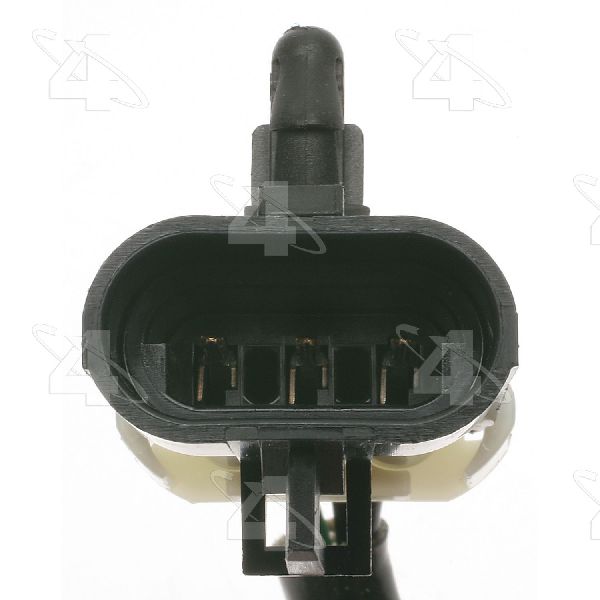
Sometimes the issue isn't the sensor itself, but the electrical connector or wiring. Before replacing the sensor, inspect the connector for corrosion, damage, or loose pins. Some replacement sensors come with a new connector pigtail, which can be a good idea if yours looks worn out.
Cost to Replace the Engine Coolant Temperature Sensor
Here is a general breakdown of what you can expect to pay for the part and professional installation.
| Part/Service | Estimated Cost |
|---|---|
| New Aftermarket Sensor | $12 - $154 |
| Shop Labor | $50 - $100 |
| Total Estimated Cost | $62 - $254 |
Frequently Asked Questions for Express 2500 Owners
Where is the ECT sensor located on a 1996-2002 Express 2500?
On the V8 engines common in these vans (like the 5.7L Vortec), the ECT sensor is typically located on the driver's side cylinder head, between the spark plugs. It can also be found near the thermostat housing on the front of the intake manifold on some GM engines. Access can be tight, either from inside the van by removing the engine cover (doghouse) or from underneath through the driver's side wheel well.
Can I replace this sensor myself?
Yes, this is a DIY-friendly job for most home mechanics. The main steps involve relieving coolant system pressure, unplugging the sensor, and unscrewing it with a deep socket (often 19mm or 3/4"). Have the new sensor ready to install quickly to minimize coolant loss. Always work on a cool engine to avoid burns.
Are there any recalls for this part?
As of early 2026, there are no specific NHTSA recalls for the engine coolant temperature sensor on the 1996-2002 Chevrolet Express 2500. However, GM has issued Technical Service Bulletins (TSBs) for similar models with ECT sensor issues, which sometimes involve a software update for the engine computer rather than a part replacement.
Is there more than one coolant sensor on my van?
Most 1996-2002 Express vans use a single ECT sensor that sends information to both the engine computer and the dashboard temperature gauge. However, some vehicles have a separate sensor or sending unit just for the gauge. If your gauge is acting erratically but the engine runs fine, it's worth confirming which sensor your specific model uses.
Technical Specifications
OEM Part Numbers: 12608814 15326386 19236568 25037332
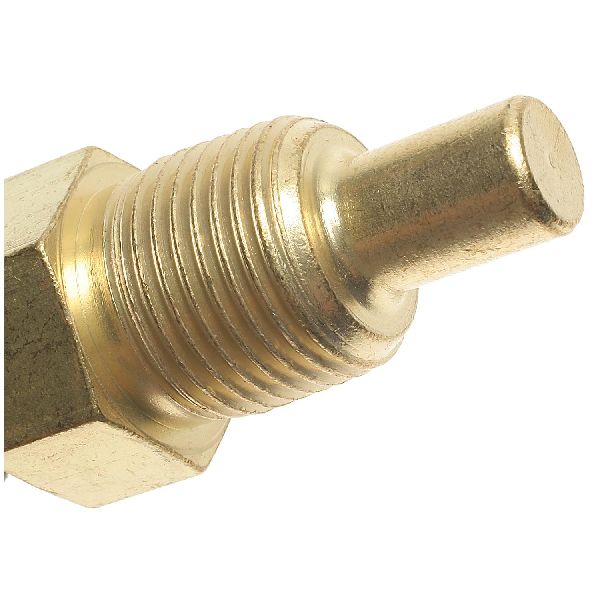
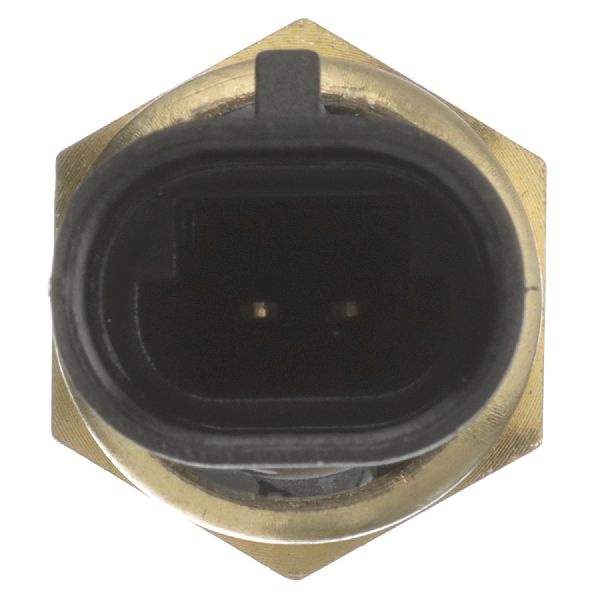
Typically features a 2-pin connector and 3/8" or M12 pipe threads. The sensor is a thermistor, meaning its resistance changes with temperature.
We Have This Part in Stock



The information in this article is provided for general reference and educational purposes only. Vehicle specifications, procedures, and part compatibility can vary by production date, trim level, and region. Always consult your vehicle's factory service manual and verify part numbers before purchasing or performing repairs. Safety-critical components such as airbags, seat belts, and braking systems should be installed by a qualified professional.
- Chevrolet Express 2500:
- 🛍️ Shop This Part
- Is Your Express Van Acting Up? It Could Be the Coolant Sensor
- What Happens When the ECT Sensor Fails?
- Choosing the Right Aftermarket Sensor for Your Express 2500
- Pro Tip: Check the Connector
- Cost to Replace the Engine Coolant Temperature Sensor
- Frequently Asked Questions for Express 2500 Owners
- 🎟️ Get 5% Off