

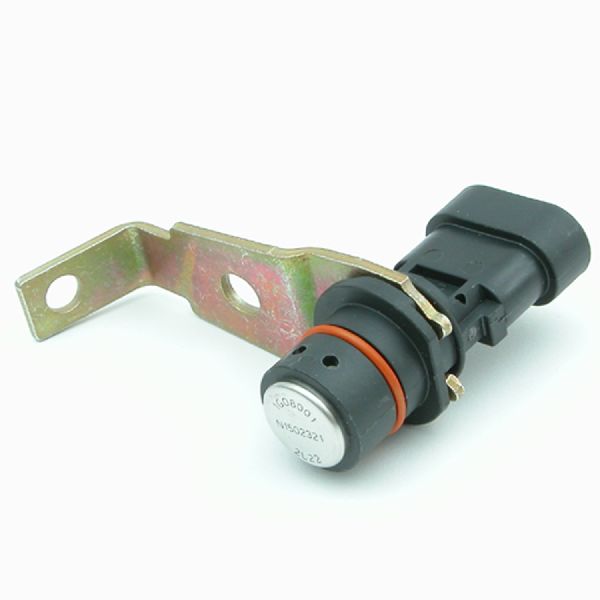
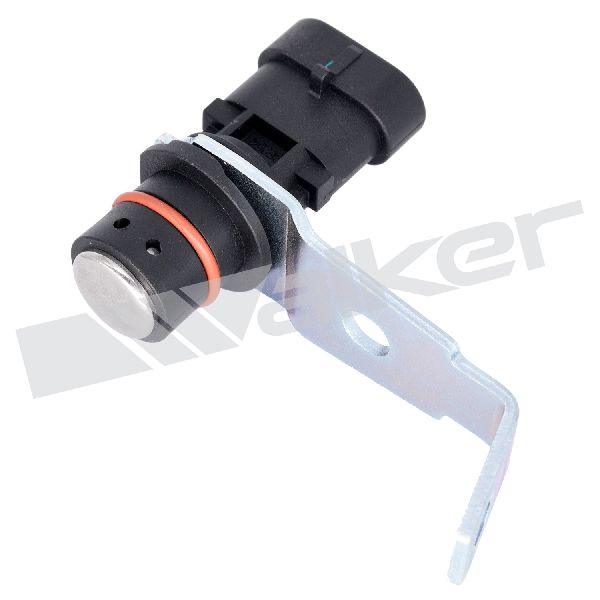
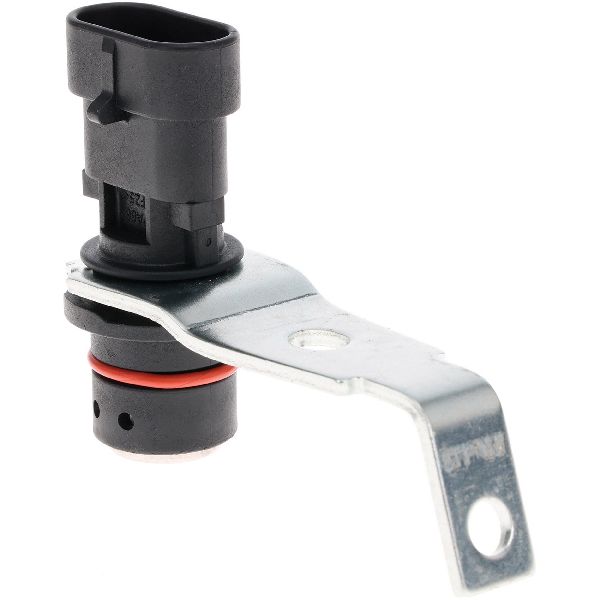
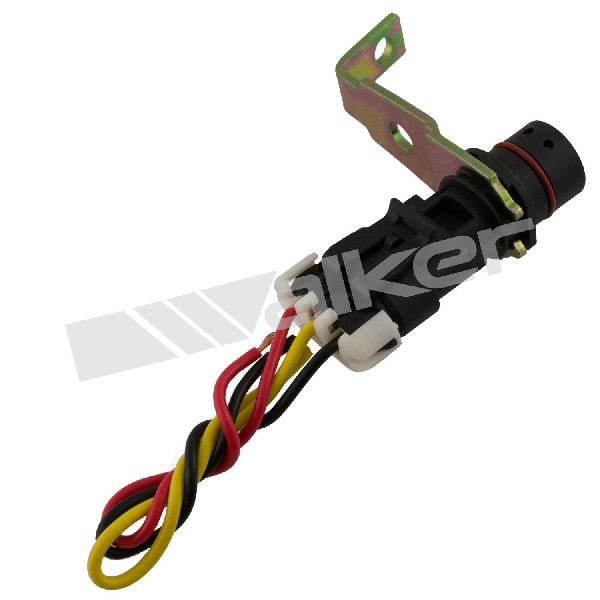
Chevrolet Express 2500 Crankshaft Position Sensor: A Guide for 1996-2002 Models
Having starting issues or stalling with your Chevy van? Your crankshaft position sensor might be the culprit.
- A failing sensor can cause no-start, stalling, and rough running conditions.
- After replacement, a 'Crankshaft Variation Relearn' procedure is mandatory and requires a specific scan tool.
- Choosing a quality brand like ACDelco or Delphi is strongly recommended to ensure reliability and avoid repeat repairs.
- Driving with a faulty sensor is not safe due to the risk of the engine stalling unexpectedly.
Is Your Express Van's Crank Sensor Failing?
A failing crankshaft position sensor in the 1996-2002 Chevrolet Express 2500 can cause a range of problems, from annoying to leaving you stranded. Because this sensor is essential for engine operation, its failure can mimic other issues, but there are several common signs to watch for.
Common Failure Symptoms:
- No-Start Condition: The most severe symptom. The engine cranks over but refuses to start because the computer isn't getting the signal it needs to fire the ignition and injectors.
- Intermittent Stalling: The engine may die unexpectedly while driving, especially at low speeds or when coming to a stop. It might restart after cooling down, a classic sign of electronic component failure.
- Rough Idling and Misfires: Your van may idle poorly, shake, or vibrate due to incorrect ignition timing caused by a faulty sensor signal.
- Hard Starting: The engine takes longer than usual to crank and start. This happens when the sensor provides a weak or erratic signal.
- Check Engine Light: A failing sensor will often trigger the Check Engine Light and store a diagnostic trouble code, most commonly P0335.
A Critical Warning: The Crankshaft Variation Relearn Procedure
After replacing the crankshaft position sensor on these GM vehicles, you must perform a "Crankshaft Variation Relearn" (also called a CASE relearn). If you skip this step, the engine may run rough, misfire, and keep the Check Engine Light on with a code like P1336. This procedure requires a compatible OBD-II scan tool with the specific function to command the relearn. Many DIY-level scanners cannot do this, so you may need to visit a repair shop to have the procedure completed even if you change the part yourself.
Choosing the Right Aftermarket Crankshaft Sensor
For a critical sensor like this, quality matters. While you don't necessarily need to buy a part from the dealer, choosing a reputable aftermarket brand is crucial for reliability. Cheap, no-name sensors are known to fail quickly or be dead on arrival. Here's a breakdown of common brands.
Brand Quality Tiers
- Tier 1 (OEM or OEM-Equivalent): ACDelco and Delphi are the top choices. Delphi was often the original equipment manufacturer for GM parts, so their quality is typically identical to the dealer part. ACDelco is GM's own parts brand. For this critical sensor, spending a little more on one of these two brands is highly recommended.
- Tier 2 (High-Quality Aftermarket): Brands like Standard Motor Products (SMP) and NGK/NTK have a strong reputation for producing reliable sensors. They are a solid choice if OEM-tier parts are unavailable or out of budget. Walker Products and Holstein also position themselves as quality alternatives.
- Tier 3 (Economy/Value): This tier includes brands like Dorman and various store brands. While the price is attractive, the quality can be inconsistent for electronic parts. Some users have success, but the risk of premature failure is higher. It's often worth spending a few extra dollars to avoid doing the job twice.
Pro Tip: Given the labor involved and the critical need for a relearn procedure, it's best to use a Tier 1 brand like ACDelco or Delphi. The small cost savings of a cheaper sensor isn't worth the risk of another failure and the potential cost of a second diagnostic and relearn procedure.
Typical Replacement Costs
The cost to replace the crankshaft position sensor on a 1996-2002 Express 2500 can vary based on who does the work and the part chosen.
| Item | Estimated Cost |
|---|---|
| New Aftermarket Part | $26.90 - $99.28 |
| Shop Labor | $117 - $172 |
| Shop Labor (including CASE Relearn) | $150 - $250 |
| Total Professional Replacement | $182 - $285+ |
Frequently Asked Questions (FAQ)
Where is the crankshaft position sensor located on the 1996-2002 Express 2500?
On V8 engines like the 5.7L, the crankshaft position sensor is typically located on the lower passenger side of the engine block, behind the harmonic balancer. Access can be tight, and on some models, you may need to remove the starter to get to it.
Can I replace this sensor myself?
Yes, if you have moderate mechanical skills and the right tools. The main challenge is accessing the sensor. However, remember that a special scan tool is required for the mandatory Crankshaft Variation Relearn procedure afterward. Without this step, the repair is not complete.
What is a P0335 code?
P0335 stands for "Crankshaft Position Sensor 'A' Circuit Malfunction." This code means the engine's computer is not receiving a signal, or is receiving an incorrect signal, from the crankshaft sensor. It's the most common trouble code associated with a failed sensor.
Is it safe to drive with a bad crankshaft position sensor?
It is not recommended. A failing sensor can cause the engine to stall at any time, which is a major safety hazard, especially in traffic or at high speeds. If you suspect the sensor is bad, it's best to get the vehicle repaired as soon as possible.
Technical Specifications
OEM Part Numbers: 12560228 12596851 88864687 213-3208
Typically a 3-pin, hall-effect sensor. Requires a Crankshaft Variation Relearn procedure after installation on GM vehicles.
We Have This Part in Stock


The information in this article is provided for general reference and educational purposes only. Vehicle specifications, procedures, and part compatibility can vary by production date, trim level, and region. Always consult your vehicle's factory service manual and verify part numbers before purchasing or performing repairs. Safety-critical components such as airbags, seat belts, and braking systems should be installed by a qualified professional.
- Chevrolet Express 2500: