

1996-2002 Chevrolet Express 2500 Horn: Troubleshooting and Replacement Guide
Before you buy a new horn for your Express van, make sure the horn is actually the problem—it often isn't.
- Before buying a new horn, always check the 20A fuse and the horn relay in the under-hood fuse box first.
- A very common problem on these vans is dirty contacts inside the steering wheel horn pad, which can often be cleaned for a free repair.
- A weak or off-tone sound means one of the two horns has failed; you only need to replace the failed unit (either high or low note).
- If the horn is dead and the airbag light is on, the clock spring has failed and requires immediate attention.
Is Your Express 2500 Horn Failing? Symptoms to Look For
A horn problem on these vans usually shows up in a few distinct ways. The first step is to correctly identify the symptom, as it points to the most likely cause.
- No Sound at All: When you press the horn pad, nothing happens. This is the most common failure. It often points to an issue in the electrical circuit, not the horn itself.
- Weak or Off-Tone Sound: The horn works, but sounds quiet, weak, or has a strange pitch. This almost always means one of the two horns in the dual-horn system has failed. Your van has a high-note and a low-note horn; when one stops working, the sound is noticeably different.
- Intermittent Operation: The horn only works when you press a specific spot on the steering wheel pad or wiggle it. This strongly suggests a problem with the contacts inside the steering wheel, not the horn assembly.
Before You Buy: The Real Problem Might Be Free to Fix
On the 1996-2002 Express vans, the horn assembly itself is fairly reliable. More often than not, the problem lies elsewhere in the system. Before spending money on a new part, perform these checks in order:
- Check the Fuse: The horn circuit is protected by a 20-amp fuse located in the fuse box under the hood. Check this fuse first. If it's blown, replace it and test the horn. If it blows again immediately, you have a short circuit that needs to be diagnosed.
- Check the Relay: Have a helper press the horn while you listen or feel for a click from the horn relay, also in the under-hood fuse box. If the relay clicks, it means the steering wheel switch is working and sending power. If it doesn't click, the problem is likely the relay or the switch in the steering column.
- Pro Tip: Cleaning the Horn Pad Contacts: A very common issue on these GM vans is dirt and grime building up on the four copper contacts inside the steering wheel horn pad. This prevents a good electrical connection. Carefully removing the airbag assembly (disconnect the battery first!) and cleaning these contacts with an emery cloth or fine-grit sandpaper can often restore horn function completely.
- Check the Clock Spring: If your horn doesn't work AND your airbag warning light is on, the problem is almost certainly a failed clock spring in the steering column. This part allows the steering wheel to turn while maintaining electrical connections for the horn and airbag. This is a critical safety repair.
Choosing the Right Aftermarket Horn
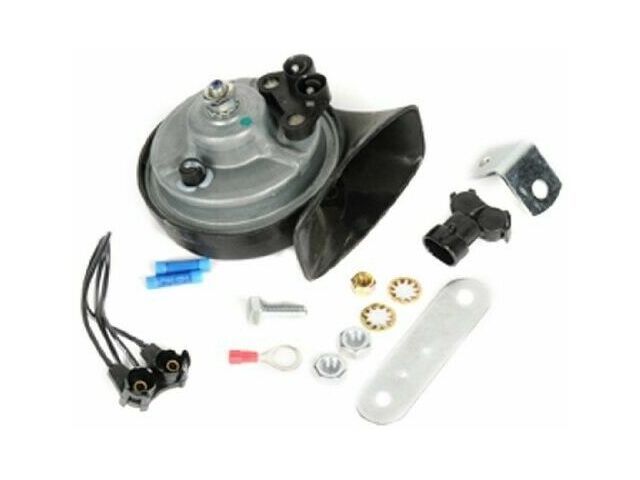
If you've done your homework and confirmed the horn assembly itself is dead, you have a few good aftermarket options. For a vehicle of this age, a quality aftermarket horn provides excellent value.
Brand Tiers:
- ACDelco: This is the original equipment (OE) manufacturer for General Motors. Choosing an ACDelco horn is essentially buying the same part that the van came with from the factory. It's the best choice for guaranteed fit, function, and durability.
- Standard Ignition (SMP): Standard Motor Products is a well-respected aftermarket brand known for quality electrical components. Their horns are a reliable and slightly more affordable alternative to ACDelco, offering comparable performance and longevity.
- Replacement: This is a generic or store-brand option. While it's the most budget-friendly, quality can be inconsistent. For a safety component like a horn, it's generally worth spending a little more for a reputable brand like ACDelco or Standard.
Estimated Horn Replacement Costs
| Part Type | Estimated Cost |
|---|---|
| New OEM (ACDelco) | $48 - $60 per horn |
| New Aftermarket | $35 - $95 |
| Shop Labor | $50 - $100 |
Frequently Asked Questions
Where is the horn located on my 1996-2002 Express 2500?
The dual horns are typically mounted together in the front of the engine compartment, located behind the driver's side headlight assembly.
My horn sounds weak. Do I need to replace both horns?
Not necessarily. A weak or high-pitched sound usually means one of the two horns (high-note or low-note) has failed. You only need to identify and replace the one that is not working. You can do this by unplugging one horn at a time to see which one is silent.
Is replacing the horn on my Express van a difficult job?
No, replacing the horn assembly itself is very easy. It is typically held by one bolt and has a single electrical connector. The difficulty rating is 1 out of 5, and it can be done in under an hour with basic hand tools. The more difficult part is properly diagnosing that the horn is the actual problem.
Are there any recalls for the horn on my van?
No. As of early 2026, there are no recalls or technical service bulletins (TSBs) issued by GM or the NHTSA for horn failure on the 1996-2002 Chevrolet Express.
Technical Specifications
OEM Part Numbers: 84594590 (Low Note) 84594588 (High Note)
System Type: Dual-Tone Horn (High and Low Note). Fuse: 20 Amp. Location: Behind driver's side headlight assembly.
We Have This Part in Stock


The information in this article is provided for general reference and educational purposes only. Vehicle specifications, procedures, and part compatibility can vary by production date, trim level, and region. Always consult your vehicle's factory service manual and verify part numbers before purchasing or performing repairs. Safety-critical components such as airbags, seat belts, and braking systems should be installed by a qualified professional.
- Chevrolet Express 2500: