

Choosing the Right Disc Brake Pads for Your 1996-2002 Chevrolet Express 3500
Your heavy-duty van has specific needs; here's how to pick the best aftermarket brake pads for the job.
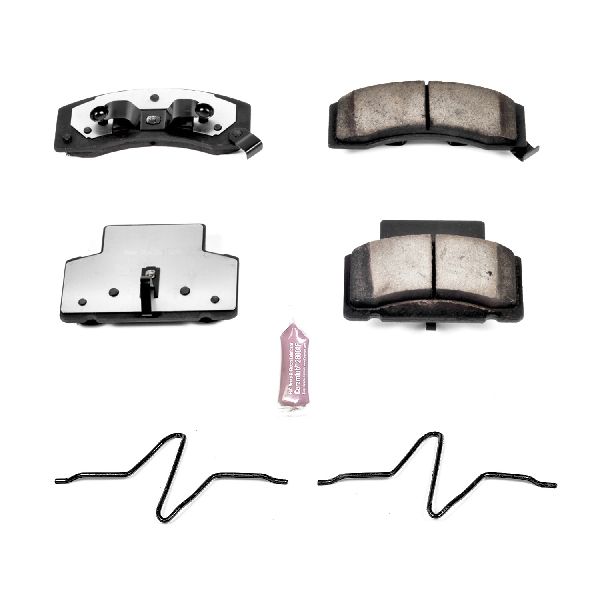
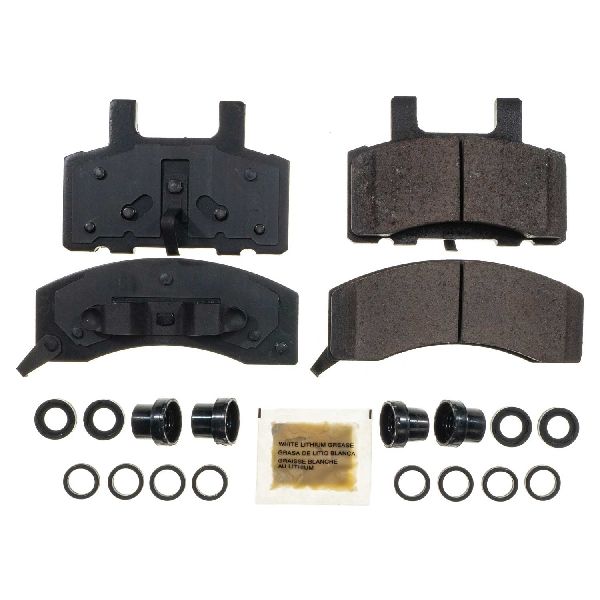
- For heavy loads or towing, choose Severe-Duty semi-metallic or carbon-fiber ceramic pads from brands like Powerstop, EBC, or Wagner SD.
- For general daily use, OEM-equivalent ceramic or semi-metallic pads from Bosch, ACDelco, or Wagner offer a good balance of performance and value.
- Always inspect your brake rotors when changing pads; replace them if they are worn, grooved, or warped for safety and performance.
- Be aware of a 2004 recall for a hydro-boost issue and a TSB for potential ABS sensor corrosion on 1999-2002 models.
Signs of Worn Brake Pads
Your Express 3500 will give you clear warning signs when the brake pads are nearing the end of their life. Ignoring these can lead to more expensive repairs, like replacing rotors or calipers.
- Squealing or Screeching: Most brake pads have a small metal tab called a wear indicator. When the pad material wears down, this tab contacts the rotor and makes a high-pitched noise.
- Grinding Noise: If you hear a grinding sound, it means the pad material is completely gone. You now have metal-on-metal contact between the pad's backing plate and the rotor, which is a critical safety issue.
- Vibrations: A pulsing or vibrating feeling in the brake pedal or steering wheel when you brake can point to worn pads or warped rotors.
- Pulling to One Side: If your van pulls to the left or right when braking, it could mean the brake pads are worn unevenly or there's an issue with a brake caliper.
- Burning Smell: A strong chemical or burning odor after heavy braking can be a sign of overheating brakes, which can happen if pads are severely worn or calipers are sticking.
Known Issues, Recalls, and Service Bulletins
For the 1996-2002 model years, there are a few brake-related items to be aware of:
- Recall 04V045000 (Jan 28, 2004): Some vans were built with a brake hydro-boost housing that was out of specification. This could lead to a fractured O-ring seal, requiring increased brake pedal effort to stop the vehicle. Dealers were to replace the hydro-boost assembly.
- ABS-Related TSB: A technical service bulletin was issued for 1999-2002 models regarding corrosion between the front wheel hub and the wheel speed sensor. This could cause unwanted ABS activation at low speeds (3-10 mph). The fix involves cleaning the area and sometimes replacing the sensor.
- General Wear: Given the van's purpose, premature brake wear is a common complaint, especially if the vehicle is used for heavy hauling or towing. Choosing a heavy-duty or severe-duty pad can help extend the life of your brakes.
Choosing the Right Aftermarket Brake Pads
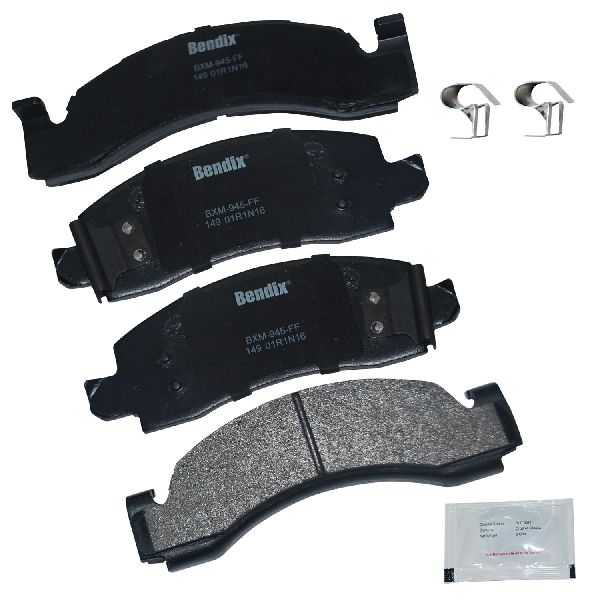
Original equipment (OEM) pads for a vehicle of this age can be hard to find and expensive. Fortunately, many aftermarket brands offer pads that meet or exceed the original specifications. The key is to match the pad to how you use your van.
Economy & Basic Use
For vans that see light duty, such as occasional use with minimal cargo. These pads are affordable but may wear faster under heavy loads.
- Brands: Pronto, Total Stopping Solutions, Dynamic Friction
- Best For: Light-duty work, budget-conscious repairs.
Daily Driver & OEM-Equivalent
This is the best category for most Express 3500 owners. These pads offer a great balance of performance, low noise, and durability for typical work van use.
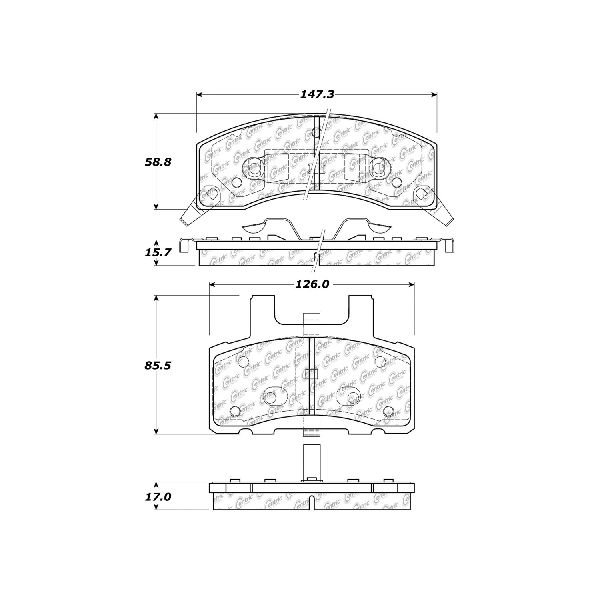
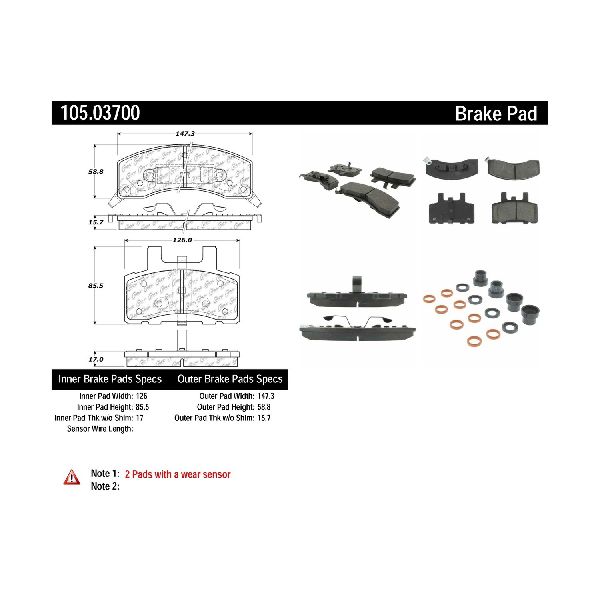
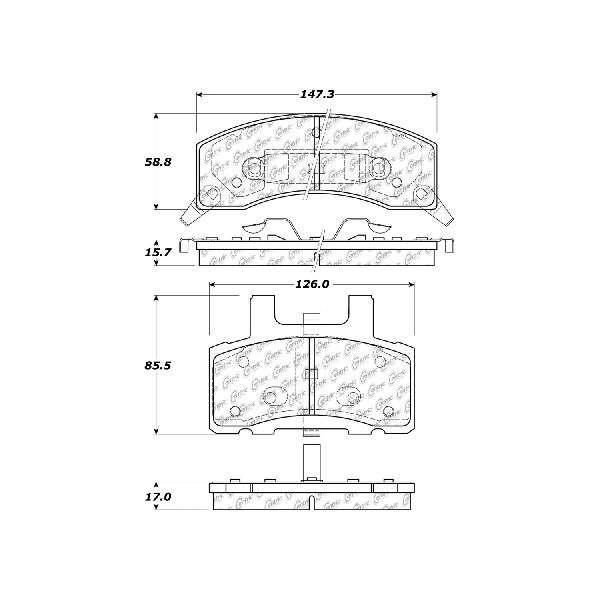
- Brands: ACDelco (Professional/Gold series), Bosch QuietCast, Wagner ThermoQuiet, Raybestos EHT, Centric.
- Best For: General commercial use, daily driving, moderate loads. Ceramic pads in this category offer low dust and quiet operation.
Severe-Duty & Performance
If you frequently tow, haul maximum-capacity loads, or drive in hilly areas, you need a pad that can handle extreme heat and stress. These semi-metallic or carbon-fiber ceramic pads provide superior stopping power but may create more dust and noise.
- Brands: Powerstop (Z36 Truck & Tow), EBC Brakes (Yellowstuff or Orange Stuff), Hawk Performance (LTS), Wagner (Severe Duty), Akebono (Severe Duty), Brembo.
- Best For: Towing, heavy hauling, fleet vehicles, and drivers wanting maximum braking performance.
| Part Tier | Estimated Price Range |
|---|---|
| Economy | $28 - $50 |
| Daily Driver / OEM-Equivalent | $50 - $120 |
| Severe-Duty / Performance | $120 - $250+ |
Pro Tip: When replacing brake pads, it is highly recommended to inspect your brake rotors. If they are worn, grooved, or below the minimum thickness specification, they should be replaced at the same time to ensure proper performance and safety. Also, lubricate the caliper slide pins to prevent sticking and uneven pad wear.
Frequently Asked Questions (FAQ)
What's the difference between ceramic and semi-metallic pads?
Ceramic pads are known for being quiet, producing very little brake dust, and being gentle on rotors. They are great for daily driving. Semi-metallic pads contain metal fibers that help dissipate heat better, providing stronger stopping power under heavy loads and reducing brake fade. They are ideal for trucks and vans used for towing or hauling but can be noisier and produce more dust.
Can I replace just the brake pads and not the rotors?
Yes, you can put new pads on old rotors, provided the rotors are in good condition (not warped, cracked, or worn below the minimum thickness). However, for the best performance and to ensure the new pads wear evenly, it's often best to resurface or replace the rotors at the same time.
Do I need special tools to change my brake pads?
For a 1996-2002 Express 3500, the job is straightforward for a DIY mechanic. You will need a good socket set, a C-clamp or caliper piston tool to compress the pistons, a torque wrench, and jack stands for safety. The front caliper bolts may require a large Allen key (e.g., 3/8-inch).
How often should I replace the brake pads on my Express 3500?
There is no set mileage. Brake pad life depends entirely on your driving style, the loads you carry, and the type of pad you use. A van used for light-duty work might go 50,000 miles or more, while a heavily loaded van in city traffic might need new pads every 20,000 miles. The best approach is to inspect your brakes regularly and replace the pads when you notice any of the warning signs.
Technical Specifications
Vehicle uses disc brakes on the front wheels and may have disc or drum brakes on the rear, depending on the specific configuration and year. This guide applies to disc brake pads. Pad material choice (ceramic, semi-metallic) is the most critical specification for performance.
We Have This Part in Stock

The information in this article is provided for general reference and educational purposes only. Vehicle specifications, procedures, and part compatibility can vary by production date, trim level, and region. Always consult your vehicle's factory service manual and verify part numbers before purchasing or performing repairs. Safety-critical components such as airbags, seat belts, and braking systems should be installed by a qualified professional.
- Chevrolet Express 3500: