

Horn Replacement Guide for the 1996-2002 Chevrolet Express 3500
Diagnosing and replacing a weak or non-working horn on your Express van is a straightforward job you can do yourself.
- Your van has two horns (high and low note); a weak sound means one has failed and you must identify which one to replace.
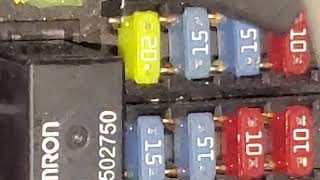
- Before buying parts, always check the 20A horn fuse and the horn relay in the engine bay fuse box first.
- A common problem on these older vans is dirty contacts in the steering wheel horn pad, which can often be cleaned to fix the issue.
- If the horn doesn't work and the airbag light is on, the clock spring has likely failed and needs immediate replacement for safety.
Is Your Express 3500 Horn Not Working?
A horn that doesn't work on your 1996-2002 Chevrolet Express 3500 is often a simple fix. The most common issues are not with the horn itself, but with the electrical parts that control it. Before you buy a new horn, it's important to do a little troubleshooting. Many owners find that the problem is simply a blown fuse, a bad relay, or dirty contacts in the steering wheel horn pad. For these older vans, grime can build up in the horn pad, preventing it from making a good connection. Sometimes, pressing the pad hard or wiggling it can make the horn work, which points to this being the issue.
Step 1: Check the Easy Stuff First
- Check the Fuse: In the engine compartment fuse box, find the 20-amp horn fuse. Pull it out and see if the metal strip inside is broken. This is the most common and easiest fix.
- Check the Relay: The horn relay is also in the engine bay fuse box. Have a helper press the horn while you listen for a 'click' from the relay. If it clicks, the relay and the steering wheel switch are likely working, and the problem is further down the line.
- Check the Horn Pad Contacts: A very common issue on these vans is dirty contacts inside the steering wheel. Over time, dirt prevents the electrical connection. Cleaning these four copper contacts with emery cloth can often restore function.
A Note on the Clock Spring
If your horn isn't working and your airbag warning light is on, the problem is likely a failed clock spring. This part is inside the steering column and maintains electrical connections for both the horn and the airbag. A failed clock spring is a critical safety issue that needs immediate attention.
Choosing the Right Aftermarket Horn
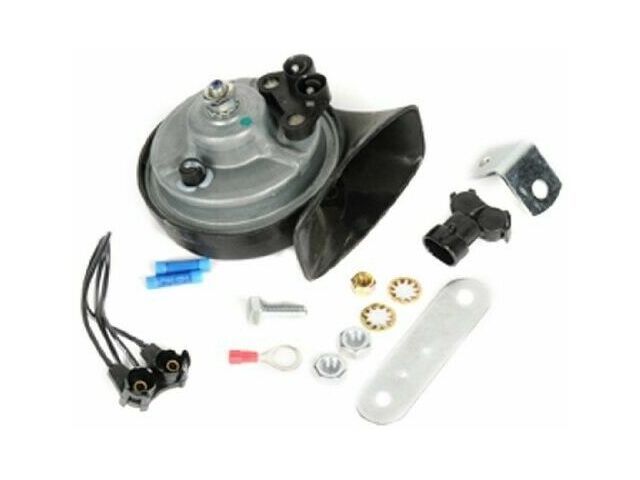
Your van has two horns: a high-note and a low-note. If your horn sounds weak or off-key, only one has likely failed. You'll need to identify which one is broken before ordering a replacement. Aftermarket horns are a cost-effective solution and are widely available.
- ACDelco: As a GM-backed brand, ACDelco parts are often considered the original equipment equivalent. They are designed to meet GM's specifications for fit and function. While sometimes more expensive, they are a reliable choice for a direct, quality replacement.
- Standard Ignition (SMP): Standard is a well-respected aftermarket brand that has been around for years. They produce a wide range of electrical components and are generally considered a quality alternative to OEM parts.
- Replacement: This brand typically offers a more budget-friendly option. While they can be a good value, quality can sometimes be inconsistent compared to more established brands. They are a good choice if cost is the primary concern.
Pro Tip: Before you replace the horn assembly, test it directly. Unplug the electrical connector from the horn and use a test light or multimeter to see if it's getting power when the horn button is pressed. If there is power, the horn itself has failed. If there is no power, the problem is in the wiring, relay, or switch.
| Part Type | Estimated Cost |
|---|---|
| New Aftermarket Horn | $35.59 - $95.34 |
| New OEM Horn | $48 - $90 |
| Shop Labor | $50 - $100 |
Frequently Asked Questions
Where are the horns located on my Express 3500?
The horns are located in the front of the engine compartment, usually behind the driver's side headlight assembly.
My horn sounds weak or funny. Do I need to replace both horns?
Not necessarily. Your van uses a high-note and a low-note horn. A weak or off-pitch sound usually means one of the two has failed. You only need to replace the one that is broken.
Is it hard to replace the horn myself?
No, replacing the horn is a simple job for most DIYers. It typically involves unplugging an electrical connector and removing a single bolt. The main challenge is accessing the horn, which is usually behind the headlight. The difficulty is rated 1 out of 5.
Could a bad fuse be the only problem?
Yes, absolutely. Always check the 20-amp horn fuse in the engine compartment fuse box before doing any other work. It's a common point of failure and the easiest fix.
Helpful Videos

Technical Specifications
OEM Part Numbers: 84594590 84594588
System Type: Dual-tone (High-note and Low-note) Fuse: 20-amp in engine compartment fuse box Relay: Located in engine compartment fuse box
We Have This Part in Stock


The information in this article is provided for general reference and educational purposes only. Vehicle specifications, procedures, and part compatibility can vary by production date, trim level, and region. Always consult your vehicle's factory service manual and verify part numbers before purchasing or performing repairs. Safety-critical components such as airbags, seat belts, and braking systems should be installed by a qualified professional.
- Chevrolet Express 3500: