

Engine Cylinder Head Temperature Sensor for 1996-2002 Ford E-250 Econoline
Understand this unique Ford sensor to keep your E-250's engine safe and running strong.
- This is a Cylinder Head Temperature (CHT) sensor, not a coolant sensor; it measures metal temperature directly.
- A failing sensor can trigger a 'limp-home' mode, drastically cutting engine power to prevent damage.
- Replacement requires removing the alternator on most V8 models and needs a special deep 19mm socket.
- Stick with reputable aftermarket brands like Standard Ignition or Walker Products for this critical part.
Understanding the CHT Sensor on Your Ford Van
The Engine Cylinder Head Temperature (CHT) sensor in your 1996-2002 Ford E-250 Econoline is not a standard temperature sensor. Many Ford engines from this era, including the common 4.2L V6 and 5.4L V8, use this system. It measures the temperature of the engine's metal directly. This is a more direct way to know if the engine is getting too hot, especially if there's a sudden loss of coolant.
If the CHT sensor detects a dangerously high temperature, it triggers a fail-safe or "limp-home" mode. The PCM will begin shutting off fuel injectors to half of the engine's cylinders, alternating between them. This allows air to be pumped through the non-firing cylinders to help cool them down. You will notice a severe loss of power, but this feature is designed to let you drive a short distance to get to safety, hopefully preventing a cracked cylinder head or other major engine damage.
Symptoms of a Failing CHT Sensor
A bad CHT sensor can cause a range of issues, from annoying to critical. Being aware of the signs can help you diagnose the problem before it gets worse.
- Check Engine Light: This is often the first and most obvious sign. The PCM will log a fault code when it detects a problem with the CHT sensor's signal.
- Engine Overheating or Erratic Gauge: Since the sensor controls the cooling fans and the temperature gauge, a bad sensor can cause the engine to overheat or the gauge to behave erratically.
- Poor Engine Performance: A faulty sensor can send incorrect data to the PCM, leading to decreased power, poor acceleration, and reduced fuel economy.
- Hard Starting: The engine might take longer to crank before it starts, as the PCM isn't getting an accurate temperature reading for the proper fuel mixture.
- Limp Mode Activation: In severe cases, a faulty sensor can trick the PCM into thinking the engine is overheating, activating the fail-safe cooling mode unnecessarily.
OEM vs. Aftermarket Quality
For a critical sensor like the CHT, quality is important. The original Motorcraft sensor is the benchmark. However, top-tier aftermarket brands like Standard Ignition and Walker Products are well-regarded and manufacture sensors to meet or exceed OE specifications. Cheaper, lesser-known brands can be a gamble; some owner reviews mention inaccurate readings from budget parts, which could compromise the engine's fail-safe system. Given the low cost of even premium aftermarket options, it's wise to stick with a reputable brand.
Choosing the Right Aftermarket CHT Sensor
When shopping for a replacement, you'll find several brands available. Here’s a general breakdown:
- Premium Aftermarket (Standard Ignition, Walker Products): These brands have a long history in engine management parts and are generally trusted by professional mechanics. They engineer their parts to match OE fit, form, and function.
- Standard Aftermarket (Holstein, Motorad): These brands offer a balance of quality and price and are a viable option for many owners.
- Economy Brands (Global Parts, Skyward): While the price is attractive, the quality and longevity can be inconsistent. For a sensor this critical to engine protection, it's often worth spending a few extra dollars on a more established brand.
| Part Type | Price Range |
|---|---|
| New OEM (Motorcraft) | $45 - $70 |
| New Aftermarket | $14.84 - $38.89 |
| Shop Labor for Installation | $100 - $200 |
Pro-Tip: Installation
On the 5.4L V8, the CHT sensor is located in the valley of the engine, under the intake manifold. Accessing it requires removing the alternator. While not overly complex, it can be time-consuming for a first-timer. The sensor itself requires a deep 19mm socket for removal and installation due to its long connector. Because it threads into a dry part of the head, you do not need to drain the engine coolant for this repair.
Frequently Asked Questions (FAQ)
Is a CHT sensor the same as an Engine Coolant Temperature (ECT) sensor?
No. While they serve a similar purpose, a CHT measures the temperature of the cylinder head's metal, while an ECT sensor measures the temperature of the engine coolant. Your Ford E-250 uses a CHT sensor for its primary engine temperature reading and fail-safe strategy.
Can I replace the CHT sensor myself?
Yes, this is a DIY-feasible job for someone with moderate mechanical skill. The main challenge is accessing the sensor, which typically involves removing the alternator. You will need basic hand tools and a specific deep socket. Always disconnect the battery before starting work.
What happens if I ignore a bad CHT sensor?
Ignoring a faulty CHT sensor is risky. It could leave your engine without its primary defense against overheating, potentially leading to a cracked cylinder head or other severe damage. It can also cause persistent poor performance and fuel economy.
Are there any recalls for the CHT sensor on my van?
There are no specific recalls for the CHT sensor itself on the 1996-2002 Ford E-250 Econoline. However, Ford has issued recalls on other models for issues related to cylinder head overheating and the fail-safe cooling strategy, underscoring the importance of this system.
Technical Specifications
OEM Part Numbers: XL3Z-6G004-AA 9U2Z-12A648-A
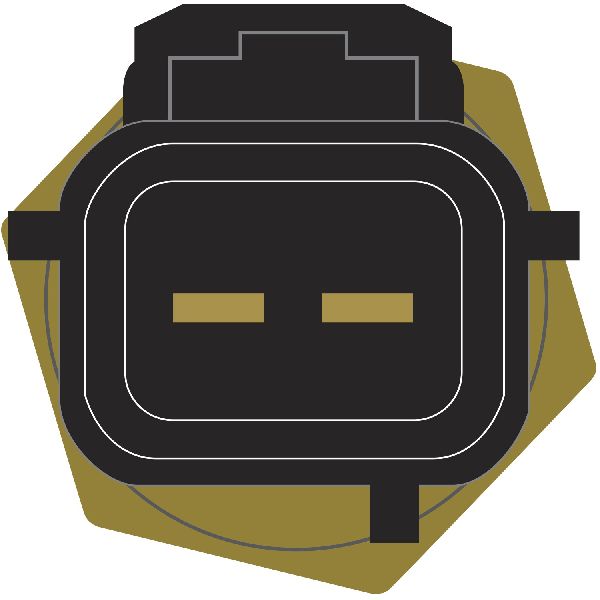
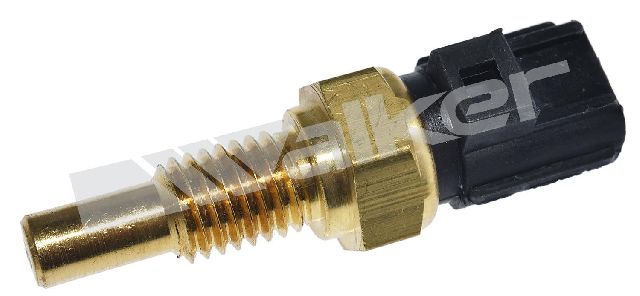
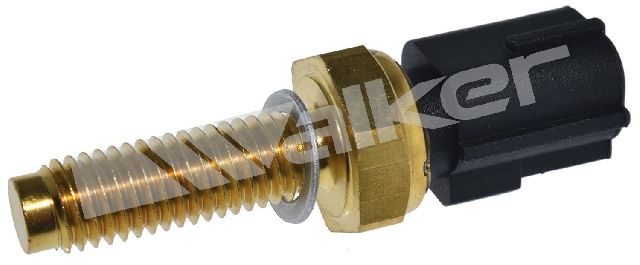
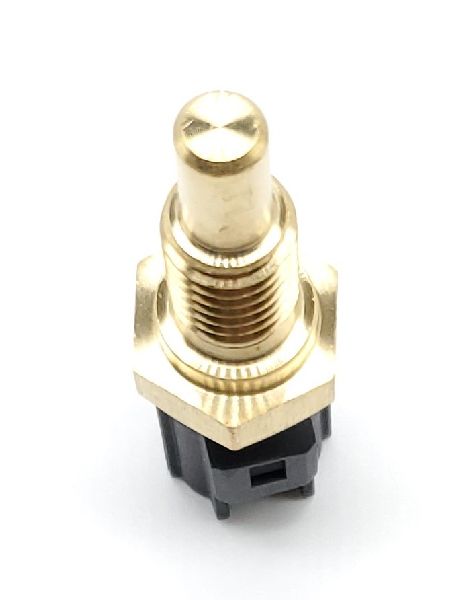
This is a 2-pin thermistor-type sensor that threads into the cylinder head, typically under the intake manifold. It requires a 19mm deep socket for installation.
We Have This Part in Stock


The information in this article is provided for general reference and educational purposes only. Vehicle specifications, procedures, and part compatibility can vary by production date, trim level, and region. Always consult your vehicle's factory service manual and verify part numbers before purchasing or performing repairs. Safety-critical components such as airbags, seat belts, and braking systems should be installed by a qualified professional.
- Ford E-250 Econoline: