

Ford Explorer Engine Coolant Bypass Hose Guide (1996-2002)
A small leak in this hose can lead to big engine problems. Here’s what you need to know before you buy a replacement.
- A failing bypass hose can cause critical engine overheating; address leaks immediately.
- For 4.0L SOHC engines, inspect the plastic thermostat housing for cracks and consider replacing it with a metal version during the repair.
- High-quality aftermarket brands like Gates and Dayco are reliable and cost-effective alternatives to OEM.
- While replacing the bypass hose, inspect all other coolant hoses and consider replacing them at the same time to prevent future leaks.
Is Your Explorer's Bypass Hose Failing?
Coolant hoses are made of rubber and break down over time from heat and pressure. A failure in the bypass hose can be hard to spot at first but can lead to serious engine overheating. Look for these common signs:
- Sweet Smell: A distinct sweet odor from the engine bay is often the first sign of a coolant leak. This happens when coolant drips onto a hot engine part and burns off.
- Puddles or Drips: You might see small puddles of green or gold fluid under the front of your truck. Leaks often start slowly where the hose connects to the engine. 🎬 See how to identify a leak at the thermostat housing.
- Low Coolant Level: If you have to add coolant to the reservoir frequently, you likely have a leak somewhere in the system. A cracked bypass hose can cause a slow leak that's hard to see.
- Visible Hose Damage: When the engine is cool, inspect the hoses. A failing bypass hose may look swollen, feel spongy or mushy, or have visible cracks and splits, especially near the clamps.
- Engine Overheating: If your temperature gauge starts climbing into the red, a significant coolant leak from a failed hose could be the cause. This is a critical symptom that requires immediate attention to prevent permanent engine damage.
A Critical Weak Point on 4.0L SOHC Engines
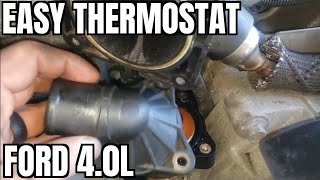
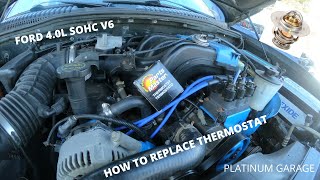
If your Explorer has the 4.0L SOHC V6 engine, be aware of the plastic thermostat housing. These are famous for cracking and leaking over time. If you are replacing any coolant hoses, it is strongly recommended that you inspect this housing. Many owners and mechanics choose to replace the original plastic part with a more durable cast aluminum aftermarket version 🎬 Watch this step-by-step guide to replacing your thermostat housing. at the same time to prevent a future breakdown.
Choosing the Right Aftermarket Bypass Hose
For a part like a coolant hose, you don't necessarily need to pay extra for a dealership part. High-quality aftermarket brands offer excellent reliability and fit. Here’s a breakdown of the available brands:
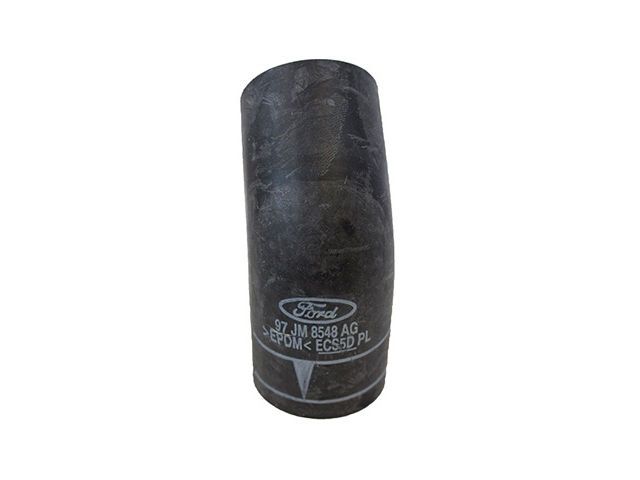
- Motorcraft (OEM): This is the original Ford part. It offers a guaranteed fit and quality, but is usually the most expensive option.
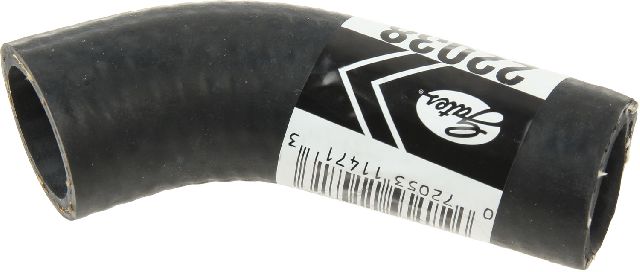
- Gates & Dayco (Premium Aftermarket): Both Gates and Dayco are highly respected manufacturers that supply parts to automakers. They are considered top-tier aftermarket choices, offering quality and durability that is often equal to or better than the original part. You can be confident choosing either brand.
- ACDelco (Standard Aftermarket): While a well-known brand, ACDelco is the parts division for General Motors. For a Ford vehicle, this part is sourced from another manufacturer. It is a reliable option, but Gates and Dayco are generally preferred by Ford specialists for cooling system components.
Pro Tip: While you're replacing the bypass hose, it's a good idea to inspect all other coolant hoses, including the main upper and lower radiator hoses. If they are the same age as the failing hose, replacing them all at once can save you from another repair down the road. Also, consider replacing the old spring clamps with new worm-gear style clamps for a secure seal.
Frequently Asked Questions
Can I drive my Explorer with a leaking bypass hose?
It is not recommended. A small leak can turn into a major failure without warning, causing a rapid loss of coolant and leading to severe engine overheating. This can result in catastrophic damage like a blown head gasket or cracked cylinder head. It's best to get the vehicle repaired as soon as possible.
How difficult is it to replace the bypass hose myself?
For a DIYer with basic tools, this is a manageable job. The difficulty is typically low. The main steps involve draining some coolant, using pliers to remove the hose clamps, swapping the hose, and then refilling and bleeding the air from the cooling system. 🎬 Watch: How to replace the thermostat and refill the system. Accessing the clamps can sometimes be tricky depending on the engine configuration. Hose clamp pliers can make the job much easier.
What type of coolant should I use for my 1996-2002 Explorer?
This generation of Ford Explorer typically requires a gold-colored, long-life coolant meeting Ford's specifications. Always check your owner's manual or the coolant bottle to ensure it is compatible. Using the wrong type of coolant can cause corrosion and damage to your cooling system components.
Are there any recalls on the cooling system for this Explorer?
There are no specific recalls for the engine coolant bypass hose. However, a notable recall (NHTSA 09V399000) was issued for 1995-2002 Explorers for a faulty speed control deactivation switch that could leak and potentially cause a fire. While unrelated to the hose, it's a critical safety check for any owner of this vehicle.
Helpful Videos
Technical Specifications
OEM Part Numbers: 1L2Z-18472-BD F65E-8A582-AO
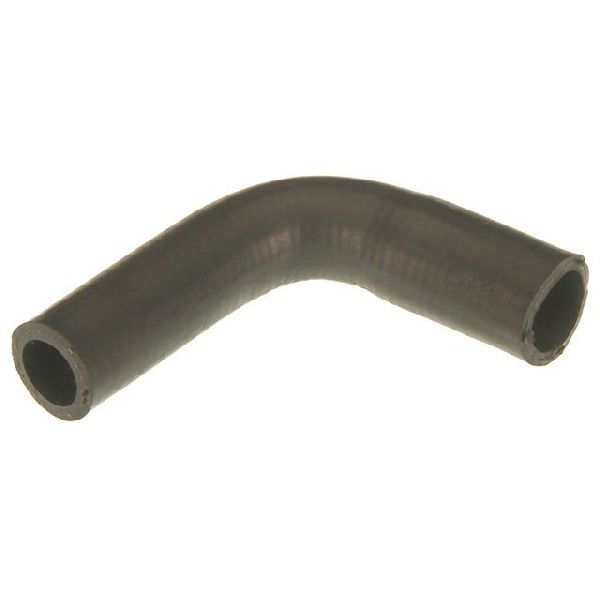
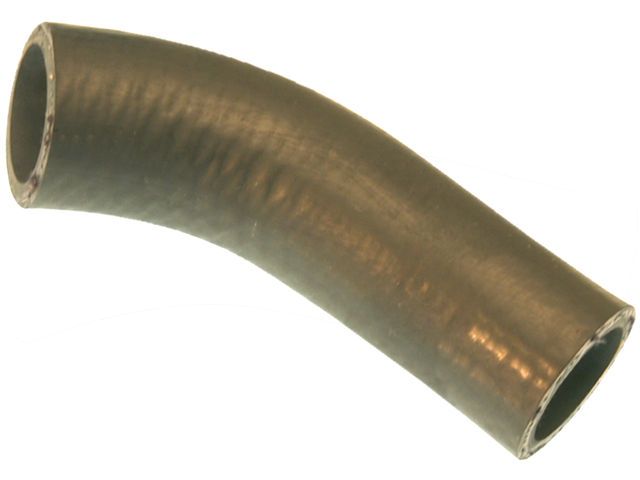
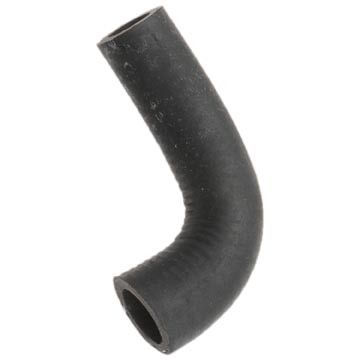
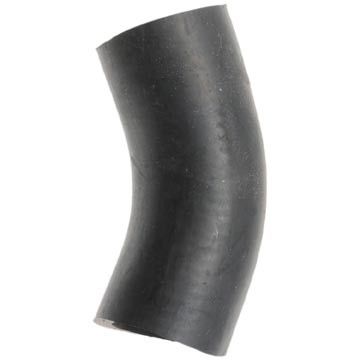
This is a molded rubber hose, specific to your Explorer's engine (4.0L OHV, 4.0L SOHC, or 5.0L V8). Ensure you select the correct part for your vehicle's configuration as fitment varies.
We Have This Part in Stock

The information in this article is provided for general reference and educational purposes only. Vehicle specifications, procedures, and part compatibility can vary by production date, trim level, and region. Always consult your vehicle's factory service manual and verify part numbers before purchasing or performing repairs. Safety-critical components such as airbags, seat belts, and braking systems should be installed by a qualified professional.
- Ford Explorer: