

A Ford Explorer Owner's Guide to Radiator Replacement (1996-2002)
Learn to spot the signs of a failing radiator in your second-generation Explorer and choose the right replacement part.
- Before buying a radiator, check for leaks from the plastic thermostat housing on 4.0L SOHC V6 engines, a very common failure point.
- Standard aftermarket brands like Spectra offer a reliable and cost-effective replacement for a daily-driven Explorer.
- For maximum durability, consider an all-aluminum radiator from a brand like Mishimoto to eliminate the common plastic tank failure.
- Always replace the radiator cap, thermostat, and consider replacing hoses at the same time for a complete cooling system refresh.
Is Your Explorer's Radiator Failing?
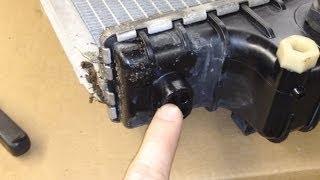
For 1996-2002 Ford Explorers, the original radiators generally have a long life but are known to fail in a specific way. The core is made of aluminum, but the tanks on the sides are plastic. Over many years of heating up and cooling down, this plastic can become brittle and crack, causing coolant leaks. This is the most common reason for replacement.
Key Symptoms of a Bad Radiator:
- Engine Overheating: The most serious sign. If your temperature gauge is in the red, pull over immediately to prevent engine damage.
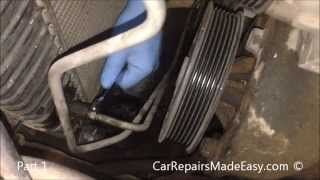
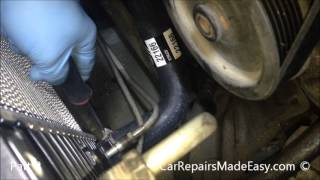
- Coolant Leaks: Finding puddles of green or orange fluid under the front of your truck is a clear sign of a leak. The leak often occurs where the plastic side tanks are crimped to the metal core. 🎬 Watch this quick tip on identifying common radiator leak points.
- Low Coolant Light: Constantly needing to add coolant to the overflow tank means you have a leak somewhere in the system.
- Visible Damage or Corrosion: You may see white or rusty stains on the radiator itself, indicating a slow leak. Bent fins or corrosion can also reduce cooling efficiency.
Before You Blame the Radiator...
The 1996-2002 Explorer has other common cooling system issues that can mimic a bad radiator. Always check these first:
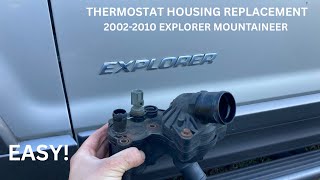
- 4.0L SOHC V6 Engine: These engines are famous for their plastic thermostat housings cracking and leaking coolant. This is a very common failure point and can cause significant coolant loss and overheating. It's highly recommended to replace the entire housing (upgraded metal versions are available) 🎬 See how to replace a cracked V6 thermostat housing. when you service the cooling system.
- 5.0L V8 Engine: Some V8 models can develop coolant leaks from a cracked plastic intake manifold or a failing timing cover gasket. These leaks can be harder to spot and may drip down, appearing to come from lower on the engine.
Choosing the Right Aftermarket Radiator
You don't need to buy an expensive OEM part from the dealer. Quality aftermarket radiators offer excellent performance and value for this generation of Explorer. They are typically grouped into a few tiers.
Standard Replacement (Good)
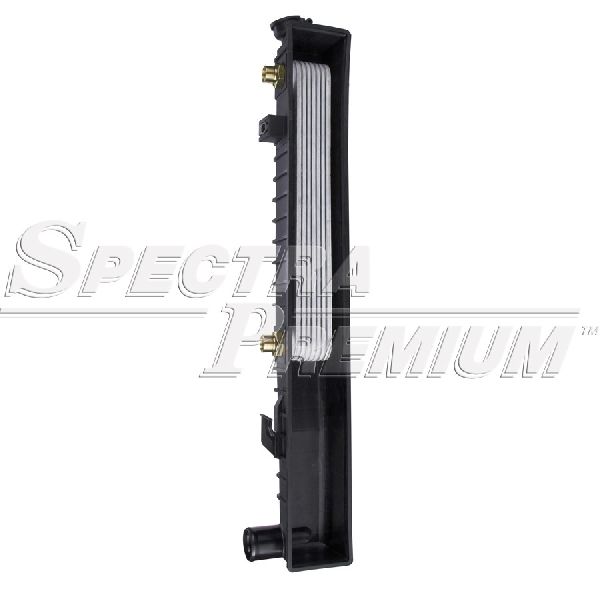
These brands offer direct, OEM-style replacements with a plastic/aluminum construction. They are the most popular choice for daily drivers and provide reliable performance for a reasonable price. Brands like Spectra, APDI, and Denso fall into this category. Forum users and mechanics consider Spectra a solid, budget-friendly choice that fits well in most cases.
Premium Replacement (Better)
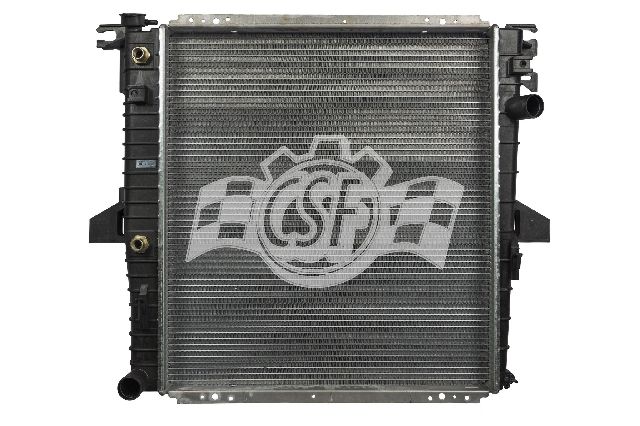
For those who want a bit more durability or peace of mind, premium brands like CSF Radiator and Koyorad are excellent options. They are known for robust construction and high-quality materials while still following the original plastic/aluminum design. These are a great choice if you plan on keeping your Explorer for a long time or use it for light towing.
All-Aluminum Performance (Best)
If you want to eliminate the original failure point (cracking plastic tanks) entirely, an all-aluminum radiator is the ultimate upgrade. Brands like Mishimoto specialize in these. The tanks are welded directly to the core, creating a much stronger and more durable unit that can handle more heat and pressure. This is a great option for modified Explorers, heavy towing, or anyone who wants the most reliable cooling system possible.
Cost of Replacing Your Explorer's Radiator
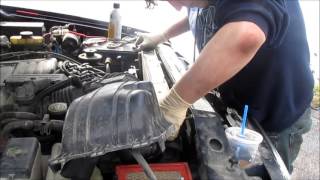
The cost can vary depending on the brand you choose and whether you do the work yourself 🎬 Watch: This DIY guide shows you how to replace the radiator. or hire a professional.
| Part/Service | Estimated Cost |
|---|---|
| New Aftermarket Radiator | $75 - $430 |
| Shop Labor | $200 - $400 |
| Total Professional Replacement | $275 - $830+ |
Frequently Asked Questions
Do I need a different radiator for the V6 vs. the V8?
Yes. The V6 and V8 engines have different cooling needs and the radiators have different dimensions and hose connection points. Always ensure you are ordering the correct part for your specific engine (4.0L OHV, 4.0L SOHC, or 5.0L V8).
Can I reuse my old radiator cap?
It is strongly recommended to use a new radiator cap. The cap is a critical part that holds pressure in the system. An old, weak cap can lower the boiling point of your coolant and lead to overheating.
What kind of coolant should I use in my 1996-2002 Explorer?
These Explorers originally used a conventional green coolant. When you replace the radiator and flush the system, you can refill with a modern universal yellow or orange extended-life coolant that is compatible with older vehicles. Always use distilled water to mix with concentrated coolant to prevent mineral buildup.
Is an all-aluminum radiator worth the extra cost?
For most daily driving, a quality plastic/aluminum radiator is perfectly adequate. However, if you live in a very hot climate, do a lot of towing, or simply want the most durable long-term solution, an all-aluminum radiator is a worthwhile investment that prevents the common plastic tank failure.
Helpful Videos
Technical Specifications
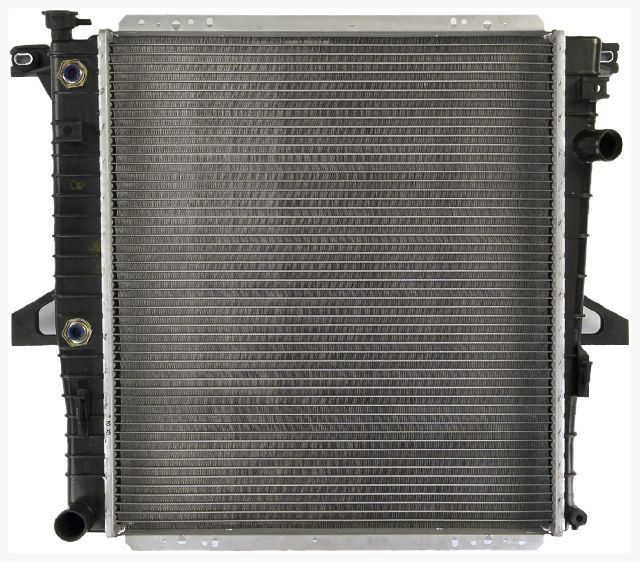
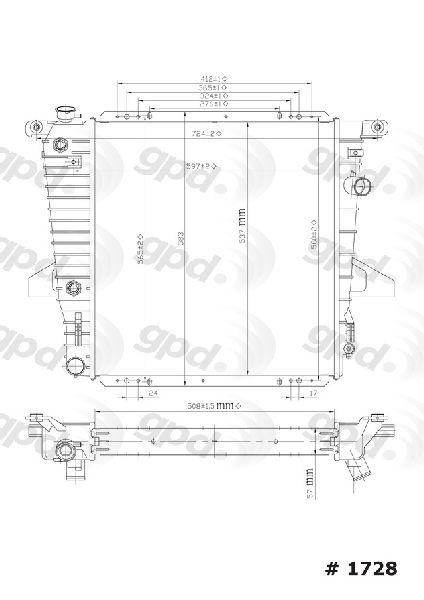
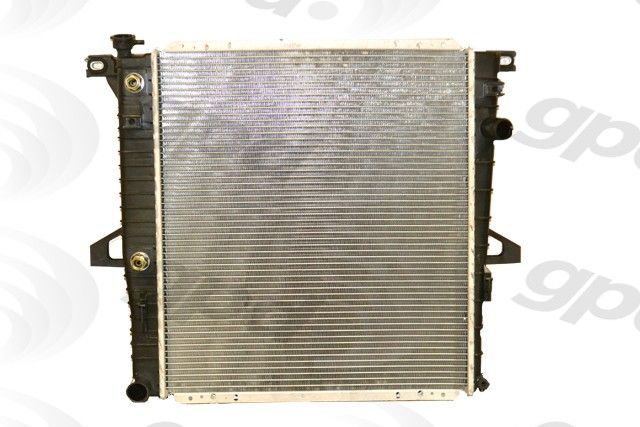
Core Material: Aluminum, Tank Material: Plastic. Configuration varies by engine (4.0L OHV, 4.0L SOHC, 5.0L V8) and transmission type.
We Have This Part in Stock


The information in this article is provided for general reference and educational purposes only. Vehicle specifications, procedures, and part compatibility can vary by production date, trim level, and region. Always consult your vehicle's factory service manual and verify part numbers before purchasing or performing repairs. Safety-critical components such as airbags, seat belts, and braking systems should be installed by a qualified professional.
- Ford Explorer:
- 🎬 Helpful Videos
- 🛍️ Shop This Part
- Is Your Explorer's Radiator Failing?
- Key Symptoms of a Bad Radiator:
- Before You Blame the Radiator...
- Choosing the Right Aftermarket Radiator
- Standard Replacement (Good)
- Premium Replacement (Better)
- All-Aluminum Performance (Best)
- Cost of Replacing Your Explorer's Radiator
- Frequently Asked Questions
- 🎟️ Get 5% Off