

Ford Explorer Radiator Coolant Hose Guide: 1996-2002
Prevent engine overheating in your second-generation Explorer by learning how to spot a bad radiator hose and choose the right replacement.
- A failing radiator hose can cause severe engine damage from overheating.
- Always replace hoses in pairs (upper and lower) and use new clamps.
- For the 1996-2002 Explorer, quality aftermarket molded hoses from brands like Gates or Continental offer reliable performance.
- This is a very feasible DIY job for a home mechanic with basic tools, which can save hundreds in labor costs.
Signs of a Failing Radiator Hose
The rubber hoses in your Explorer's engine bay endure constant heat and pressure. Over time, they will wear out. It's important to inspect them regularly and replace them at the first sign of trouble to avoid a sudden failure that could leave you stranded and cause engine damage. Look for these warning signs:
- Coolant Leaks: Puddles of green or yellow fluid under the front of your Explorer are a dead giveaway. Check the hose ends and connections for drips or dried, crusty coolant residue.
- Visible Damage: Look for cracks, splits, or abrasions on the hose surface. Pay close attention to areas where the hose bends or might rub against other components.
- Bulging or Swelling: If a hose looks swollen or puffy, it's a sign the internal structure is failing. This hose is at high risk of bursting and should be replaced immediately.
- Spongy or Hard Hoses: When the engine is cool, squeeze the hoses. A healthy hose should feel firm but pliable. If it feels rock-hard, brittle, or mushy and soft, it's time for a replacement.
- Engine Overheating: A leaking or collapsed hose can't supply enough coolant, causing your engine's temperature gauge to climb into the red.
Critical Warning
A burst radiator hose will cause a rapid loss of coolant, leading to quick engine overheating. If you see steam coming from under the hood, pull over immediately and shut off the engine to prevent catastrophic damage.
Choosing the Right Aftermarket Hose
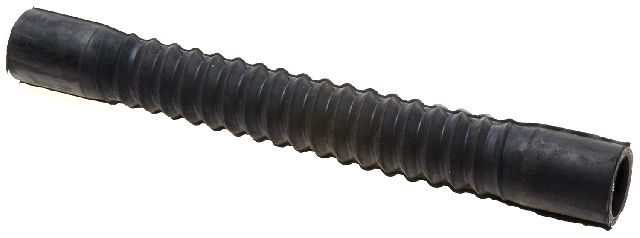
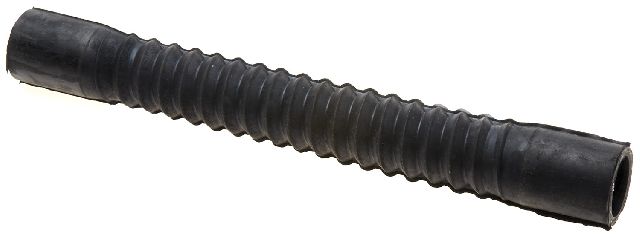
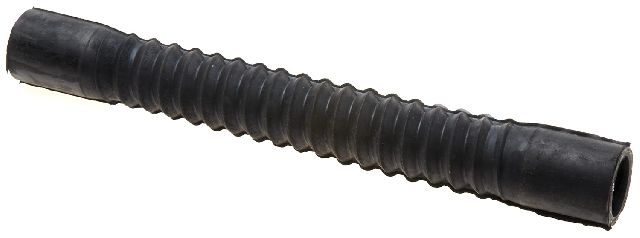
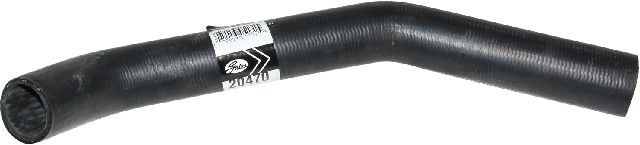
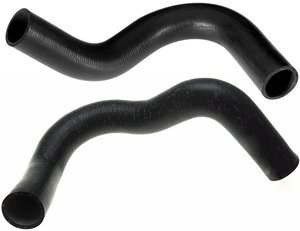
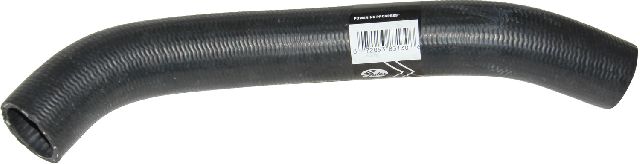
For a 1996-2002 Explorer, aftermarket radiator hoses from reputable brands offer quality that is often equivalent to the original OEM parts for a fraction of the price. The key is to buy a "molded" hose, which is pre-shaped to fit your specific engine (V6 OHV, V6 SOHC, or V8) perfectly. Avoid universal or "flex" hoses, as they may not fit correctly and can kink, restricting coolant flow.
Here's a breakdown of the common, reliable brands available:
- Gates: Often considered a top-tier aftermarket brand, Gates hoses are known for their excellent fitment and durability. They are engineered to resist electrochemical degradation, which is a primary cause of hose failure from the inside out.
- Continental: Another premium brand, Continental (sometimes branded as ContiTech) produces high-quality hoses that meet or exceed OEM specifications. They are a solid choice for any Explorer owner.
- Dayco: Dayco is a well-known and reliable budget-friendly option. While some mechanics have noted occasional fitment issues compared to Gates, they are generally considered a good quality replacement part.
Pro Tip: Replace in Pairs
Your radiator hoses are exposed to the same conditions and are the same age. If one hose has failed, the other is likely not far behind. It's smart, preventative maintenance to replace both the upper and lower hoses at the same time. Also, always replace the hose clamps with new ones; old clamps can lose their tension and cause leaks.
Radiator Hose Replacement Cost (1996-2002 Ford Explorer)
| Item | Cost Range |
|---|---|
| New Aftermarket Hoses (DIY) | $20.81 - $75.15 |
| New OEM Hoses (Parts Only) | $80 - $150 |
| Shop Labor Cost | $162 - $237 |
| Total Professional Replacement | $350 - $643 (including parts, labor, and coolant) |
Frequently Asked Questions
Do I need special tools to replace my Explorer's radiator hoses?
Basic hand tools like a screwdriver or socket set for the clamps and a pair of pliers are usually sufficient. A dedicated hose clamp plier can make removing the original spring-style clamps much easier. You will also need a drain pan to catch the old coolant.
Should I replace my thermostat at the same time?
Yes, it's a great idea. Replacing the upper radiator hose gives you easy access to the thermostat housing. Since you'll have the cooling system drained anyway, replacing the thermostat is a cheap and easy piece of preventative maintenance.
What kind of coolant should I use for my 1996-2002 Explorer?
Your Explorer originally used a conventional green or yellow coolant. Always check your owner's manual, but a universal yellow/green coolant that is compatible with older vehicles is generally a safe choice. Make sure to properly mix it with distilled water according to the directions on the bottle.
Were there any recalls for the 1996-2002 Explorer's cooling system?
Searches of the NHTSA database did not show any recalls specifically for radiator coolant hoses on the 1996-2002 Ford Explorer. There were recalls for other issues on these model years, but none directly related to hose failure.
Technical Specifications
OEM Part Numbers: F67Z8260GA 1L2Z-8286-AA
Hoses are made from EPDM rubber to resist heat, ozone, and chemical degradation. Molded hoses are required for proper fitment on V6 and V8 engines.
We Have This Part in Stock

The information in this article is provided for general reference and educational purposes only. Vehicle specifications, procedures, and part compatibility can vary by production date, trim level, and region. Always consult your vehicle's factory service manual and verify part numbers before purchasing or performing repairs. Safety-critical components such as airbags, seat belts, and braking systems should be installed by a qualified professional.
- Ford Explorer: