

A Guide to Replacing the Starter on Your 1996-2002 Toyota 4Runner
Understand the symptoms of a failing starter and learn how to choose the right new aftermarket replacement.
- A single 'click' with no crank is the most common symptom of starter failure on this 4Runner.
- Consider replacing the internal starter contacts first; it's a common, low-cost fix for this model.
- Denso is the original equipment manufacturer and is a highly recommended brand for replacement.
- The starter is accessed through the passenger-side wheel well, which requires removing the wheel and a splash guard.
Is Your 4Runner's Starter Failing?

A bad starter can leave you stranded. For the 1996-2002 4Runner, the signs are usually clear. Don't ignore them, as a complete failure means the truck won't start at all.
Common Symptoms:
- Single Loud Click: You turn the key, and instead of the engine cranking, you hear one loud "CLICK" from the engine bay. This often means the starter solenoid is engaging, but the motor isn't turning.
- No Sound at All: If you turn the key and nothing happens, but your lights and radio work, the problem could be the starter. Always check the battery first, as a completely dead battery will also cause this.
- Slow Engine Crank: If the engine turns over much slower than usual, it can be a sign of a weak starter motor drawing too much power. This can also be caused by a weak battery, so it's important to test the battery first.
- Grinding Noise: A grinding sound during or after starting can indicate the starter gear is not meshing properly with the flywheel or is not retracting correctly.
A Common Point of Failure: Starter Contacts
A very common issue on this generation of 4Runner is not the entire starter motor failing, but just the copper contacts inside the solenoid. These contacts wear down over time, preventing electricity from reaching the starter motor, which results in the classic "single click" symptom. Replacing just the contacts is a much cheaper repair than replacing the whole starter, and many owners consider it a good first step.
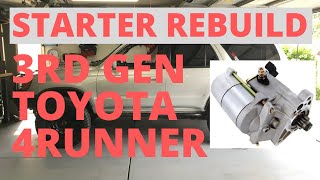
🎬 See how to rebuild your starter by replacing the contacts.Choosing a New Aftermarket Starter

When replacing your starter, you'll find many aftermarket brands available. Denso is the Original Equipment Manufacturer (OEM) for Toyota, meaning they made the part that was installed at the factory. Aftermarket parts are made by other companies and often provide a good balance of quality and price.
Brand Quality Tiers
Not all aftermarket brands are created equal. Here’s a general breakdown based on owner experiences and brand reputation:
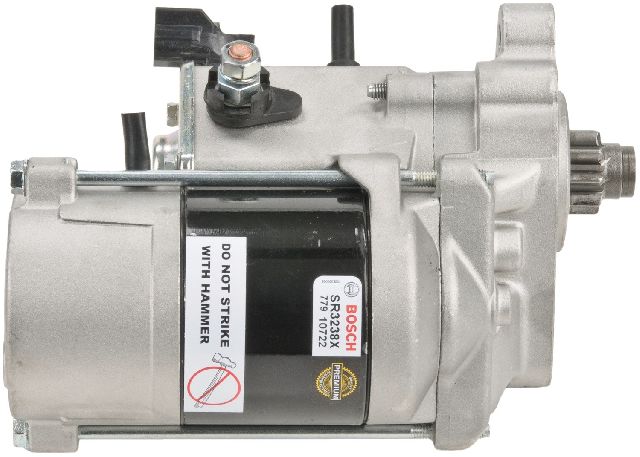
- Premium Aftermarket (Highest Quality & Price): Brands like Denso (new, not remanufactured) and Bosch are top-tier choices. Denso is the OEM supplier, so a new Denso starter is a safe bet for factory-level quality and longevity. Bosch also has a strong reputation for quality electrical components.
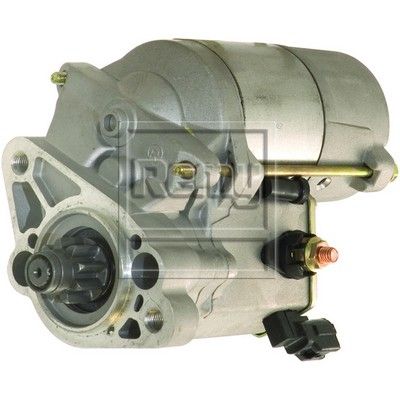
- Quality Aftermarket (Good Balance): Brands like Remy and WAI Global fall into this category. They are generally considered reliable and offer a good value. Some users have had positive, long-term experiences with these brands.
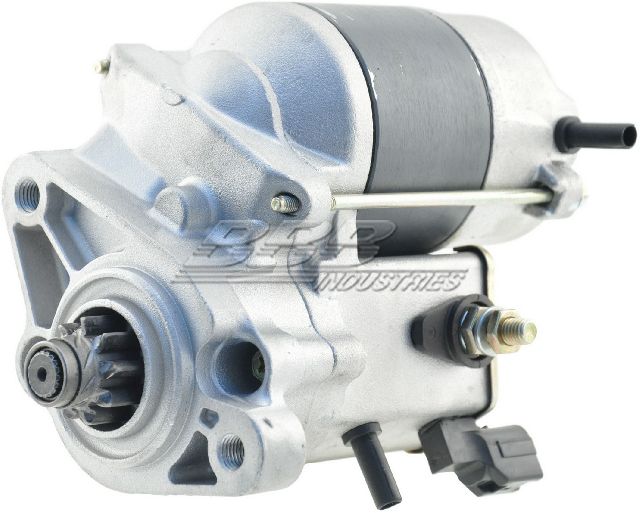
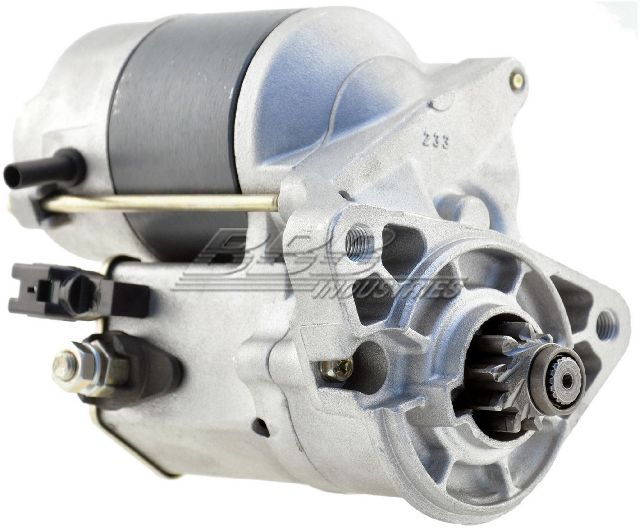
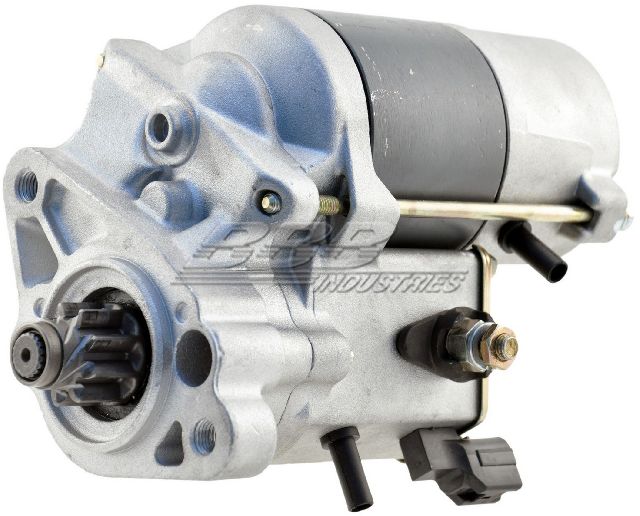
- Standard/Economy Aftermarket (Budget-Friendly): Brands like BBB Industries and Skyward offer a lower price point. While they can be a good budget option, their long-term reliability can be less consistent compared to premium brands.
Cost of Replacing a 1996-2002 4Runner Starter
The cost can vary depending on the part you choose and whether you do the work yourself or hire a professional mechanic.
| Part Type | Estimated Part Cost |
|---|---|
| New Aftermarket | $103.71 - $232.35 |
| Remanufactured OEM (Denso) | $160 - $250 |
| Shop Labor | $195 - $286 |
| Total Professional Job | $418 - $597 |
Frequently Asked Questions (FAQ)

Is it my battery or my starter?
A simple test can often tell you. If you turn the key and hear a rapid clicking sound, your battery is likely too weak to turn the starter. If you hear a single, solid click or no noise at all, but your headlights are bright, the starter is the more likely culprit. 🎬 Watch what happens when a 4Runner starter fails intermittently. Most auto parts stores offer free battery testing.
Where is the starter located on the 1996-2002 4Runner?
The starter is located on the passenger side of the engine, toward the back, underneath the exhaust manifold. It is most easily accessed by removing the front passenger-side wheel and an access panel in the wheel well.
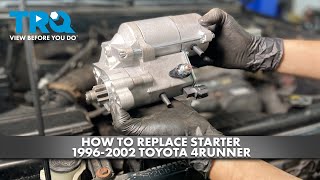
🎬 Watch this step-by-step guide on removing and installing the starter.Can I just replace the starter contacts?
Yes. For this specific 4Runner, worn starter contacts are a very common problem that causes a "click-no-start" symptom. Replacing the contacts and plunger is much cheaper than a new starter. However, it requires removing the starter from the vehicle to perform the repair, so the labor is the same.
Are there any recalls for the starter on this 4Runner?
No, searches of the National Highway Traffic Safety Administration (NHTSA) database and other sources did not find any recalls or common Technical Service Bulletins (TSBs) for the starter motor on the 1996-2002 Toyota 4Runner.
Helpful Videos
Technical Specifications
OEM Part Numbers: 28100-62050 28100-62050-84
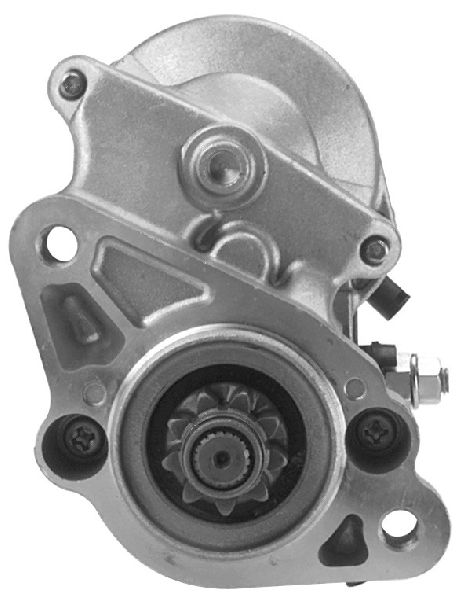
Voltage: 12V, Power: 1.4 kW or 1.8 kW, Rotation: Clockwise, Teeth: 9. The 3.4L V6 models typically use a gear reduction starter.
We Have This Part in Stock

The information in this article is provided for general reference and educational purposes only. Vehicle specifications, procedures, and part compatibility can vary by production date, trim level, and region. Always consult your vehicle's factory service manual and verify part numbers before purchasing or performing repairs. Safety-critical components such as airbags, seat belts, and braking systems should be installed by a qualified professional.
- Toyota 4Runner: