

Toyota 4Runner Vehicle Speed Sensor Guide (1996-2002)
Fix your erratic speedometer and rough shifting by understanding how to choose the right Vehicle Speed Sensor for your 3rd Gen 4Runner.
- A dead speedometer, erratic shifting, and a P0500 code are the classic signs of a failed VSS on a 3rd Gen 4Runner.
- Replacement is a simple, DIY-friendly job requiring only basic tools and about 30 minutes.
- The VSS is located on the transmission/transfer case, not at the wheels like an ABS sensor.
- For best results, choose an OEM or a reputable premium aftermarket brand like Delphi or Standard Ignition to ensure long-term reliability.
Is Your 4Runner's Speedometer Acting Up?

If you own a 3rd generation (1996-2002) Toyota 4Runner, a faulty Vehicle Speed Sensor (VSS) is a common issue that can cause a confusing set of problems. The speedometer might stop working, your automatic transmission may start shifting harshly or at the wrong times, and your check engine light will likely come on. These symptoms point directly to a problem with the VSS sending reliable speed data to the truck's computers. Fortunately, replacing it is a straightforward job, and choosing the right aftermarket part can save you money without sacrificing reliability.
Symptoms of a Failing Vehicle Speed Sensor

A bad VSS will make itself known with very specific symptoms. Here’s what to watch for:
- Erratic or Dead Speedometer: The needle may jump around, read an incorrect speed, or drop to zero while you're driving. The odometer may also stop working.
- Harsh or Incorrect Shifting: The automatic transmission relies on the VSS to know when to shift. A bad signal can cause delayed, hard shifts or cause the transmission to hunt for the right gear.
- Check Engine Light: A faulty VSS will almost always trigger a Check Engine Light with the diagnostic trouble code P0500.
- Cruise Control Not Working: The cruise control system needs to know the vehicle's speed to function. If the VSS fails, the cruise control will not engage.
VSS vs. ABS Sensor
It's important to know that the main Vehicle Speed Sensor (VSS) on this 4Runner is different from the ABS wheel speed sensors. The VSS is on the transmission and controls the speedometer, while the ABS sensors are at each wheel for the anti-lock brake system. The P0500 code specifically points to the main VSS on the transmission.
Choosing the Right Aftermarket VSS: Brand Quality

When it comes to electronic parts like sensors, quality matters. While an OEM Toyota sensor offers guaranteed performance, it comes at a high cost. A quality aftermarket part can provide a reliable repair for a fraction of the price, but not all brands are created equal. Based on owner feedback and brand reputation, here’s how to think about your options:
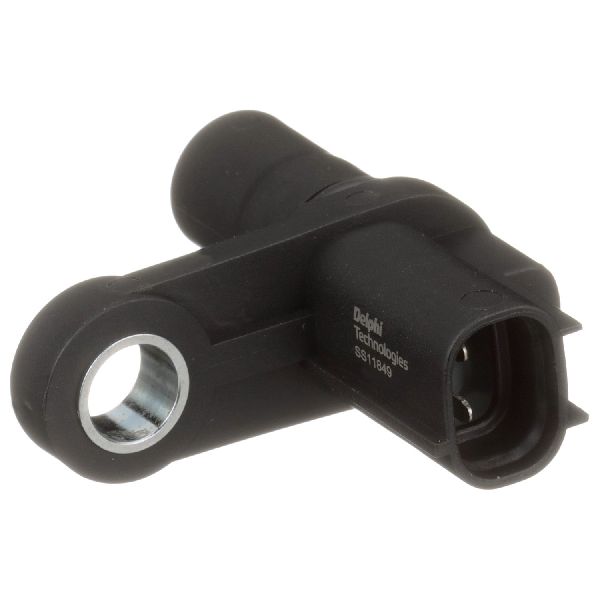
- Premium Aftermarket (Recommended): Brands like Delphi and Standard Ignition (SMP) have a strong reputation for producing electronics that meet or exceed original specifications. These are often the best choice for a balance of price and long-term reliability.
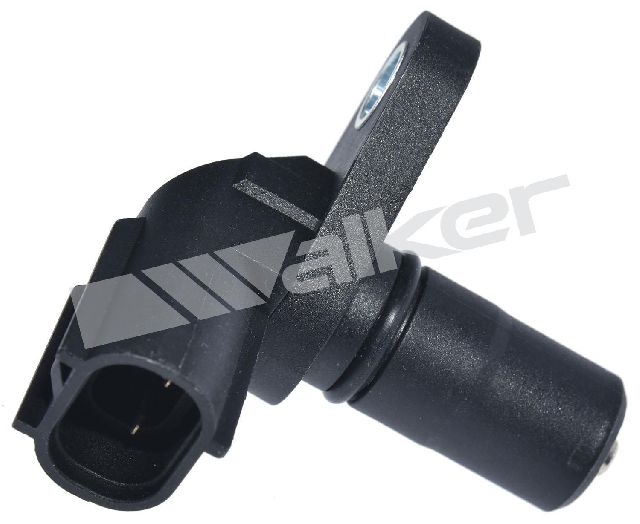
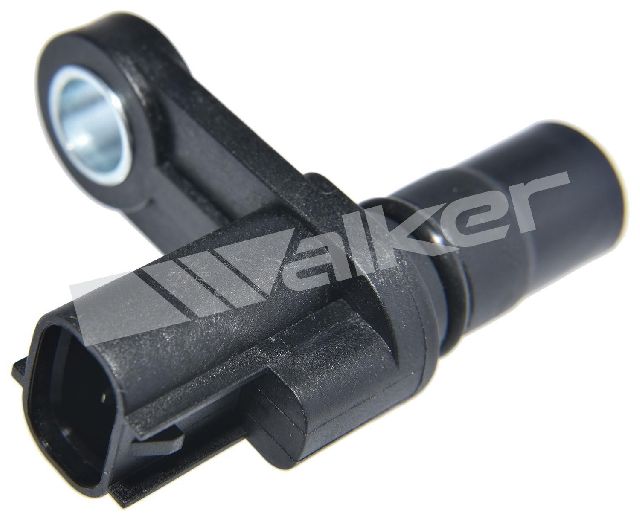
- Reputable Standard Aftermarket: Brands like Walker Products offer a direct OE fit and are a solid choice for a reliable repair.
- Value-Oriented Brands: Other brands like Holstein and Global Parts offer a more budget-friendly option. While they can be a good value, for a critical sensor like the VSS, spending a little more for a premium brand is often a wise investment to avoid doing the job twice.
Pro Tip: Avoid the absolute cheapest, no-name sensors. Forum discussions often contain stories of these parts being dead-on-arrival or failing within a few months. Sticking with a recognized brand is your best bet for an aftermarket repair.
Cost of Replacing a 1996-2002 4Runner Vehicle Speed Sensor
The cost can vary significantly between doing it yourself with an aftermarket part and having a dealer install an OEM part.
| Part/Service | Estimated Cost |
|---|---|
| New OEM Part | $280 - $410 |
| New Aftermarket Part | $38 - $354 |
| Shop Labor | $75 - $150 |
| Total DIY Cost (Aftermarket) | $38 - $354 |
| Total Shop Cost (OEM) | $355 - $560 |
Frequently Asked Questions (FAQ)

Can I replace the VSS myself?
Yes, this is a very DIY-friendly job. The sensor is located on the driver's side of the transmission or transfer case and is held in by a single 10mm or 12mm bolt. The process involves safely raising the vehicle, disconnecting the electrical plug, removing the bolt, and swapping the old sensor for the new one. The entire job can usually be done in under 30 minutes with basic hand tools.
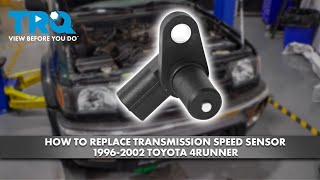
🎬 Watch this step-by-step guide to replacing your transmission speed sensor.Where is the Vehicle Speed Sensor located on my 4Runner?
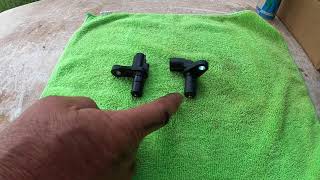
Look on the driver's side of your transmission or, on 4WD models, the transfer case. You will see a small sensor with an electrical connector plugged into the housing. There may be two similar-looking sensors; the VSS for the speedometer is typically the one further back.
Will a new sensor fix my P0500 check engine light code?
In most cases, yes. The P0500 code specifically indicates a malfunction in the vehicle speed sensor circuit. If the sensor itself has failed, replacing it is the correct fix. After replacing the sensor, the light may turn off on its own after some driving, or you can clear it with a basic OBD-II scanner.
Do I need to replace the O-ring?
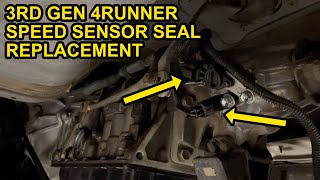
It is highly recommended. The VSS has a small O-ring that seals it against the transmission housing to prevent fluid leaks. Most new sensors will come with a new O-ring. Always use the new one and apply a light coat of clean transmission fluid to it before installation to ensure a good seal.
🎬 Watch this quick walkthrough on replacing the speed sensor seal.Helpful Videos

Technical Specifications
OEM Part Numbers: 83181-35070 83181-12020 83181-35080 83181-35050
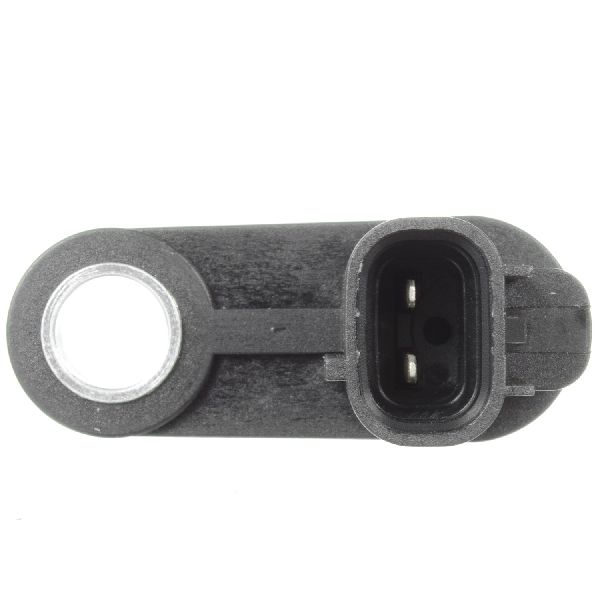
Typically a 2-wire or 3-wire sensor that mounts on the transmission or transfer case, secured by a single bolt. Includes an O-ring to seal against fluid leaks.
We Have This Part in Stock


The information in this article is provided for general reference and educational purposes only. Vehicle specifications, procedures, and part compatibility can vary by production date, trim level, and region. Always consult your vehicle's factory service manual and verify part numbers before purchasing or performing repairs. Safety-critical components such as airbags, seat belts, and braking systems should be installed by a qualified professional.
- Toyota 4Runner: