

An Owner's Guide to the Accessory Drive Belt on a 1996-2003 Audi A4 Quattro
Understanding the squeals, symptoms, and replacement choices for your B5 Audi A4's serpentine belt.
- The belt tensioner is a known weak point and should always be replaced with the accessory belt on this vehicle.
- A squealing noise is the first warning sign; inspect the belt immediately to avoid being stranded.
- Choose a top-tier aftermarket brand like Continental or Gates for OEM-level quality and reliability.
- Confirm your engine (1.8T or 2.8L V6) before ordering, as they use different belts.
Is Your Accessory Belt Failing? Signs to Watch For
A worn accessory belt will almost always give warning signs before it breaks. Ignoring them can leave you stranded. If you notice any of these symptoms, it's time to inspect the belt and its related components.
- Squealing or Chirping Noises: This is the most common sign of a problem. A high-pitched squeal, especially when you start the engine or turn the steering wheel, means the belt is slipping because it's worn out, loose, or contaminated with fluid.
- Rattling or Grinding Sounds: If a squeal is joined by a rattling or grinding noise, the bearing in the belt tensioner pulley is likely failing. 🎬 Watch: 7 common symptoms of a bad belt tensioner This is a very common issue on the B5 A4 and requires immediate attention.
- Visible Damage: Look at the belt itself. If you see multiple cracks, frayed edges, missing chunks of the ribbed section, or a surface that looks shiny and glazed, it needs to be replaced.
- Accessory Problems: If the battery warning light comes on, your power steering feels heavy, or the A/C stops blowing cold, the belt may not be turning those components correctly.
A Note on the Belt Tensioner
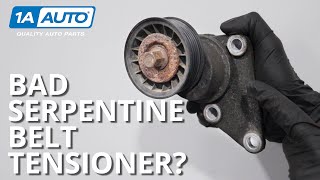
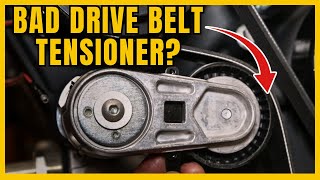
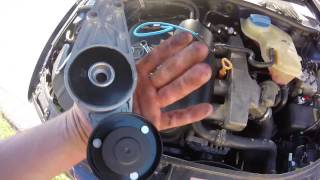
The accessory belt tensioner is a known weak point on the 1996-2003 Audi A4. The internal spring can weaken over time, causing the belt to lose tension and slip, or the pulley bearing can seize. It is strongly recommended by experienced mechanics to replace the tensioner assembly whenever you replace the belt. 🎬 See this walkthrough on replacing the B5 A4 belt tensioner Installing a new belt with a worn-out tensioner will cause the new belt to fail very quickly.
Choosing the Right Aftermarket Belt
You don't need to buy a genuine Audi part to get reliable performance. High-quality aftermarket brands often supply the original parts to car manufacturers. For this part, a top-tier aftermarket belt provides the same quality as the dealer part for less money.
Here’s how the available brands generally rank in terms of quality and reputation for European cars:
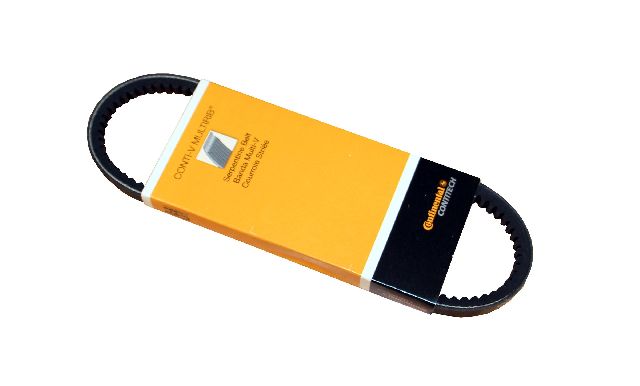
- Tier 1 (OEM-Equivalent): Continental, Gates. These brands are often the original equipment suppliers for Audi and Volkswagen. Choosing one of these is like getting the factory part without the dealer markup. They are trusted for perfect fitment and long-lasting durability.
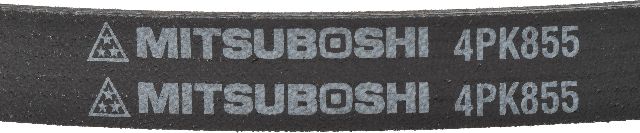
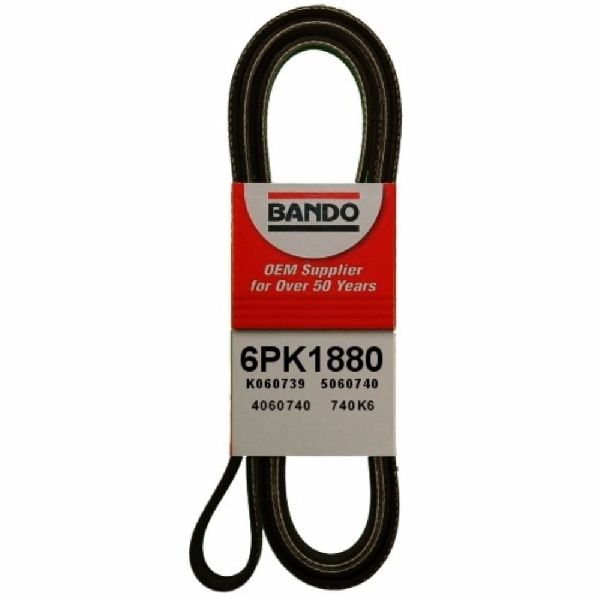
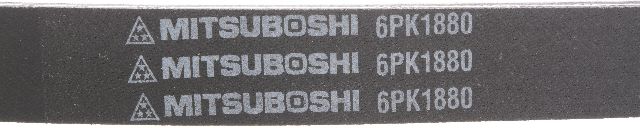
- Tier 2 (High-Quality Aftermarket): Bando, Mitsuboshi. These are major Japanese manufacturers known for making extremely reliable belts, often as OEM for Japanese vehicles. They are an excellent and dependable choice.
- Tier 3 (Standard Aftermarket): ACDelco. This is a well-known, reputable brand that produces reliable parts for a wide range of vehicles. It offers a solid balance of quality and value.
Common Ordering Mistake
The 1996-2003 Audi A4 Quattro was available with a 1.8L 4-cylinder turbo engine and a 2.8L V6 engine. These two engines use different accessory drive belts of different lengths. Always confirm your specific engine before ordering to ensure you get the correct part.
Accessory Drive Belt Replacement Cost
The total cost depends on whether you do the work yourself or take it to a shop. The biggest factor in labor cost is whether the mechanic needs to put the front of the car in the "service position" to get enough access, which is common for this job.
🎬 Watch: Step-by-step guide to replacing the drive belt| Item | Estimated Cost |
|---|---|
| New Aftermarket Belt | $12.94 - $57.88 |
| New OEM Belt | $40 - $90 |
| Shop Labor | $150 - $350 |
| Total (Shop Replacement) | $165 - $410 |
Frequently Asked Questions (FAQ)
Should I replace the tensioner and pulleys with the belt?
Yes, absolutely. The tensioner is a common failure point on this specific Audi A4 model. A bad tensioner is often the root cause of belt problems and will quickly destroy a new belt. Replacing the belt, tensioner, and any idler pulleys together is the correct way to do the job and prevents you from having to do it again in a few thousand miles.
How often should the accessory belt be replaced?
A general guideline is to inspect the belt at every oil change and plan for replacement every 60,000 to 100,000 miles. However, due to the known issues with the tensioner on this model, you should replace the belt immediately if you see any signs of cracking or hear any persistent squealing.
What happens if the belt breaks while I'm driving?
You will immediately lose power steering, making the car very difficult to steer. The alternator will also stop working, so your car will be running only on battery power. It will shut down and leave you stranded within a few minutes. You must pull over safely as soon as it happens.
Are there any recalls for the accessory belt on this car?
No. A search of the National Highway Traffic Safety Administration (NHTSA) database shows no safety recalls for the accessory drive belt or its components for the 1996-2003 Audi A4. There were recalls and TSBs related to the *timing belt* on some engines, but that is a separate part from the accessory belt.
Helpful Videos
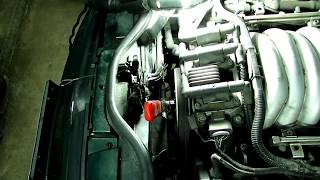
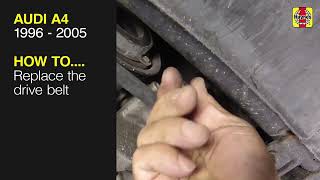
Technical Specifications
OEM Part Numbers: 06B903137D 078903137BJ 06B903137A
Belt length and rib count vary between the 1.8T and 2.8L V6 engines. The belt is typically a multi-ribbed (poly-v) design made from EPDM rubber.
We Have This Part in Stock
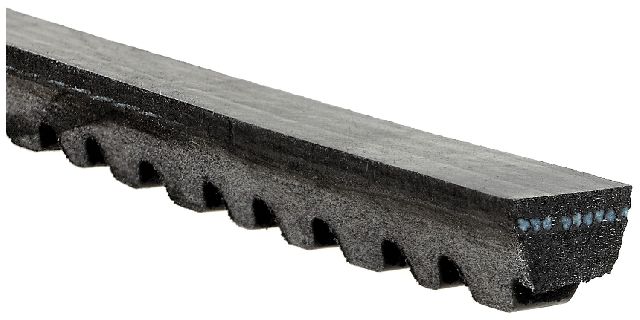
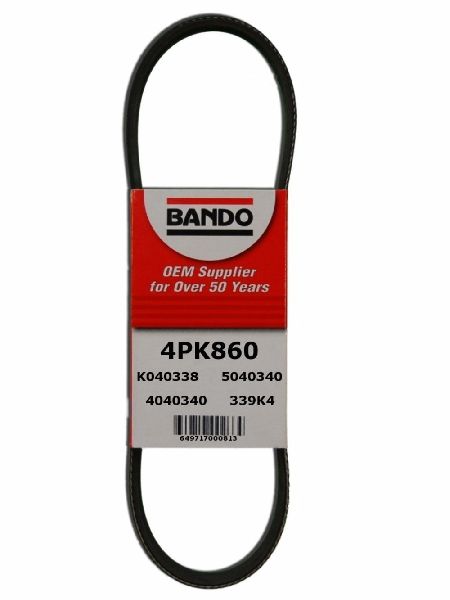

The information in this article is provided for general reference and educational purposes only. Vehicle specifications, procedures, and part compatibility can vary by production date, trim level, and region. Always consult your vehicle's factory service manual and verify part numbers before purchasing or performing repairs. Safety-critical components such as airbags, seat belts, and braking systems should be installed by a qualified professional.
- Audi A4 Quattro: