

Engine Intake Manifold Gasket Set for 1996-2003 Chevrolet Express 1500
A complete guide to understanding and replacing the common-fail intake manifold gaskets on your Vortec-powered Express van.
- The original plastic-frame intake manifold gaskets on 1996-2003 Express vans are a known common failure point.
- Choose an aftermarket gasket set with a metal (steel or aluminum) frame, like those from Fel-Pro, for a permanent repair.
- Symptoms include external coolant leaks, overheating, rough idle, and potentially milky engine oil.
- This is a labor-intensive job; while DIY is possible for the experienced, professional repair costs are significant due to the labor involved.
The Weak Link of the Vortec Engine
If you own a 1996-2003 Chevrolet Express 1500, you likely have a 4.3L, 5.0L, or 5.7L Vortec engine. While these engines are known for their durability, they have a well-documented weak point: the factory intake manifold gaskets. The original gaskets used a plastic frame that can become brittle and crack over time due to constant exposure to heat and engine coolant. This problem is so common that many mechanics consider it a routine repair for these vans. When this gasket fails, it can cause a range of issues from minor leaks to severe engine damage.
Symptoms of a Bad Intake Manifold Gasket
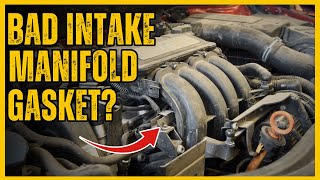
A failing intake manifold gasket can show several signs. It's important to address them quickly to avoid 🎬 Watch: Common signs of a leaking intake manifold gasket more expensive repairs.
- Coolant Leaks: This is the most common symptom. You might notice a puddle of orange or green coolant under the front of the engine. The leak often occurs where the gasket seals the coolant passages at the front or rear of the manifold, sometimes running down the back of the engine.
- Engine Overheating: A significant coolant leak will lead to low coolant levels, causing your engine to run hotter than normal and potentially overheat.
- Rough Idle and Misfires: If the gasket fails on the intake port side, it can create a vacuum leak. This allows unmetered air into the engine, disrupting the air-fuel ratio and causing a rough idle, engine misfires (which may trigger a P0300 code), and poor acceleration.
- Milky Engine Oil: In severe cases, the gasket can fail internally, allowing coolant to mix with your engine oil. If you check your oil dipstick and find a milky, coffee-colored substance, this is a critical issue that requires immediate attention to prevent catastrophic engine damage.
OEM vs. Aftermarket Gaskets: A Clear Winner
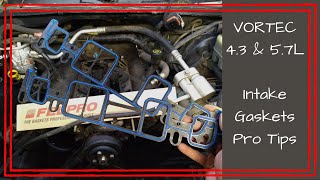
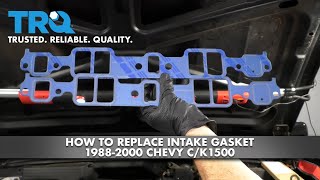
This is one of the few cases where aftermarket parts are widely considered a significant upgrade over the original equipment. The factory gaskets used a plastic carrier that degrades over time. Leading aftermarket brands like Fel-Pro redesigned their gaskets with a steel or aluminum carrier, which is far more durable and resistant to heat and corrosion. Choosing a quality aftermarket set with a metal frame is crucial for a long-lasting repair.
Choosing the Right Aftermarket Gasket Set
Not all aftermarket gaskets are created equal. For a job this labor-intensive, it's worth investing in a quality part to ensure you only have to do it once.
- Premium (Recommended): Brands like Fel-Pro are the top choice for this repair. Their PermaDryPlus sets (such as MS98000T) feature a steel carrier frame and improved sealing materials that solve the original design flaw. These kits often include all necessary seals for the job, like throttle body and valve cover gaskets.
- Standard: Brands like Dorman, Victor Reinz, and ACDelco (aftermarket line) offer reliable, OE-quality replacements. While better than the original plastic design, ensure you are getting a set with an updated metal frame.
- Economy: Lower-cost options are available, but given the difficulty of the repair, they are not recommended. The risk of premature failure and having to repeat the job outweighs the initial savings.
| Item | Estimated Cost |
|---|---|
| New Aftermarket Gasket Set | $24 - $145 |
| Shop Labor | $610 - $895 |
| Total Professional Repair | $840 - $1,477+ |
Frequently Asked Questions
Is this a DIY job or should I go to a mechanic?
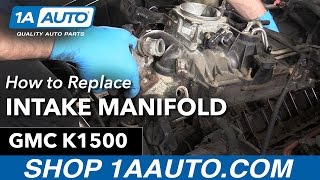
This is a moderately difficult job for an experienced DIY mechanic. It requires draining the cooling system, disconnecting fuel lines, and removing several components to access the manifold. The tight space in the Express van's engine bay (doghouse) makes it more challenging than on a pickup truck. If you are not comfortable with these steps, it is best to have a professional perform the repair. The job typically takes 4-6 hours.
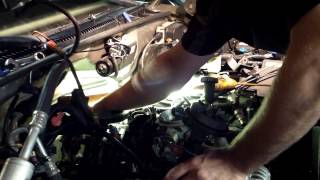
🎬 Watch a professional walkthrough of the entire replacement processAre there any recalls for this issue?
No, there have been no recalls issued by GM or the NHTSA for the failing intake manifold gaskets on the 1996-2003 Chevrolet Express 1500, despite it being a very common problem.
What happens if I don't replace a leaking gasket?
Ignoring a leaking intake manifold gasket can lead to severe engine damage. A persistent coolant leak can cause overheating, which can warp cylinder heads. If coolant leaks into the engine oil, it will destroy the engine's bearings, leading to complete engine failure.
Should I use sealant on the new gaskets?
Most modern gasket sets are designed to be installed dry. However, a small dab of RTV sealant is typically required at the corners where the front and rear end seals meet the cylinder heads. Always follow the specific instructions included with your gasket set.
Helpful Videos
Technical Specifications
OEM Part Numbers: 89017465
Fits 1996-2003 Chevrolet Express 1500 with 4.3L V6, 5.0L V8, or 5.7L V8 Vortec engines. Aftermarket designs often feature a steel carrier as an upgrade to the OEM plastic design.
We Have This Part in Stock


The information in this article is provided for general reference and educational purposes only. Vehicle specifications, procedures, and part compatibility can vary by production date, trim level, and region. Always consult your vehicle's factory service manual and verify part numbers before purchasing or performing repairs. Safety-critical components such as airbags, seat belts, and braking systems should be installed by a qualified professional.
- Chevrolet Express 1500: