

Chevrolet Express 3500 Crankshaft Position Sensor Guide (1996-2003)
Having trouble with stalling or a no-start condition? Your crankshaft position sensor might be the culprit.
- A failing crankshaft sensor can cause a no-start or stalling condition, leaving you stranded.
- For best results, choose an OEM/OE quality brand like ACDelco or Delphi for this critical sensor.
- After replacement, a 'Crankshaft Variation Relearn' procedure is required using a professional scan tool.
- The sensor is located on the lower passenger side of the engine, but access may require removing the starter.
Is Your Express Van Stalling or Refusing to Start?
A failing crankshaft position sensor is a common problem on many vehicles, including the 1996-2003 Chevrolet Express 3500. This small sensor plays a huge role in how your engine runs. When it starts to fail, it can leave you stranded without warning. The symptoms often start small but can quickly become a major issue, making the van unreliable and unsafe to drive.
Critical Component Warning
Because a complete failure of this sensor will prevent the engine from starting or cause it to stall while driving, it is not recommended to operate the vehicle if you suspect the sensor is faulty. Address this issue immediately to avoid being stranded.
Common Failure Symptoms
If your Express 3500 is experiencing any of the following issues, the crankshaft position sensor is a likely suspect:
- Engine Won't Start: The engine cranks over but never fires up. This is the most common and serious symptom.
- Stalling: The engine suddenly shuts off while driving, sometimes after it has warmed up. It might restart after cooling down.
- Rough Idle and Misfires: The engine runs poorly, shakes, or vibrates, especially at idle.
- Hard Starting: The engine takes longer than usual to start.
- Check Engine Light: The malfunction indicator lamp (MIL) is on, often with codes like P0335 or P0336.
- Poor Acceleration: The van feels sluggish and lacks power.
Choosing the Right Aftermarket Sensor
When it comes to electronic sensors, quality matters. For your Express van, sticking with brands that have a history as Original Equipment (OE) suppliers for GM is the safest bet. Cheaper, no-name brands can fail quickly or be dead on arrival, causing you to do the job twice.
| Tier | Brands | Notes |
|---|---|---|
| Top Tier (OEM/OE Quality) | ACDelco, Delphi | ACDelco is GM's official parts brand, and Delphi was a major OE supplier for these vehicles. These are the most recommended choices for reliability and fit. Forum users frequently recommend sticking with these brands for critical sensors. |
| Mid-Grade (Reputable Aftermarket) | NGK/NTK, Standard Ignition (SMP), Hitachi, Bosch | These are well-respected brands in the aftermarket. NTK, in particular, is noted for making high-quality sensors that meet or exceed OE specs. Bosch and Standard Ignition are also solid choices with a long history of producing reliable electronic parts. |
| Economy (Value-Oriented) | Dorman, Walker, Spectra, and others | These brands offer a lower price point. While Dorman provides a wide range of parts, quality on electronic components can be inconsistent according to forum discussions. These may be suitable for a budget repair, but their long-term reliability might not match the higher-tier brands. |
A Note on ACDelco Parts
Be aware that since GM's restructuring, some ACDelco parts are now sourced from various manufacturers and re-boxed. However, for a critical component like this, it is still considered a top choice. Both ACDelco and Delphi are often cited as the original part manufacturer for this era of GM trucks.
Crankshaft Variation Relearn Procedure
After replacing the crankshaft position sensor on a 1996 or newer GM vehicle, a "Crankshaft Variation Relearn" procedure is required. This procedure uses a scan tool to calibrate the new sensor with the engine computer (PCM). If you skip this step, the engine may continue to run poorly, misfire, or set a P1336 trouble code. Most DIY mechanics will not have a scan tool capable of this function, so you may need to have a professional shop perform the relearn after you've replaced the part.
Frequently Asked Questions (FAQ)
Where is the crankshaft position sensor located on the 1996-2003 Express 3500?
The sensor is located on the lower passenger side of the engine block, near the front harmonic balancer (crankshaft pulley). On some models, you may need to remove the starter motor to gain access. It is held in by a single bolt.
Can I replace this sensor myself?
Yes, this is a DIY-feasible job for someone with moderate mechanical skill. Access can be tight, and you'll be working from underneath the van. The main challenge is the required "relearn" procedure, which needs a specific type of scan tool that most DIYers don't own. You can replace the sensor yourself and then drive the vehicle to a shop to have the relearn performed.
What happens if I don't do the relearn procedure?
Skipping the relearn procedure can cause the engine to run rough, hesitate, misfire, and it will likely keep the Check Engine Light on with a code like P1336. The engine computer will not have an accurate reference for the crankshaft's position, defeating the purpose of replacing the sensor.
Is there a recall for this part on my van?
Searches on the NHTSA database did not show a specific recall for the crankshaft position sensor on the 1996-2003 Chevrolet Express 3500. There was a recall (06083) for this sensor on some 2001 GM trucks with the 8.1L V8 engine, but this did not specifically list the Express van. Always check for recalls using your vehicle's specific VIN on the NHTSA website.
Technical Specifications
OEM Part Numbers: 12596851 213-354 88864687
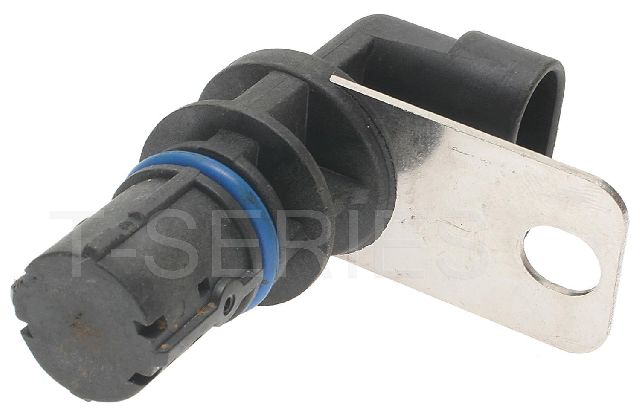
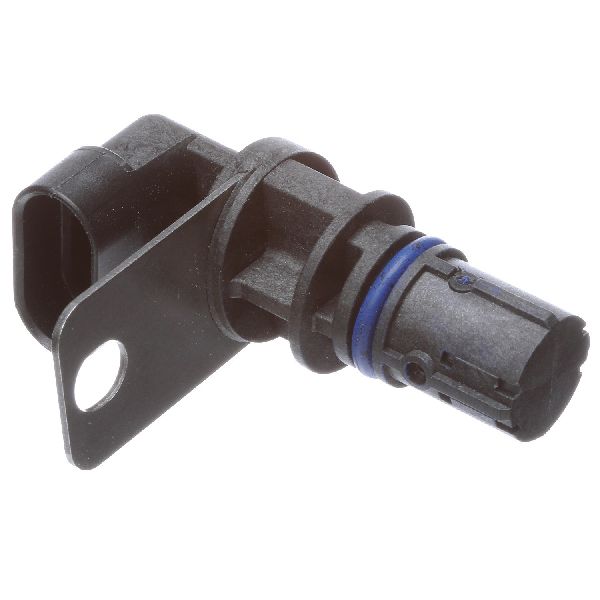
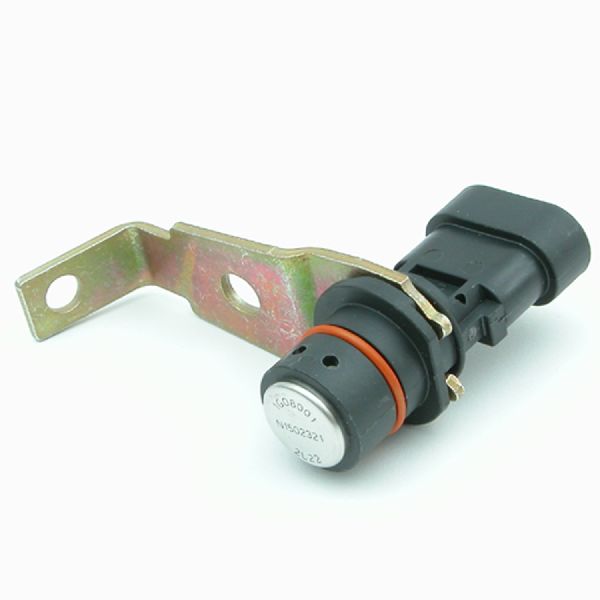
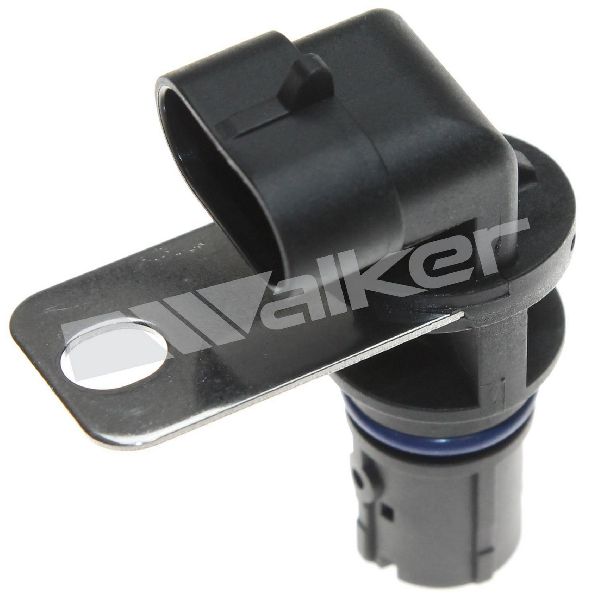
This is a magnetic or Hall effect sensor that reads a reluctor wheel on the crankshaft to determine engine speed and position. A relearn procedure is required after installation on GM vehicles of this era.
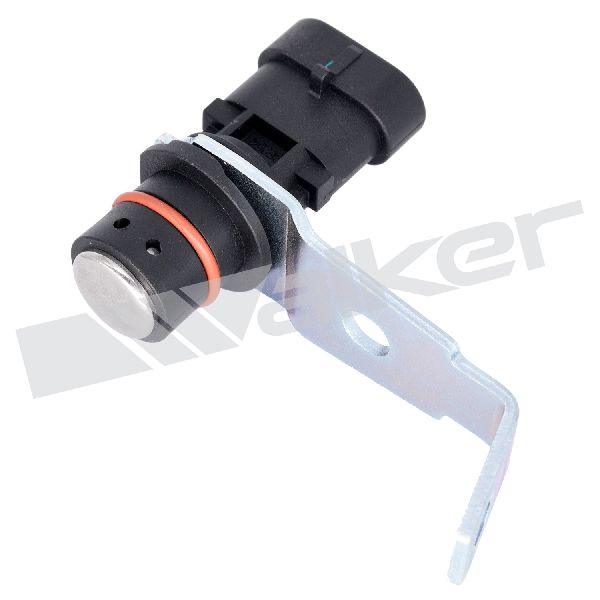
We Have This Part in Stock


The information in this article is provided for general reference and educational purposes only. Vehicle specifications, procedures, and part compatibility can vary by production date, trim level, and region. Always consult your vehicle's factory service manual and verify part numbers before purchasing or performing repairs. Safety-critical components such as airbags, seat belts, and braking systems should be installed by a qualified professional.
- Chevrolet Express 3500: