

Engine Intake Manifold Gasket Guide for 1996-2003 Chevrolet Express 3500
This common failure on Vortec engines can lead to serious issues; here's how to choose the right replacement gasket set.
- The original plastic-frame intake manifold gaskets on 1996-2003 Express vans are a known common failure point.
- Upgrading to an aftermarket gasket with a metal (steel or aluminum) frame, like those from Fel-Pro, is the recommended permanent fix.
- Symptoms often start with a coolant leak at the front or rear of the manifold, but can lead to serious issues like overheating or coolant-contaminated oil.
- Always replace the single-use intake manifold bolts and consider replacing other wear items like the thermostat and distributor cap while you have everything apart.
Understanding the Common Failure on Your Express Van
If you own a 1996-2003 Chevrolet Express 3500, especially one with a V8 Vortec engine, you're likely to face a leaking intake manifold gasket at some point. The original factory gaskets used a plastic carrier frame with rubber seals. Over many heat cycles and exposure to coolant, this plastic can become brittle, crack, and fail. This is a well-documented issue on this generation of GM trucks and vans. When it fails, it can cause coolant and oil to mix, or create a vacuum leak, leading to poor engine performance and potential engine damage.
OEM Gasket Design Flaw
The original plastic-framed gaskets are a known weak point. Mechanics widely recommend replacing them with an upgraded aftermarket gasket that uses a steel or aluminum frame for longevity. Simply replacing a failed plastic gasket with another one of the same design may lead to a repeat failure down the road.
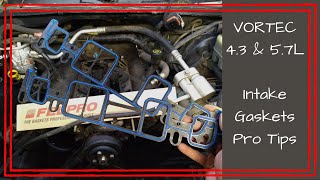
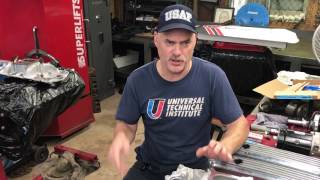
🎬 See a mechanic explain these common Vortec gasket problems.Symptoms of a Bad Intake Manifold Gasket
A failing intake manifold gasket can show several signs. You might notice just one, or a combination of them.
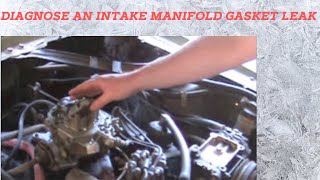
🎬 Watch this guide on how to diagnose a gasket leak.- Coolant Leaks: This is the most common symptom. You may see puddles of coolant (typically orange or green) under the front of your van. The leak often occurs at the corners of the intake manifold, dripping down the front or back of the engine.
- Engine Overheating: A significant coolant leak will cause the engine to run low on coolant and overheat. This can cause serious engine damage if not addressed quickly.
- Rough Idle or Misfires: A break in the gasket can create a vacuum leak, letting unmetered air into the engine. This throws off the air-fuel mixture, causing a rough idle, engine misfires (which may trigger a P0300 code), and general poor performance.
- Milky Oil: This is a serious symptom. If the gasket fails internally, coolant can leak into the engine oil. When you check your oil dipstick, the oil will look milky or like a chocolate milkshake. Driving with coolant in your oil will quickly destroy engine bearings.
- White Smoke from Exhaust: If coolant leaks into the combustion chamber, it will be burned off and create sweet-smelling white smoke from the tailpipe.
Choosing the Right Aftermarket Gasket Set
When shopping for a replacement, you'll see several brands and types. For this specific vehicle, choosing an upgraded design is more important than just sticking to the original equipment (OEM) brand.
Brand & Quality Tiers
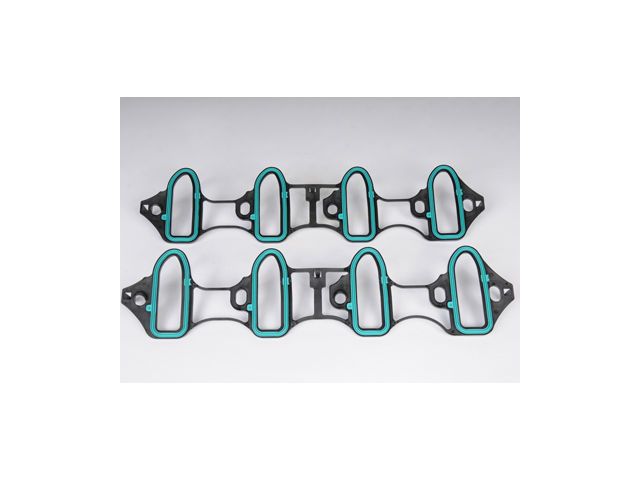
Premium / Upgraded Design (Recommended): Brands like Fel-Pro and Dorman offer redesigned gaskets that solve the original flaw. The Fel-Pro PermaDryPlus (often part number MS98000T or similar) features a steel or aluminum carrier that resists cracking. These are widely considered the best and most permanent solution by mechanics. They are designed for the repair environment, where sealing surfaces may not be perfectly flat anymore.
OEM-Style Replacement: ACDelco is the original parts supplier for GM. While their quality is generally good, be aware that you might be buying a gasket with the same plastic-frame design that failed in the first place, although updated versions may exist. If you choose ACDelco, verify it's an updated metal-frame design. Victor Reinz and Reinz gaskets are often good quality but may also use the original plastic design unless specified otherwise.
Budget: Brands like Apex or other lower-cost options are available. These can be a good choice for a budget-conscious repair, but they may not feature the upgraded metal frame design. For a critical part like this that requires significant labor to replace, investing in a premium gasket is often the most cost-effective choice in the long run.
Pro Tip: Get the Kit
Many brands sell a complete kit that includes not just the main intake gaskets, but also throttle body gaskets, RTV sealant for the end rails, and sometimes even new intake manifold bolts. Getting a complete kit ensures you have all the necessary small parts to do the job right.
| Part/Service | Estimated Cost |
|---|---|
| New Aftermarket Gasket Set | $30 - $162 |
| Shop Labor | $400 - $700 |
| Total Professional Replacement | $430 - $862 |
Frequently Asked Questions (FAQ)
Do I need to replace the intake manifold bolts?
Yes, it is highly recommended. The original bolts are often torque-to-yield, meaning they stretch when tightened and are designed for one-time use. Reusing them can lead to improper torque and a failed seal. Many premium gasket kits include new bolts.
Were there any recalls for this issue?
Searches for recalls on the NHTSA website did not show a specific recall for the intake manifold gasket on the 1996-2003 Chevrolet Express 3500. However, GM did issue Technical Service Bulletins (TSBs) acknowledging the problem on similar engines and recommending the use of an updated gasket design for repairs.
Should I replace anything else at the same time?
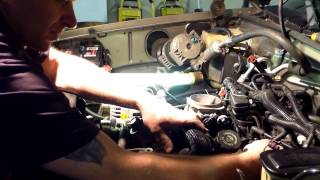
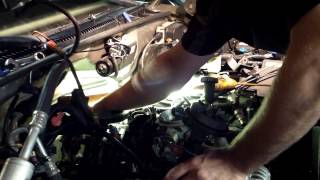
Since the job requires draining the coolant and removing the distributor 🎬 Watch: How to replace the intake gasket and distributor. and fuel lines, it's a good time to inspect other parts. Consider replacing the thermostat, water pump, distributor cap and rotor, and spark plug wires if they are old. Also, flush and replace your engine coolant. On some GM V8s, the knock sensors are located under the intake manifold and are prone to damage from moisture; it's wise to inspect them and apply RTV silicone to shield them as per GM service bulletins.
What's the difference between the gaskets for the 5.0L, 5.7L, and 7.4L engines?
The 1996-2003 Express 3500 came with several engine options, including the 5.0L, 5.7L, and 7.4L V8s. While they share a similar engine family (small-block or big-block Chevy), the intake manifold gaskets are specific to the engine and sometimes the year. Always verify the part fits your exact engine size before purchasing.
Helpful Videos
Technical Specifications
OEM Part Numbers: 89017465
Gasket sets are specific to engine size (e.g., 5.0L, 5.7L, 7.4L V8). Look for kits that include an upgraded metal carrier frame, new bolts, and RTV sealant.
We Have This Part in Stock


The information in this article is provided for general reference and educational purposes only. Vehicle specifications, procedures, and part compatibility can vary by production date, trim level, and region. Always consult your vehicle's factory service manual and verify part numbers before purchasing or performing repairs. Safety-critical components such as airbags, seat belts, and braking systems should be installed by a qualified professional.
- Chevrolet Express 3500: