

A Comprehensive Guide to the 1996-2003 Dodge Grand Caravan Knock Sensor
Address poor engine performance and protect your minivan's engine by understanding and replacing a faulty knock sensor.
- A bad knock sensor will trigger a P0325 code and cause poor acceleration and reduced fuel economy.
- The sensor is located under the intake manifold, making replacement a labor-intensive job.
- Due to the high labor cost, choosing a quality aftermarket brand like Standard Ignition or Walker Products is recommended over budget options.
- Always inspect the wiring and connector for damage before assuming the sensor itself has failed.
Is Your Grand Caravan Running Rough? It Could Be the Knock Sensor.
If your 1996-2003 Dodge Grand Caravan is suffering from sluggish acceleration, poor fuel economy, or has the Check Engine Light on, a faulty knock sensor could be the culprit. This small but critical sensor protects your 3.3L or 3.8L V6 engine from damaging detonation. When it fails, the engine's computer can't properly adjust ignition timing, leading to performance issues. Replacing it is key to restoring power and efficiency.
Symptoms of a Failing Knock Sensor
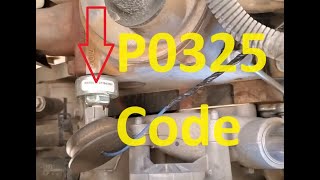
A bad knock sensor will usually trigger the Check Engine Light and store a fault code, most commonly P0325 - Knock Sensor 1 Circuit Malfunction. Beyond the light on your dash, you might also notice:
- Poor Acceleration: The van may feel hesitant or sluggish, especially when you press the gas pedal.
- Reduced Fuel Economy: The engine runs less efficiently, causing you to use more gas.
- Engine Pinging: You might hear a metallic pinging or knocking sound from the engine, especially under load (like going up a hill).
- Rough Idle: In some cases, a faulty sensor can contribute to a rough or uneven idle.
A Note on Location and Labor
On many Dodge V6 engines of this era, the knock sensor is located on the engine block, underneath the lower intake manifold. This makes replacement more involved than for many other sensors. It requires removing the upper and lower intake manifolds to gain access, which significantly increases labor time and cost for a professional repair. This is not a simple 20-minute job.
Choosing the Right Aftermarket Knock Sensor
When replacing the knock sensor, you have options ranging from budget-friendly to OE-quality. Since the labor to replace this part is significant, choosing a quality, reliable sensor is important to avoid doing the job twice.
Here’s a breakdown of the available aftermarket brands:
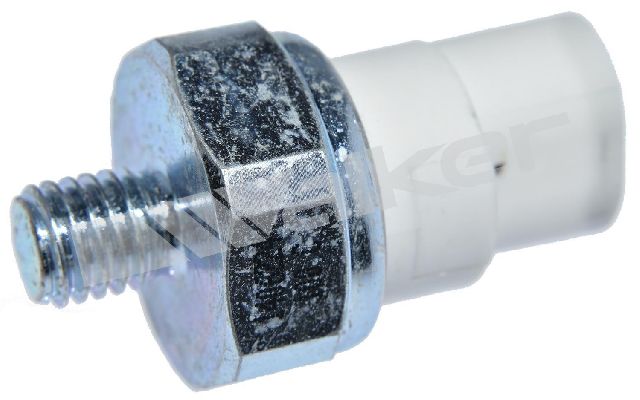
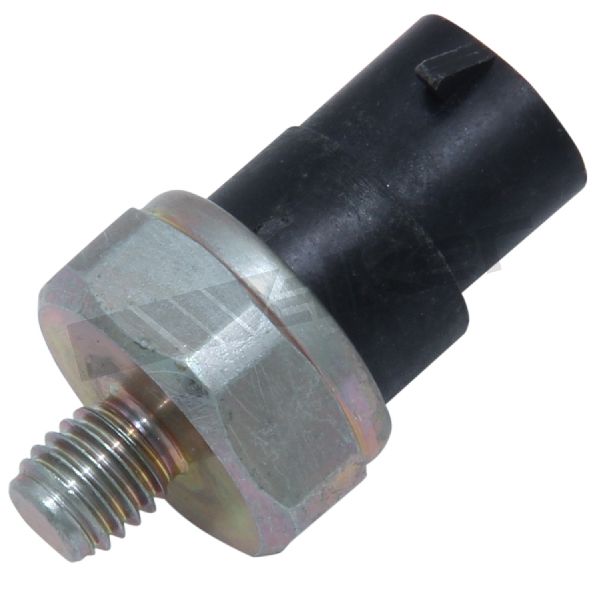
- Premium Aftermarket (e.g., Standard Ignition, Walker Products): These brands are well-regarded in the industry. Standard Ignition is often seen as a reliable choice, with some owners reporting it fixed issues that other brands could not. Walker Products markets its sensors as meeting or exceeding OE specifications for fit and function. Choosing a sensor from this tier is a smart investment, given the labor involved in the replacement.
- Standard/OEM-Alternative (e.g., Crown Automotive): Crown Automotive is known for providing a wide range of Jeep and Chrysler replacement parts. Forum discussions show mixed reviews; some find the parts to be a good value for OEM-style replacements, while others have experienced shorter lifespans or fitment issues. For a part that is difficult to access, this tier might be a gamble.
- Economy (e.g., Global Parts): These are typically the lowest-priced options. While tempting, the quality can be inconsistent. For a critical, hard-to-reach sensor like this, an economy part carries a higher risk of premature failure, which would mean paying for the expensive labor all over again.
Pro Tip: Due to the sensitive nature of piezoelectric sensors, it's recommended to torque the new sensor to the manufacturer's specification (often around 15 ft-lbs) to ensure it functions correctly. Also, inspect the wiring connector for damage or corrosion, as a bad connection can mimic a failed sensor.
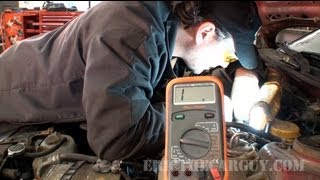
🎬 See EricTheCarGuy demonstrate how to professionally diagnose the circuit.Cost of Replacing the Knock Sensor
The total cost depends on whether you do the work yourself and the part you choose. Given the location, professional installation is common for this job.
| Item | Estimated Cost |
|---|---|
| Shop Labor | $140 - $205 |
| New Aftermarket Part | $50 - $135 |
| Total Professional Replacement | $190 - $340 |
Costs are estimates and can vary by location and specific vehicle condition.
Frequently Asked Questions
Where is the knock sensor located on a 1996-2003 Grand Caravan?
The knock sensor is typically located on the engine block, in the valley between the cylinder heads, underneath the intake manifold. This location protects the sensor but makes it difficult to access for replacement.
Can I replace the knock sensor myself?
This is an advanced DIY repair. Because it requires removing the upper and lower intake manifolds, it is recommended for experienced home mechanics only. 🎬 Watch a step-by-step walkthrough of the replacement process. The job requires careful disassembly, gasket replacement, and proper re-torquing of all components. For most owners, professional installation is the more practical option.
Does a P0325 code always mean the knock sensor is bad?
Not always. While a faulty sensor is the most common cause, the P0325 code indicates a problem in the sensor's circuit. This could also be caused by damaged wiring, a loose or corroded connector, or, in rare cases, an issue with the PCM. It's important to inspect the wiring and connector before replacing the sensor.
What happens if I ignore a bad knock sensor?
Your vehicle's computer will likely put the engine into a 'safe mode' with retarded timing to prevent damage. This results in the poor performance and bad gas mileage you experience. While you can drive the vehicle, you are leaving the engine unprotected from potential damage if a real knock condition occurs. It is not recommended to ignore it long-term.
Helpful Videos
Technical Specifications
OEM Part Numbers: 56028142AB 56028142
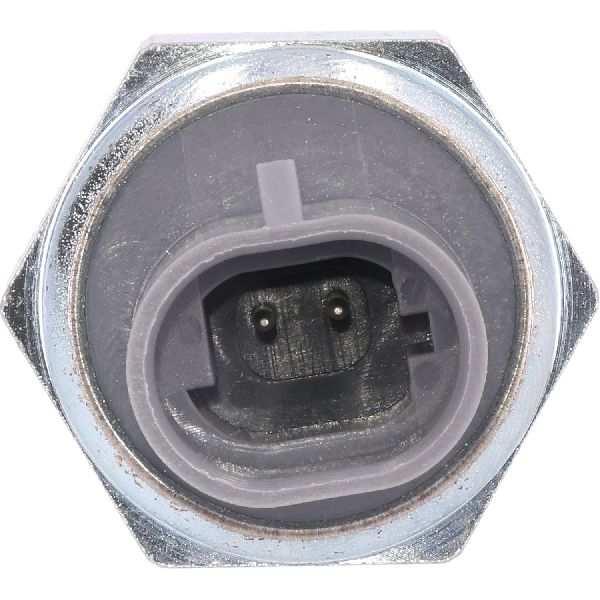
Piezoelectric-type sensor, typically single bolt mount, 2-pin connector.
We Have This Part in Stock


The information in this article is provided for general reference and educational purposes only. Vehicle specifications, procedures, and part compatibility can vary by production date, trim level, and region. Always consult your vehicle's factory service manual and verify part numbers before purchasing or performing repairs. Safety-critical components such as airbags, seat belts, and braking systems should be installed by a qualified professional.
- Dodge Grand Caravan: