

A Guide to Replacing Disc Brake Pads on Your 1996-2003 Dodge Ram 2500 Van
Choose the right brake pads to stop your heavy-duty van safely, quietly, and effectively.
- For heavy towing or hauling, invest in a premium semi-metallic or carbon-fiber ceramic pad set like Powerstop Z36 or Wagner OEX.
- Always replace brake pads in axle sets (both front wheels or both rear wheels) to ensure even braking.
- Inspect your brake rotors for wear and thickness; replacing them with the pads is the best practice for safety and performance.
- A grinding noise means stop driving immediately; you are causing expensive damage to the rotors and calipers.
Signs of Worn Brake Pads
Your van will give you clear warnings when it's time for new brake pads. Ignoring these symptoms can lead to more expensive repairs, like needing to replace the brake rotors and calipers. Listen and feel for these signs:
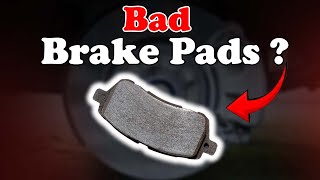
🎬 Watch: See and hear these top symptoms of bad brake pads.- Squealing or Screeching: A high-pitched noise when you apply the brakes is the most common first sign. This sound comes from a small metal wear indicator tab built into the brake pad that contacts the rotor when the pad material is low.
- Grinding Noise: If you hear a deep, harsh grinding sound, it means the brake pads are completely worn away. This is a critical warning of metal-on-metal contact between the brake caliper and the rotor, which causes severe damage and unsafe braking.
- Vibration or Pulsing: A pulsing sensation in the brake pedal or vibration in the steering wheel when braking can point to worn-out pads or, more commonly, warped brake rotors.
- Longer Stopping Distances: If your van takes longer to stop than it used to, your brake pads have likely lost their effectiveness and need to be replaced.
- Brake Warning Light: A brake system warning light on your dashboard is a direct signal to have your entire brake system inspected immediately.
Choosing the Right Aftermarket Brake Pads
For a vehicle like the 1996-2003 Ram 2500 Van, the aftermarket offers a wide range of quality options that often exceed original equipment (OEM) standards. The key is to match the pad to your van's usage. We can group the available brands into three tiers.
Economy Tier
Brands: Pronto, Total Stopping Solutions
These pads are designed for the budget-conscious owner. They will restore braking function at the lowest cost, but may not offer the longevity, quiet operation, or stopping power of higher-tier pads. They are suitable for light-duty use, but if you frequently carry heavy loads, consider a step up.
Daily Driver / OEM-Quality Tier
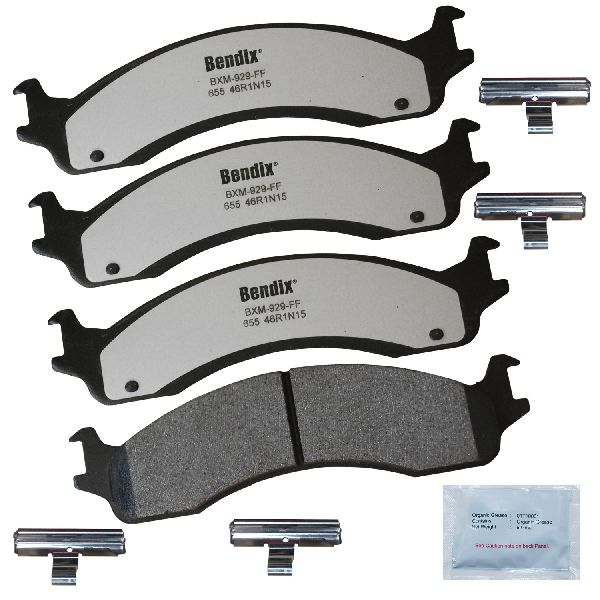
Brands: Bendix, Bosch, Centric, Dynamic Friction, Wagner Brakes
This tier offers the best balance of performance, durability, and price for most owners. These pads are excellent for daily driving and moderate cargo loads.
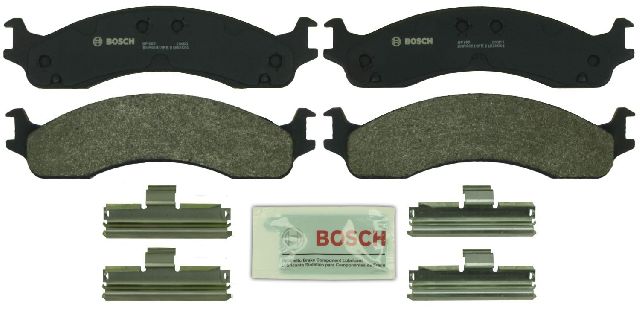
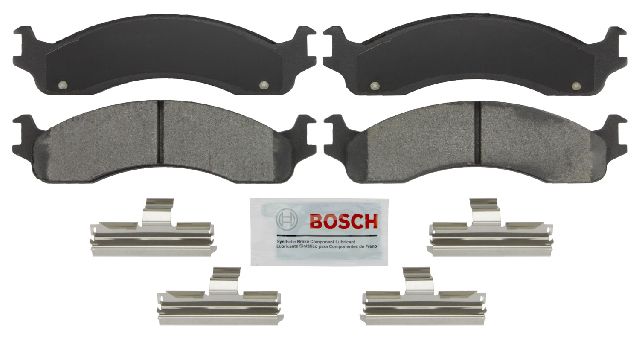
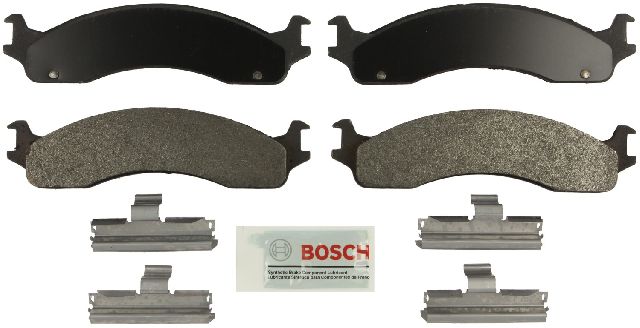
- Bosch QuietCast pads are a premium ceramic option known for their quiet performance and low dust.
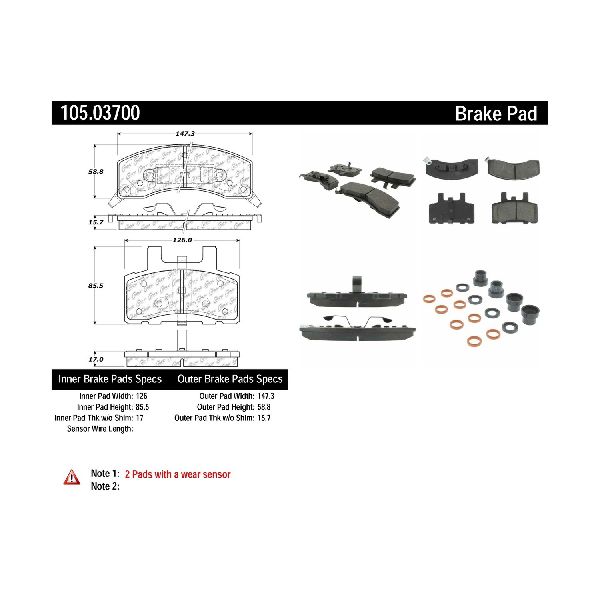
- Centric Posi-Quiet pads are manufactured using an OEM-style positive molding process for even wear and are scorched to help with a faster break-in period.
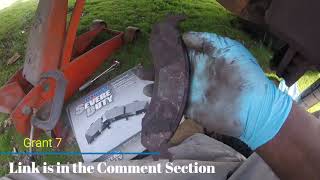
- Wagner OEX and QS pads are highly regarded for consistent, like-new performance and durability. The OEX line is specifically designed for the demands of trucks and SUVs. 🎬 See this walkthrough on replacing brakes on a Ram Van B2500.
Premium & Heavy-Duty Towing Tier
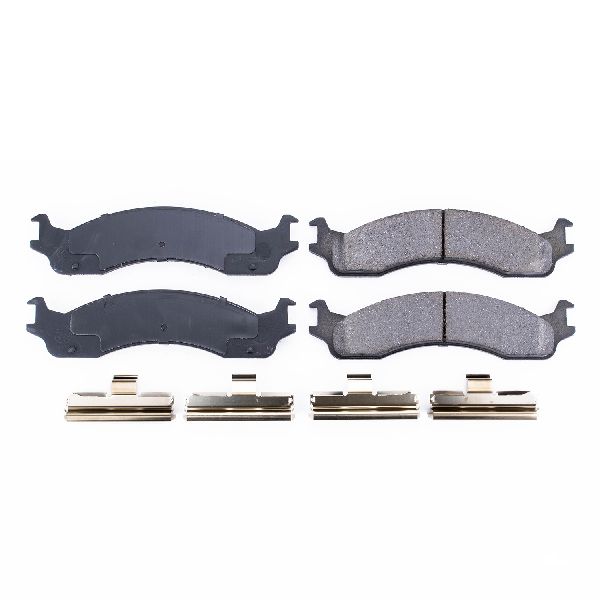
Brands: Akebono, Brembo, EBC Brakes, Performance Friction, Powerstop
If you use your Ram Van for heavy towing, carry maximum payload, or simply want the best possible stopping power, this tier is for you. These pads use advanced friction compounds to manage heat and provide superior bite.
- Powerstop Z36 Truck & Tow pads are a top recommendation among truck owners for their carbon-fiber ceramic compound that provides excellent stopping power with low dust and noise, even under heavy loads.
- EBC Brakes offers various compounds like their Yellowstuff, which are designed for aggressive truck use and provide excellent performance.
- Brembo is a world-renowned brake manufacturer, and their pads offer premium stopping power and performance.
Known Issues & Considerations
While no major recalls or Technical Service Bulletins (TSBs) exist specifically for the brake pads on the 1996-2003 Ram 2500 Van, some owners of the Ram 2500 *pickup truck* from the same era reported premature front brake pad wear. This was sometimes attributed to issues with rear brakes not doing their share of the work, forcing the front pads to overcompensate. When replacing your front pads, it is a good pro-tip to also inspect your rear brakes (whether disc or drum) to ensure they are functioning correctly. Also, check that your front caliper slide pins are clean, lubricated, and moving freely to prevent uneven pad wear.
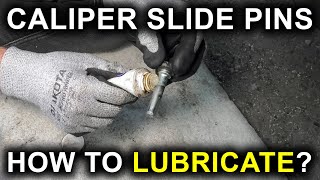
🎬 Watch: How to lubricate caliper slide pins to prevent uneven wear.Frequently Asked Questions
What's the difference between ceramic and semi-metallic pads for my van?
Semi-metallic pads are excellent for heavy-duty use as they are durable and dissipate heat well, which is great for towing. However, they can be noisier and produce more brake dust. Ceramic pads are known for being very quiet, producing little dust, and being gentle on brake rotors. High-quality ceramic pads, like the Powerstop Z36 series, are engineered with carbon fiber to handle the high heat of towing applications.
Do I need to replace my rotors when I replace my pads?
It is highly recommended. At a minimum, your rotors should be inspected for thickness and runout (warping). If they are worn below the minimum thickness stamped on the rotor hub or show signs of heavy grooving or heat spots, they must be replaced. Installing new pads on old, worn rotors will reduce braking performance and cause the new pads to wear out much faster.
What is brake pad "bedding-in"?
Bedding-in, or break-in, is a process that deposits an even layer of friction material from the new pads onto the brake rotors. This ensures smooth, quiet, and powerful braking. The procedure typically involves a series of controlled stops from moderate speeds without coming to a complete stop, allowing the brakes to heat up and then cool down. Always follow the specific bedding-in instructions provided by the brake pad manufacturer.
How often should I replace my Ram Van's brake pads?
There is no set mileage. Lifespan depends entirely on the pad material, your driving habits (city vs. highway), and how much weight you carry. A van used for heavy-duty work in stop-and-go traffic may need pads every 20,000 miles, while one used for light-duty highway driving might go 50,000 miles or more. The best approach is to inspect your pads during every tire rotation or at least once a year.
Helpful Videos
Technical Specifications
The 1996-2003 Dodge Ram 2500 Van uses a dual-piston front brake caliper, which requires more force to retract than single-piston designs. Ensure you have a C-clamp or piston spreader tool capable of compressing both pistons simultaneously during replacement.
We Have This Part in Stock

The information in this article is provided for general reference and educational purposes only. Vehicle specifications, procedures, and part compatibility can vary by production date, trim level, and region. Always consult your vehicle's factory service manual and verify part numbers before purchasing or performing repairs. Safety-critical components such as airbags, seat belts, and braking systems should be installed by a qualified professional.
- Dodge Ram 2500 Van: