

Dodge Ram 2500 Van Radiator: A Guide for 1996-2003 Models
Dealing with overheating or leaks in your Dodge Ram Van? Here’s what you need to know before buying a new radiator.
- The most common failure is a leak where the plastic side tanks meet the aluminum core.
- Aftermarket quality varies greatly; OEM is reliable but very expensive for an older van.
- Replacing hoses and the radiator cap at the same time is a smart, preventative measure.
- Before buying, confirm the transmission cooler line fittings on the new radiator match your van's original lines.
Is Your Dodge Ram Van Radiator Failing?
Radiators don't last forever, especially on hardworking vans. The most common problem for this generation of Dodge Ram Van is the radiator developing leaks. This often happens where the plastic side tanks are clamped onto the metal center, or core. Over time, the plastic can become brittle and crack, causing coolant to seep out. Another weak spot is the plastic inlet or outlet neck, which can break off completely when you're working on it or when a hose is removed.
Common Failure Symptoms
- Engine Overheating: The temperature gauge climbing into the red is the most serious sign of a cooling system problem.
- Coolant Leaks: Finding puddles of bright green, orange, or pink fluid under the front of your van is a clear sign of a leak. 🎬 Watch: How to find a coolant leak and fix overheating
- Sweet Smell: If you notice a sweet, syrupy smell coming from your engine bay, it's likely burning coolant.
- Low Coolant Level: Constantly having to add coolant to the overflow tank means you have a leak somewhere in the system.
- Visible Corrosion: Rust-colored stains or white, crusty deposits on the radiator fins indicate that the radiator is corroding and may be leaking externally.
Choosing the Right Aftermarket Radiator
For an older vehicle like a 1996-2003 Ram Van, buying an OEM (Original Equipment Manufacturer) radiator from a dealer can be very expensive. Most owners choose an aftermarket part. However, quality can vary a lot between brands. Aftermarket radiators are generally grouped into a few quality tiers.
Brand Quality Tiers
Based on owner experiences and mechanic feedback, aftermarket brands for your van can be thought of in these general categories:
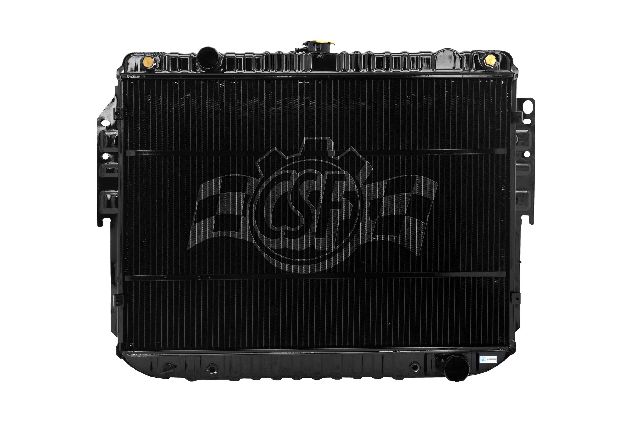
- Premium Aftermarket (Closer to OEM): Brands like ACDelco and some CSF Radiator models fall here. They often use better materials and construction, but cost more than economy options. Some forum users report that plastic tank CSF radiators are generally reliable.
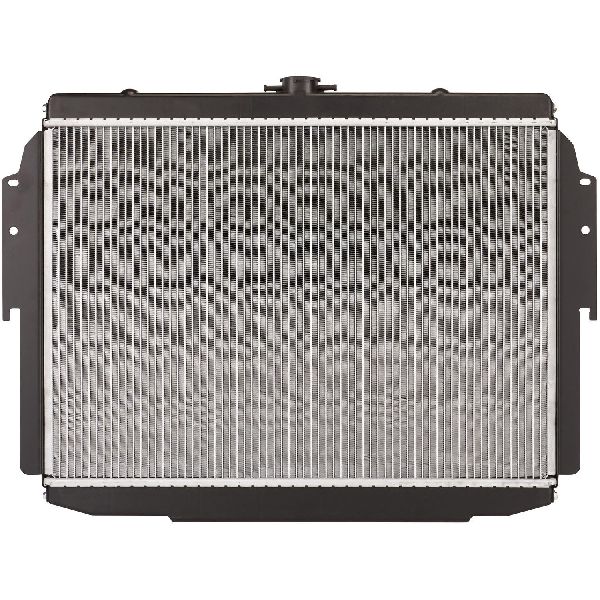
- Standard/Economy Aftermarket: This is where most aftermarket brands, including Spectra Premium and APDI, are found. They offer significant cost savings, but their lifespan can be a gamble. Some owners use Spectra with no issues, while others report failures within a few years. APDI is another budget-friendly option, though some parts sellers note they see a number of warranty returns.
- Basic/Unknown Brands: Brands like One Stop Solutions may fall into this category. With little to no public feedback, their quality is unknown. They are often the cheapest option available.
Pro Tip: The original factory radiator likely lasted over a decade. While an economy aftermarket part will save you money now, be aware that it may not last as long. The main failure point for both OEM and aftermarket radiators is the plastic-and-aluminum design.
How Much Does a New Radiator Cost?
The cost to replace the radiator in a 1996-2003 Dodge Ram 2500 Van depends heavily on the part you choose and who does the work. A professional shop will charge for 2-3 hours of labor plus the part cost.
| Part Type | Estimated Part Cost | Notes |
|---|---|---|
| New Aftermarket | $35 - $463 | Price varies widely based on brand and quality. This is the most common choice for this van. |
| New OEM | $900 - $1,100+ | Highest quality and price. Sourced from a Mopar dealership. |
| Shop Labor | $171 - $251+ | Based on an estimated 2-3 hours of work. Rates vary by location. |
Frequently Asked Questions
Is replacing the radiator a DIY job?
Yes, for someone with mechanical experience and basic tools, this is a manageable DIY project. 🎬 See this walkthrough for replacing the radiator yourself It is often described as time-consuming rather than difficult. You will need to safely drain the cooling system and disconnect several hoses, reservoirs, and brackets to get the old radiator out.
🎬 Watch: Step-by-step guide on how to remove the radiatorAre there any recalls on the radiator for my van?
Based on searches of the NHTSA database, there are no specific recalls or technical service bulletins (TSBs) for radiator failure on the 1996-2003 Dodge Ram 2500 Van.
Should I replace the radiator cap and hoses at the same time?
Yes, it is highly recommended. A new radiator cap will ensure the system holds the correct pressure, and new hoses prevent a future failure. It's a small extra cost that adds a lot of reliability.
Do I need a special tool for the transmission cooler lines?
On these models, the transmission cooler lines are typically held on with standard hose clamps or threaded fittings, which can be removed with pliers or wrenches. Always double-check the fittings on your new radiator to make sure they match the old ones before you begin the installation.
Helpful Videos
Technical Specifications
OEM Part Numbers: 55056682AE 52028724AF
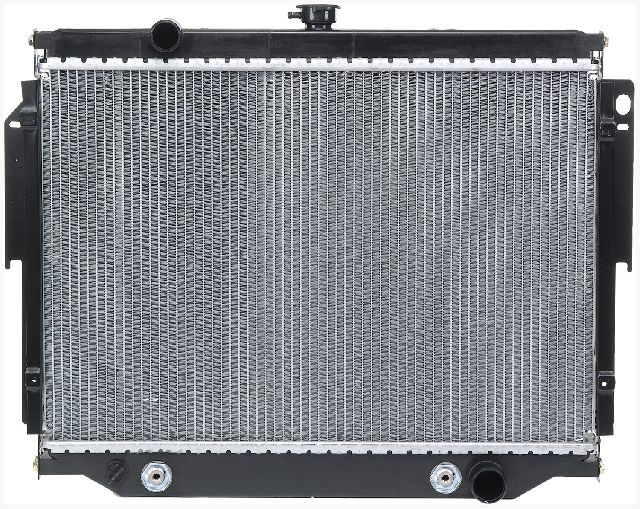
The radiator for the 1996-2003 Dodge Ram 2500 Van is a crossflow design, typically with a core made of aluminum and tanks made of plastic. It includes an integrated transmission oil cooler. Core dimensions and hose placement can vary slightly by engine size (V6, V8) and model year, so verifying fitment is crucial.
We Have This Part in Stock


The information in this article is provided for general reference and educational purposes only. Vehicle specifications, procedures, and part compatibility can vary by production date, trim level, and region. Always consult your vehicle's factory service manual and verify part numbers before purchasing or performing repairs. Safety-critical components such as airbags, seat belts, and braking systems should be installed by a qualified professional.
- Dodge Ram 2500 Van: