

Dodge Ram 3500 Van (1996-2003) Radiator Replacement Guide
Keep your van's engine cool and prevent breakdowns by choosing the right replacement radiator.
- Radiator failure often presents as overheating, visible coolant leaks, or corrosion.
- Replacing the radiator is a manageable DIY task that can save you hundreds in labor costs.
- Always replace radiator hoses and use the correct type of coolant during the job to prevent future issues.
- Verify that the new radiator has the correct connections for your van, especially regarding the transmission cooler.
Is Your Radiator Failing? Common Symptoms
A bad radiator can quickly lead to serious engine damage if ignored. If you notice any of these signs with your Dodge Ram 3500 Van, it's time to inspect your cooling system.
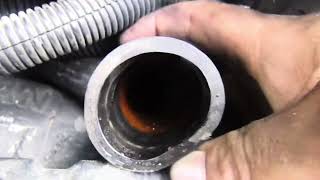
- Engine Overheating: The most obvious sign. If your temperature gauge is consistently in the red 🎬 Watch this video to diagnose common Dodge Ram overheating issues., your radiator may not be cooling effectively.
- Coolant Leaks: Finding puddles of bright green, pink, or yellow fluid under your van is a major red flag. Leaks often come from cracked plastic side tanks or where the tanks connect to the aluminum core.
- Visible Corrosion: Rust and gunk on the radiator fins or at the hose connections can indicate a problem. Sometimes, the transmission cooler line connections on the radiator can rust out.
- Low Coolant Levels: If you constantly have to add coolant to the overflow tank, you likely have a leak somewhere in the system.
Don't Use Stop-Leak Products
While it might be tempting to use a stop-leak additive, it's only a temporary fix. These products can clog the narrow passages not just in your radiator, but throughout your entire engine, leading to worse overheating problems down the road.
Choosing the Right Aftermarket Radiator
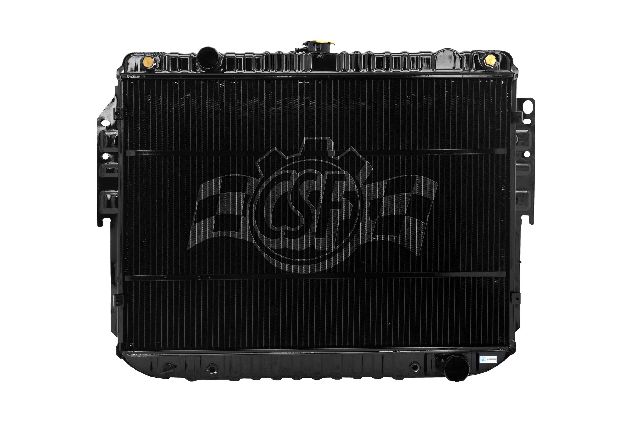
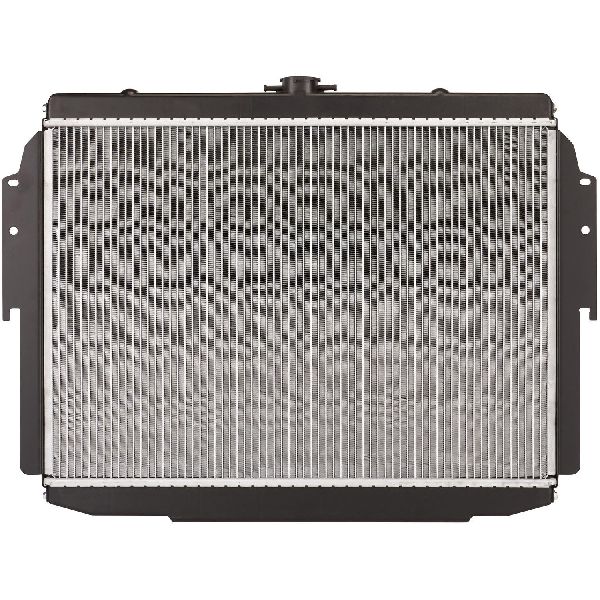
When replacing the radiator on your Ram 3500 Van, you don't need to buy an expensive part from the dealer. Aftermarket brands offer a range of quality options that meet or exceed original equipment (OE) specifications. Most modern radiators, including replacements for your van, feature plastic tanks crimped onto an aluminum core. The quality of these crimps and the plastic used is what often separates a good radiator from a poor one.
Aftermarket Brand Tiers
Here’s a look at the brands available and what you can generally expect:
- Premium Aftermarket (ACDelco, CSF Radiator, Spectra): These brands are often well-regarded. Spectra is noted for good quality and fit, with some of their products made in Canada. CSF is a certified OEM manufacturer that performs extensive testing, including leak, pressure, and thermal cycle tests. ACDelco is a trusted name, though like any large brand, quality can vary between their different product lines.
- Standard Aftermarket (APDI, One Stop Solutions): These brands provide a balance of value and quality. They are often more affordable and are designed to be direct-fit replacements. However, some users in forums have reported mixed experiences with APDI, suggesting that the quality might not be as consistent as premium brands.
- Economy Options: While not listed, be cautious of the cheapest unbranded options found online. A radiator is a critical part, and a premature failure can be costly. Some cheap radiators have been known to leak within months.
When ordering, pay close attention to your van's specific configuration. Some radiators come with a built-in transmission oil cooler, while others do not. Ensure the inlet and outlet hose connections match your current setup.
Radiator Replacement Cost for 1996-2003 Dodge Ram 3500 Van
The cost to replace your radiator will depend on the part you choose and whether you do the work yourself. The job is straightforward for a DIYer with basic tools.
| Part/Service | Estimated Cost |
|---|---|
| New Aftermarket Radiator | $35 - $463 |
| Shop Labor | $200 - $400 |
| Total Professional Replacement | $235 - $863 |
Frequently Asked Questions (FAQ)
Are there any recalls for the radiator on my van?
No, searches of the National Highway Traffic Safety Administration (NHTSA) database did not find any recalls specifically for the radiator on the 1996-2003 Dodge Ram 3500 Van.
Can I replace the radiator myself?
Yes, this is a DIY-friendly job if you have basic mechanical skills and tools. The process involves draining the coolant, disconnecting hoses, removing the fan shroud and mounting bolts, and lifting the radiator out. 🎬 Watch a mechanic demonstrate how to remove the radiator. Plan for a few hours to complete the job.
Should I replace my radiator hoses at the same time?
Yes, it is highly recommended. The rubber hoses can degrade from the inside out and may be brittle or soft. Replacing them with the radiator is cheap insurance against a future failure.
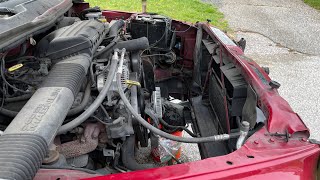
🎬 See a walkthrough of a radiator and hose replacement.What type of coolant should I use?
Always use a coolant that meets the manufacturer's specifications for your vehicle. For this era of Dodge van, a traditional green or a universal yellow/gold extended life coolant is typically appropriate. Mixing incompatible coolant types can cause gelling and blockages.
Helpful Videos

Technical Specifications
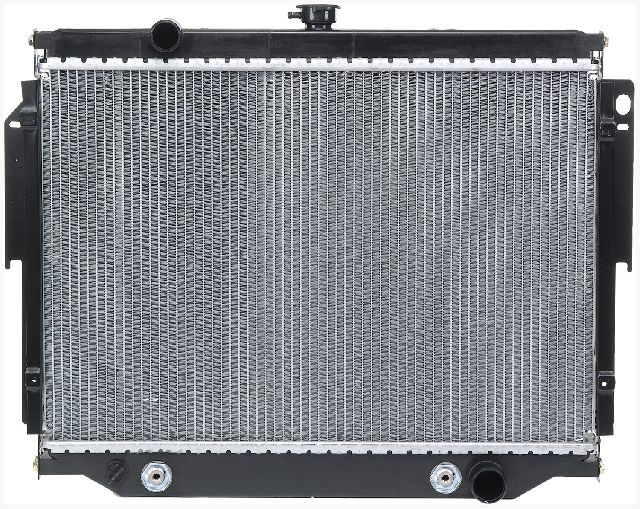
OEM Part Numbers: 52028627AB 52029115 52029116 52029117 52029628 52029628AC 52029630 52029630AC
Core Material: Aluminum, Tank Material: Plastic, Core Height: 18-3/4 in, Core Width: 26-3/8 in, Inlet: 1-1/2 in, Outlet: 1-3/4 in.
We Have This Part in Stock


The information in this article is provided for general reference and educational purposes only. Vehicle specifications, procedures, and part compatibility can vary by production date, trim level, and region. Always consult your vehicle's factory service manual and verify part numbers before purchasing or performing repairs. Safety-critical components such as airbags, seat belts, and braking systems should be installed by a qualified professional.
- Dodge Ram 3500 Van: