

Ford E-150 Econoline (1996-2003) Engine Camshaft Position Sensor Guide
Experiencing stalling or a no-start condition? Your van's camshaft position sensor might be the culprit.
- A failing sensor can cause stalling, a no-start condition, rough running, and will trigger the Check Engine Light.
- For 4.2L V6 engines, a loud squeal from the back of the engine points to a failing camshaft synchronizer, which is a critical failure.
- Replacement on V8 engines is very simple; on the 4.2L V6, it can be more complex if the synchronizer needs to be replaced.
- Premium aftermarket brands like Delphi, Denso, and Standard Motor Products offer reliable quality without the OEM price tag.
Is Your E-150 Stalling or Running Rough?
If you own a 1996-2003 Ford E-150 Econoline, a failing camshaft position sensor is a common problem that can cause a range of frustrating issues. These vans, whether equipped with the 4.2L V6, 4.6L V8, or 5.4L V8, rely on this sensor for proper engine function. When it starts to fail, it can leave you stranded. Symptoms often start small but can quickly become severe. Recognizing them early can save you from a breakdown.
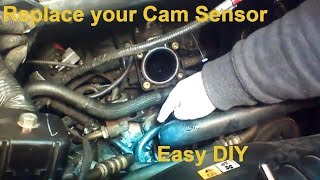
🎬 Watch this video to identify common bad camshaft sensor symptoms.Known Issue: 4.2L V6 Camshaft Synchronizer
For owners of E-150s with the 4.2L V6 engine, it's important to know that the camshaft position sensor is mounted on a separate part called the camshaft synchronizer. This synchronizer is driven by the camshaft and can wear out, causing a loud squeaking or chirping noise from the back of the engine. If the synchronizer fails, it stops spinning the oil pump, which can lead to catastrophic engine damage from oil starvation. If you hear this noise, it is critical to replace the entire camshaft synchronizer assembly, not just the sensor.
Choosing the Right Aftermarket Sensor
When replacing the camshaft position sensor, you don't have to buy the expensive OEM part from a dealer. Many aftermarket brands offer quality parts that meet or exceed original specifications. However, quality can vary significantly between brands. Here’s a breakdown of your options:
- Premium Aftermarket (Delphi, Denso, Standard Motor Products): These brands are often original equipment manufacturers for various car companies and have a strong reputation for quality and reliability. Standard Motor Products (SMP) is a well-regarded brand in the aftermarket. Delphi also produces sensors that are tested to OE standards. Choosing one of these brands is a safe bet for a long-lasting repair.
- Value Aftermarket (Dorman, Holstein, Walker Products): Brands like Dorman offer a cost-effective solution and are widely available. They are often direct-fit replacements that don't require special tools. However, forum discussions sometimes show mixed reviews regarding long-term durability compared to premium brands or OEM parts. Walker Products and Holstein are also solid mid-range options.
- Budget-Friendly Options: While the lowest-priced sensors are tempting, they can be a gamble. Inconsistent quality and manufacturing tolerances can lead to a part that fails quickly or doesn't work correctly out of the box, causing the same problems you were trying to fix.
Pro Tip: For the 4.2L V6, if you are replacing the camshaft synchronizer, some aftermarket kits (like Dorman's) may include the sensor and the necessary alignment tool, which can be cheaper than buying the parts separately. However, some mechanics prefer to use a high-quality synchronizer with a premium sensor.
How Much Does a New Camshaft Position Sensor Cost?
The cost can vary depending on the brand and whether you do the work yourself or take it to a shop. The part itself is generally affordable.
| Part/Service | Estimated Cost |
|---|---|
| New Aftermarket Sensor | $14 - $80 |
| Shop Labor | $75 - $150 |
| Total (DIY) | $14 - $80 |
| Total (Installed at Shop) | $89 - $230 |
*Cost estimates are for the sensor only and do not include the camshaft synchronizer assembly for the 4.2L V6, which is a more expensive part and a more involved repair. Prices are based on market research and may vary by location and supplier.
Frequently Asked Questions
Where is the camshaft position sensor located on the E-150?
The location depends on your engine. On the 4.2L V6, it's at the back of the engine, mounted on top of the camshaft synchronizer. On the 4.6L and 5.4L V8 engines, it is typically located on the front of the engine, near the timing cover, inserted into the cylinder head.
Is this a difficult part to replace myself?
For V8 models, it's usually a simple job requiring only basic tools. The sensor is held by one bolt and has a single electrical connector. For the 4.2L V6, replacing just the sensor is also easy, but if the entire synchronizer needs replacement, the job is more complex as it requires setting the engine to Top Dead Center (TDC) to ensure proper timing.
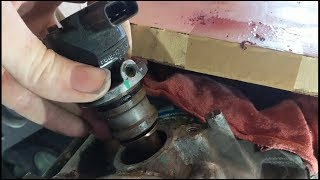
🎬 See how to properly replace the 4.2L camshaft position synchronizer.Was there a recall for this part on my van?
There was a recall (07S57) for a faulty camshaft position sensor, but it specifically applied to 1997-2003 E-Series vehicles equipped with the 7.3L DIESEL engine, not the gasoline engines covered in this guide. No recalls for this part were found for the gasoline-powered 1996-2003 E-150.
What do the fault codes P0340 or P0344 mean?
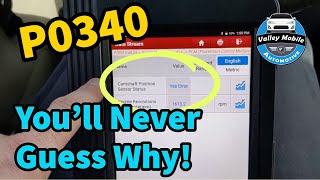
P0340 indicates a malfunction in the camshaft position sensor circuit. This means the PCM is not receiving a proper signal. P0344 indicates the signal is intermittent. While this often means the sensor has failed, it can also be caused by wiring issues, a problem with the camshaft synchronizer (on the 4.2L V6), or even a stretched timing chain on high-mileage V8 engines.
🎬 Learn why a P0340 code might not be the sensor.Helpful Videos
Technical Specifications
OEM Part Numbers: F7TZ-12K073-B F7TZ-12K073-A F6TZ12A362CB
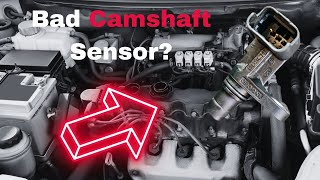
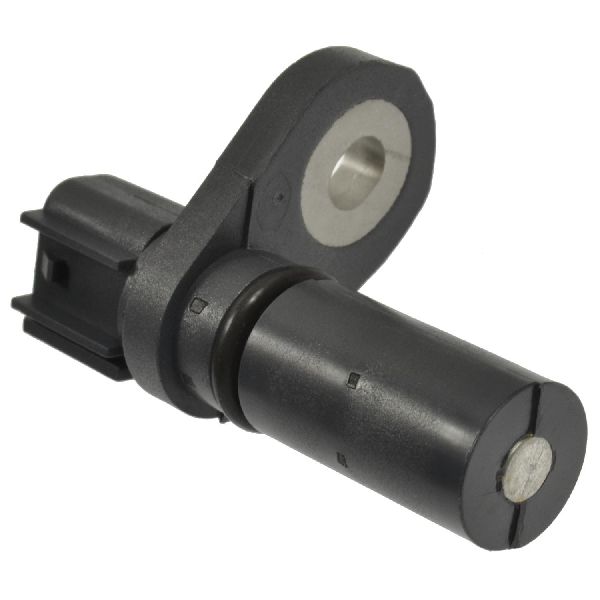
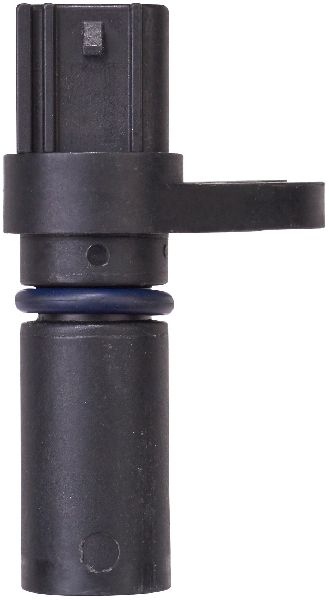
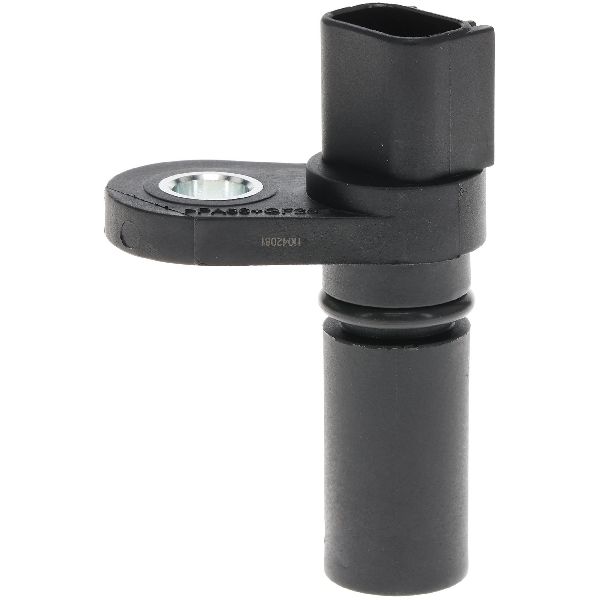
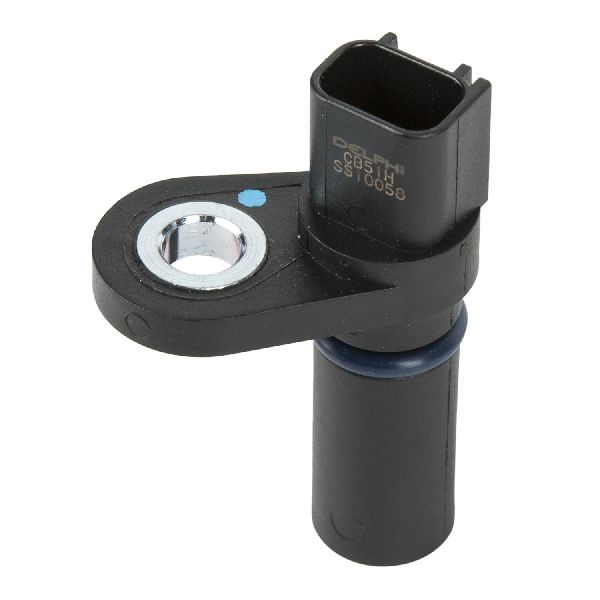
The sensor for the 1996-2003 Ford E-150 is a Hall-effect sensor that generates a digital signal for the PCM. It uses a 3-pin connector. On 4.2L V6 models, the sensor is part of the camshaft synchronizer assembly.
We Have This Part in Stock


The information in this article is provided for general reference and educational purposes only. Vehicle specifications, procedures, and part compatibility can vary by production date, trim level, and region. Always consult your vehicle's factory service manual and verify part numbers before purchasing or performing repairs. Safety-critical components such as airbags, seat belts, and braking systems should be installed by a qualified professional.
- Ford E-150 Econoline: