

Ford E-150 Econoline Oxygen Sensor Guide: 1996-2003
Fix your van's check engine light and poor gas mileage by understanding and choosing the right oxygen sensor.
- A bad O2 sensor will trigger the Check Engine Light and hurt your fuel economy.
- Use a quality direct-fit aftermarket brand like Bosch, Denso, or NGK/NTK for a reliable repair.
- Correctly identify the sensor location (Bank and Position) from the code before buying a replacement.
- Ignoring a bad O2 sensor can lead to costly catalytic converter damage over time.
Is Your E-150's Oxygen Sensor Failing?
A bad oxygen sensor is a common issue on many vehicles, including the Ford E-150. When a sensor fails, it can't send the correct information to the engine's computer. This often leads to a noticeable decline in performance and fuel economy. Ignoring a failing O2 sensor can eventually lead to more expensive repairs, like a damaged catalytic converter.
Symptoms of a Bad Oxygen Sensor
- Check Engine Light: This is the most common sign. The light will turn on when the computer detects a problem with the sensor's signal or its internal heater circuit.
- Poor Fuel Economy: If the computer gets bad data, it may inject too much fuel, causing you to visit the gas station more often.
- Rough Idle or Engine Misfires: An incorrect air-fuel mixture can make your van's engine run poorly, shake, or hesitate.
- Failed Emissions Test: A bad O2 sensor will prevent your van from passing a smog check.
- Black Smoke or Rotten Egg Smell: In some cases, a very rich fuel mixture can cause black smoke from the tailpipe. A rotten egg smell often points to a failing catalytic converter, which can be caused by a bad O2 sensor.
Choosing the Right Aftermarket Oxygen Sensor
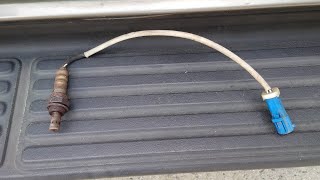
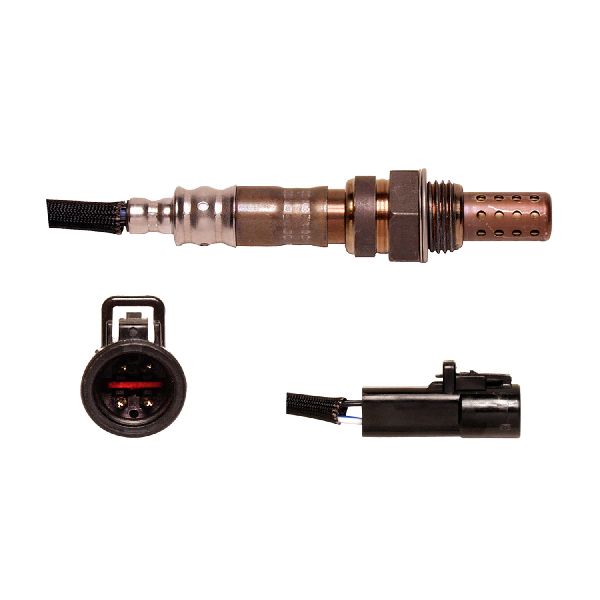
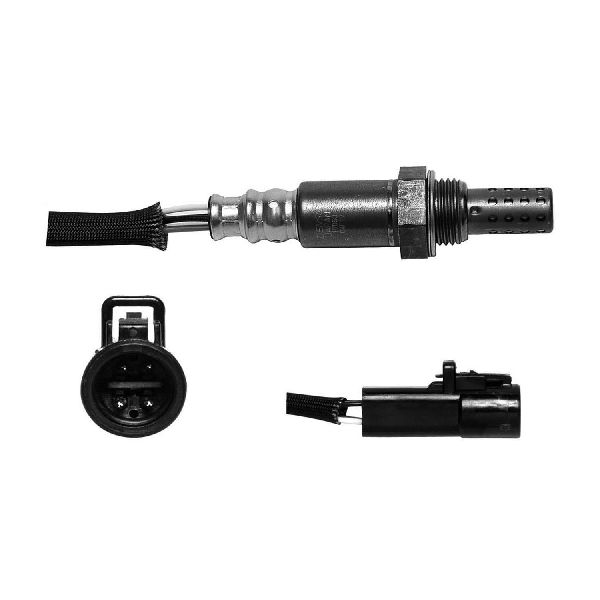
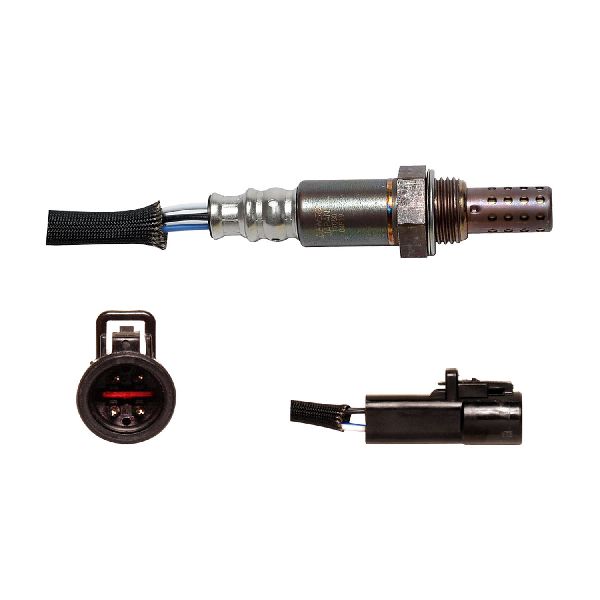
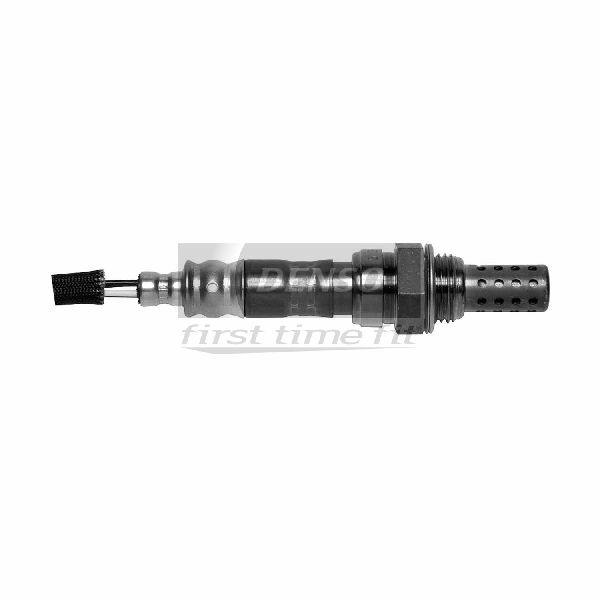
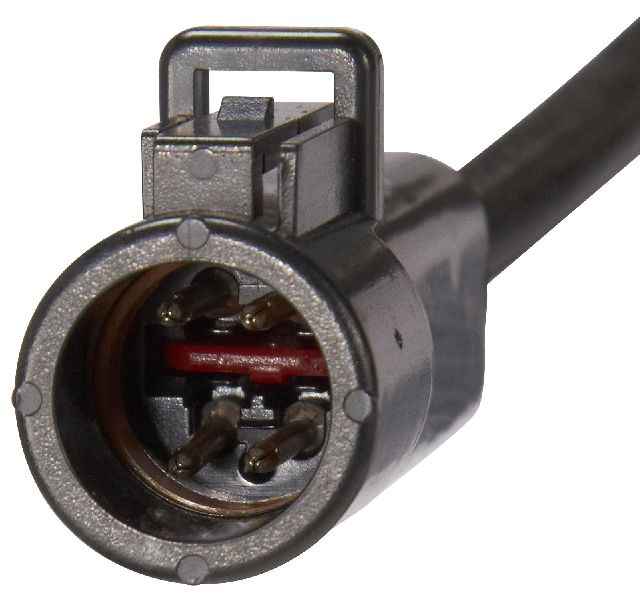
For the 1996-2003 E-150, the original factory (OEM) brand is Motorcraft. However, high-quality aftermarket brands offer reliable performance, often at a lower cost. It is critical to buy a 'direct-fit' sensor with the correct plug, not a universal one that requires cutting and splicing wires.
Brand Quality Tiers
- Top Tier (OEM Equivalents): Brands like Bosch, Denso, and NGK (also sold as NTK) are excellent choices. They are major original equipment suppliers to many automakers, and their aftermarket parts are built to meet or exceed factory specifications. Forum discussions among Ford truck owners often recommend these brands as reliable alternatives to Motorcraft.
- Mid-Grade (Reliable Aftermarket): Brands like Delphi, Walker Products, and Spectra offer a good balance of quality and value. They are established names in the aftermarket and provide a dependable repair for a daily driver.
- Economy Tier: Brands like DriveWire and other private labels can be a budget-friendly option. While functional, their long-term durability and sensor accuracy may not match the top-tier brands.
Common Ordering Mistake: Wrong Location
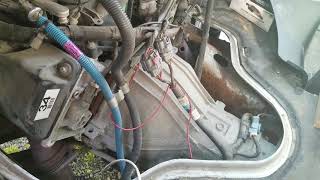
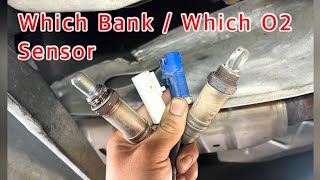
Your E-150 has multiple oxygen sensors. V8 and V6 engines have different layouts. A diagnostic code like 'P0156' points to a specific sensor (Bank 2, Sensor 2). It is crucial to identify the correct location before ordering. Replacing the wrong sensor will not fix the problem.
- Bank 1 is on the passenger side of the engine.
- Bank 2 is on the driver's side of the engine.
- Sensor 1 is upstream (before the catalytic converter).
- Sensor 2 is downstream (after the catalytic converter). 🎬 See how to replace a downstream sensor on an Econoline.
Known Issues, TSBs, and Recalls
No safety recalls have been issued by the NHTSA specifically for oxygen sensor failure on the 1996-2003 Ford E-150 Econoline. However, Ford did release a Technical Service Bulletin (TSB 01-9-7) that provides service tips for Heated Oxygen Sensors (HO2S) on many models, including the Econoline. This bulletin details common diagnostic trouble codes related to heater circuit malfunctions (P0135, P0141, P0155, P0161), which are the most frequent cause of O2 sensor failure.
| Part Type | Estimated Cost |
|---|---|
| New Aftermarket | $34.81 - $83.82 |
| New OEM (Motorcraft) | $70 - $110 |
| Shop Labor | $80 - $150 per sensor |
Frequently Asked Questions (FAQ)
How hard is it to replace an E-150 oxygen sensor myself? 🎬 Watch: A complete walkthrough on changing an E-150 oxygen sensor.
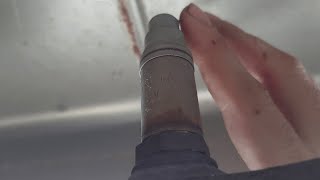
The replacement is feasible for a DIY mechanic. The main difficulty is accessing the sensor and removing it if it's rusted into the exhaust pipe. You will need a special 7/8" (or 22mm) oxygen sensor socket with a slit for the wire. 🎬 Watch: Using a specialized socket to remove a stuck sensor. Soaking the sensor with penetrating oil beforehand and even using a torch to heat the exhaust bung can help loosen a stuck sensor.
How many oxygen sensors does my 1996-2003 E-150 have?
Most vans in this year range will have either two or four oxygen sensors, depending on the specific year and emissions configuration. OBD-II compliant vehicles (1996 and newer) typically have one upstream and one downstream sensor for each bank of cylinders. V8 engines have two banks, so they usually have four sensors.
What are the most common O2 sensor codes for this van?
Heater circuit malfunction codes are very common. These include P0135 (Bank 1, Sensor 1), P0141 (Bank 1, Sensor 2), P0155 (Bank 2, Sensor 1), and P0161 (Bank 2, Sensor 2). These codes mean the internal heating element that helps the sensor warm up quickly has failed.
Should I replace all the sensors at once?
It is not always necessary. You can replace only the one that has failed. However, oxygen sensors have a limited lifespan and tend to fail around the same time due to age and mileage. If your van has high mileage and one sensor fails, the others may not be far behind. Replacing them in pairs (both upstream or both downstream) or all at once can be a good preventative measure.
Helpful Videos
Technical Specifications
OEM Part Numbers: DY-1401 DY-1069
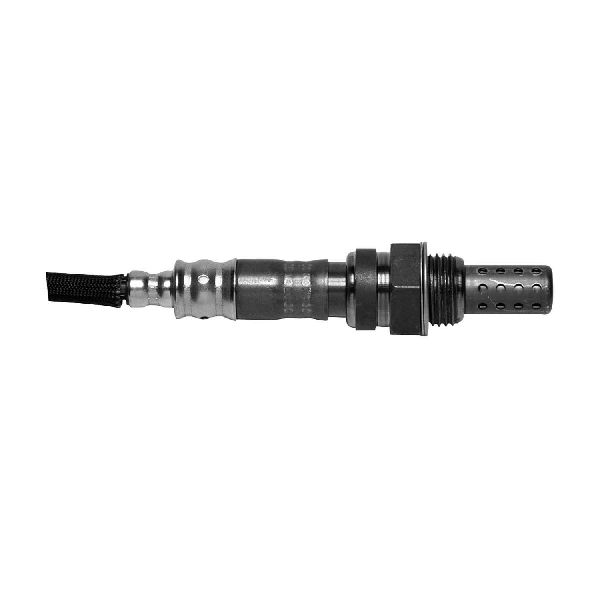
Your van uses 4-wire heated oxygen sensors (HO2S). Part numbers vary based on engine size (4.2L V6, 4.6L V8, 5.0L V8, 5.4L V8), model year, and sensor location (upstream/downstream, left/right). Always verify the part fits your specific vehicle configuration before purchase. A 7/8" (22mm) slotted socket is required for removal and installation.
We Have This Part in Stock

The information in this article is provided for general reference and educational purposes only. Vehicle specifications, procedures, and part compatibility can vary by production date, trim level, and region. Always consult your vehicle's factory service manual and verify part numbers before purchasing or performing repairs. Safety-critical components such as airbags, seat belts, and braking systems should be installed by a qualified professional.
- Ford E-150 Econoline: