

Choosing the Right Spark Plugs for Your 1996-2003 Honda Accord
Keep your Accord's engine running strong by understanding your spark plug options.
- Stick with OEM brands NGK or Denso for the best results in your 1996-2003 Accord.
- Verify if you have a 4-cylinder or V6 engine, as they use different spark plugs.
- Upgrading to Iridium plugs offers the longest lifespan and is a worthwhile investment for most owners.
- If you find oil on top of your spark plugs, you need to replace the valve cover and spark plug tube seals.
Symptoms of Failing Spark Plugs

When spark plugs wear out, they can't do their job effectively. This can cause a range of problems with your Accord's engine. You might notice one or more of these signs when it's time for a replacement.
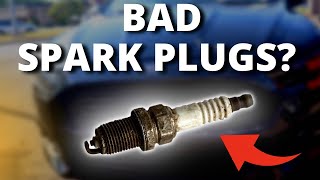
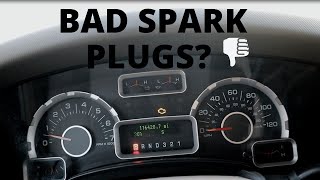
🎬 Watch: A visual guide to symptoms of bad spark plugs.- Rough Idle: Your engine may sound unsteady or feel shaky when you're stopped at a light.
- Poor Acceleration: The car might feel sluggish or hesitant when you press the gas pedal.
- Reduced Fuel Economy: If you're filling up your gas tank more often than usual, failing spark plugs could be the cause.
- Engine Misfires: You might feel a stutter or hesitation from the engine while driving. This can trigger the Check Engine Light.
- Difficulty Starting: A weak spark can make it harder for the engine to turn over and start.
Choosing an Aftermarket Spark Plug

When shopping for spark plugs for your 1996-2003 Accord, you'll find several types and brands. Understanding the differences will help you make the best choice for your car.
OEM Quality vs. Aftermarket
For Honda, the Original Equipment Manufacturer (OEM) for spark plugs is typically NGK or Denso. This means that when you buy an NGK or Denso spark plug from an aftermarket supplier, you are often getting the exact same quality and performance as a part from a Honda dealership, but usually at a better price. Both brands are highly recommended by Honda owners and mechanics for their reliability and compatibility. Some V6 Accords even came from the factory with NGK plugs on one cylinder bank and Denso plugs on the other.
Brand Tiers for Your Accord
Not all spark plug brands are created equal, especially for a Honda engine. Sticking with proven brands is your best bet.
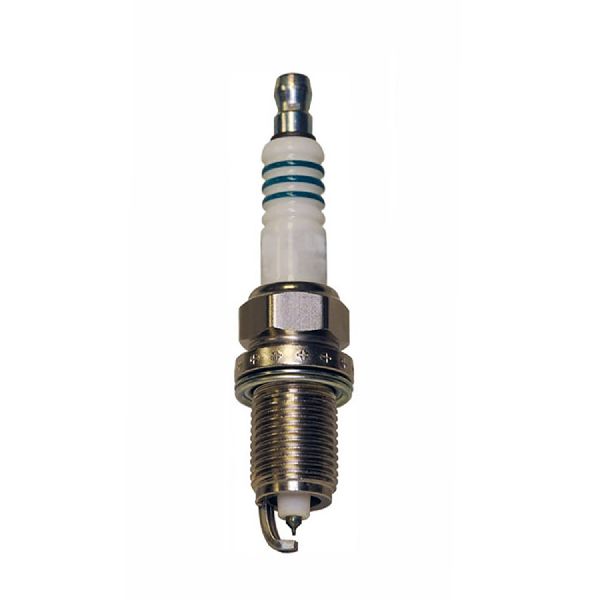
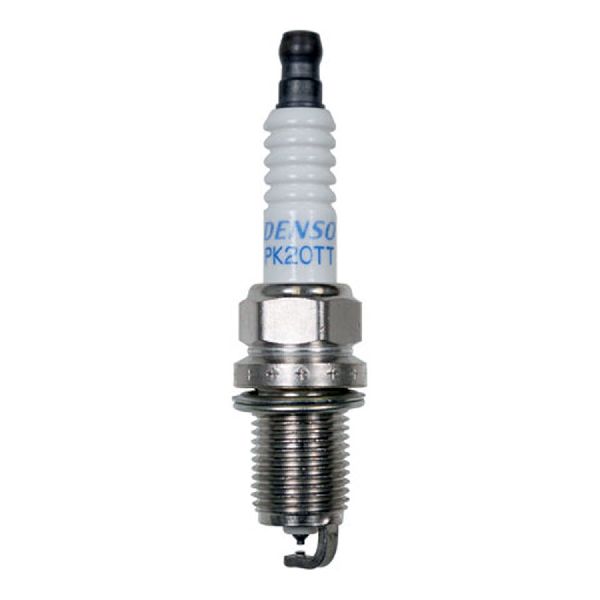
- Top Tier (OEM Equivalent): NGK and Denso are the gold standard for the 1996-2003 Accord. They offer standard copper, platinum, and iridium plugs that are designed to work perfectly with your car's ignition system. Using the specific NGK or Denso part number listed for your engine (4-cylinder or V6) is the safest choice for factory-like performance.
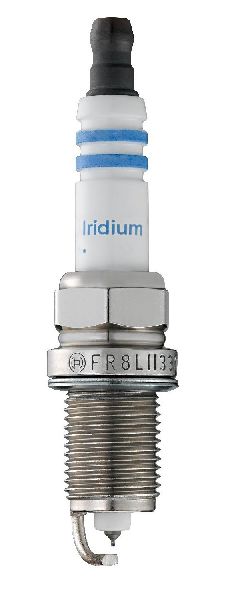
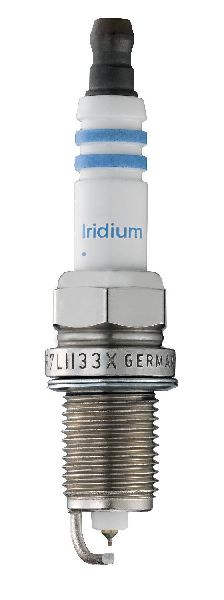
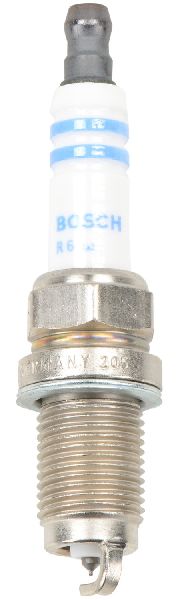
- Reliable Mid-Range: Brands like Bosch and Autolite offer good quality platinum and iridium plugs that can be a suitable alternative. However, Honda ignition systems can sometimes be picky, so many owners prefer to stick with the OEM brands to avoid any potential issues.
- Budget/Other Brands: Champion, Accel, and ACDelco are also available. While they may be cheaper, they are not typically recommended for Honda vehicles, as they are not designed with the specific needs of Honda engines in mind. It's generally best to invest a few extra dollars in NGK or Denso plugs to ensure smooth operation.
Spark Plug Materials: Copper, Platinum, and Iridium
The material of the spark plug's electrode affects its performance and lifespan.
- Copper/Nickel: These are the most basic plugs. They were standard on many earlier 4-cylinder Accords, like the NGK ZFR5F-11. They offer good performance but have the shortest lifespan, typically needing replacement every 30,000 miles.
- Platinum: These plugs last longer than copper, often up to 60,000 miles. Later and V6 models of the Accord often came with platinum plugs, such as the NGK PZFR5F-11. They are a great middle-ground for durability and cost.
- Iridium: This is the premium option, offering the best performance and longest life, often lasting up to 100,000 miles or more. Plugs like the NGK Iridium IX or Denso Iridium Long-Life are popular upgrades for Accord owners looking for maximum longevity and a strong, consistent spark.
Pro Tip: 4-Cylinder vs. V6 Engines
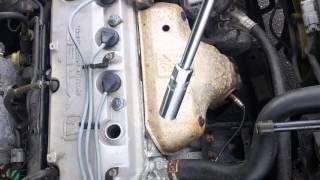
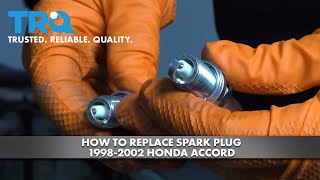
The 4-cylinder and V6 engines in the 1996-2003 Accord use different spark plugs. Always confirm which engine your car has before buying. The V6 requires six plugs, while the 4-cylinder needs four. The rear three plugs 🎬 See this step-by-step spark plug replacement walkthrough. on the V6 engine are more difficult to access than the plugs on a 4-cylinder engine.
Known Issues

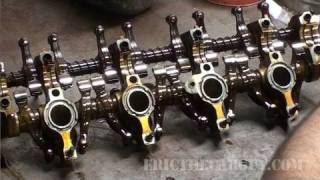
A common issue not with the plugs themselves, but with the engine, is oil leaking into the spark plug tubes. This is caused by aging valve cover gaskets and spark plug tube seals. If you pull out a spark plug and find its top is covered in oil, these seals need to be replaced. The oil can cause the spark to fail, leading to a misfire.
🎬 Watch: How to fix oil leaking into spark plug wells.| Plug Type | Typical Price Range (per plug) | Common Brands |
|---|---|---|
| Copper/Nickel | $3 - $6 | NGK, Denso |
| Platinum | $7 - $15 | NGK, Denso, Bosch, Autolite |
| Iridium | $10 - $22 | NGK, Denso, Bosch, Champion |
Frequently Asked Questions
Do I need to gap my new spark plugs?
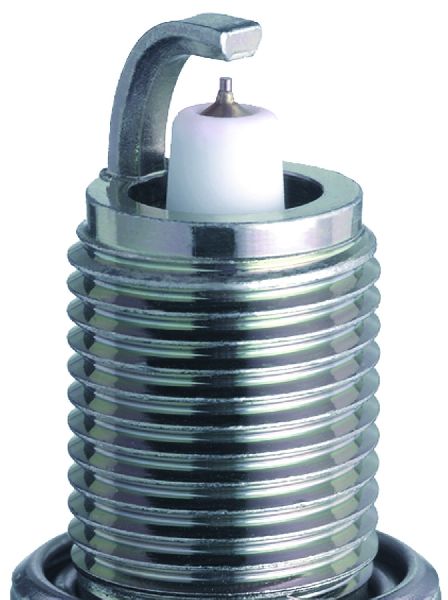
Most modern NGK and Denso plugs, especially platinum and iridium types, come pre-gapped from the factory for your specific vehicle. It is generally not recommended to try and gap them yourself, as you can easily damage the fine, brittle electrode tip. Always double-check the part number to ensure it's the correct, pre-gapped plug for your Accord.
How often should I replace my Accord's spark plugs?
This depends on the type of plug. Standard copper plugs should be changed around every 30,000 miles. Platinum or iridium plugs can last much longer, with recommended intervals ranging from 60,000 to over 100,000 miles. Check your owner's manual for the specific interval for your car's original plugs.
Should I upgrade to Iridium plugs?
If your Accord came with copper or platinum plugs, upgrading to Iridium is a popular choice. They provide a longer service life, meaning you won't have to change them as often, and offer a very stable spark for consistent engine performance. For many owners, the extra cost is worth the convenience and peace of mind.
What is the most common mistake when ordering spark plugs?
The most common mistake is ordering the wrong plug for your specific engine. The 1996-2003 Accord was available with different 4-cylinder engines (F22B2, F23A1, etc.) and a V6 engine (J30A1), and they do not all use the same spark plug. Always verify your engine type and use a parts catalog to match the correct NGK or Denso part number to your vehicle.
Helpful Videos
Technical Specifications
OEM Part Numbers: 98079-5514G 98079-5515G 98079-5514N
Spark plug selection is dependent on the specific engine in your Accord. The 4-cylinder engines often used standard copper (NGK ZFR5F-11) or platinum plugs. The V6 models and later 4-cylinder models typically used platinum (NGK PZFR5F-11) or iridium plugs. The recommended torque specification is typically 13 ft-lbs.
We Have This Part in Stock

The information in this article is provided for general reference and educational purposes only. Vehicle specifications, procedures, and part compatibility can vary by production date, trim level, and region. Always consult your vehicle's factory service manual and verify part numbers before purchasing or performing repairs. Safety-critical components such as airbags, seat belts, and braking systems should be installed by a qualified professional.
- Honda Accord: