

Toyota 4Runner Suspension Ball Joint Guide: 1996-2003
For the 3rd Gen 4Runner, choosing the right lower ball joint is a critical safety decision, not a simple part purchase.
- For lower ball joints, ONLY use Genuine Toyota (OEM) parts to prevent catastrophic failure.
- The lower ball joint design on the 1996-2003 4Runner is a known weak point that can lead to total loss of steering if it fails.
- Inspect ball joints regularly for play; do not ignore clunking, squeaking, or steering wander.
- Always use new OEM bolts when replacing lower ball joints.
A Critical Weak Point: The 3rd Gen 4Runner Lower Ball Joint
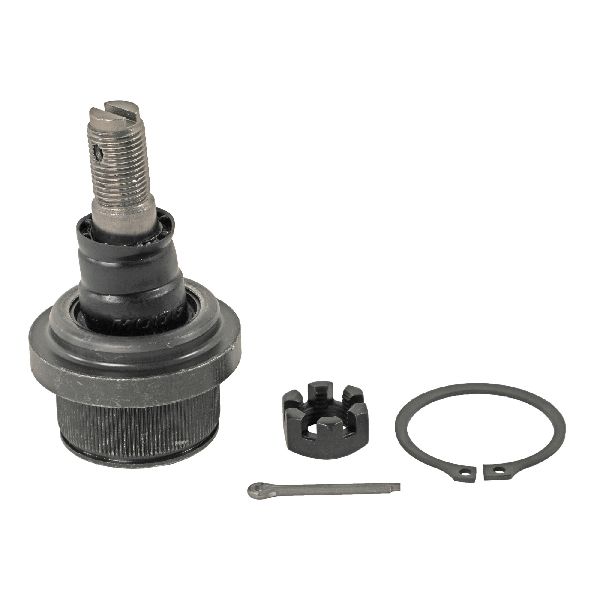
If you own a 1996-2003 Toyota 4Runner, the front lower ball joints are the single most critical suspension component you need to pay attention to. Due to the suspension design, the entire weight of the front of the truck is constantly trying to pull the lower ball joint stud out of its socket. When this joint fails, it doesn't just get loose; it can separate completely, causing the wheel to fold underneath the vehicle. This results in a sudden and total loss of steering control.
WARNING: Catastrophic Failure Risk
Numerous owner reports and mechanic consensus confirm that using aftermarket lower ball joints on a 1996-2003 4Runner can lead to premature and catastrophic failure. The wheel can detach from the vehicle without warning, leading to a serious accident. For this specific part and vehicle, the overwhelming recommendation is to use only Genuine Toyota (OEM) parts for the lower ball joints.
Known Issues, Recalls, and Service Campaigns
In May 2005, Toyota issued a Special Service Campaign (SSC 50J) for front lower ball joints on certain 2001-2002 4Runner models. The recall noted that a manufacturing issue could cause the joint to wear prematurely and potentially separate. While the recall only covered those specific model years, the underlying suspension design issue is present on all 1996-2003 4Runners. You can check with a Toyota dealer to see if your vehicle had the recall performed.
Choosing the Right Aftermarket Part: A Brand Tier Guide
When it comes to lower ball joints for this 4Runner, not all brands are created equal. The choice is a matter of safety, not just performance or price.
Tier 1: Mission-Critical (The Only Recommended Choice for Lower Ball Joints)
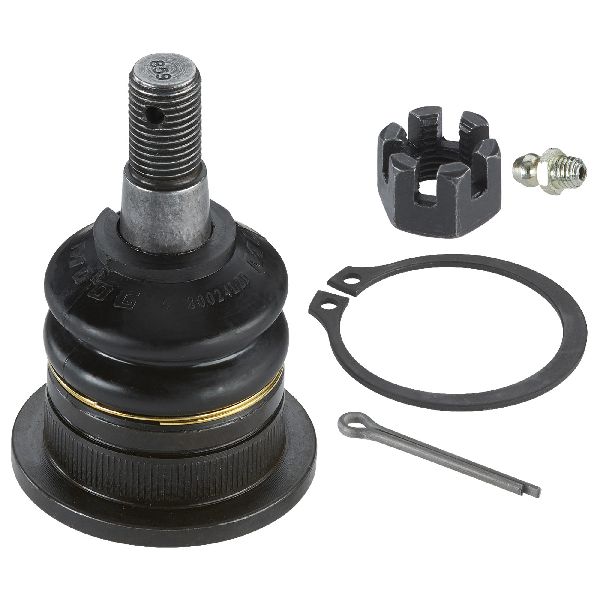
- Toyota (Genuine OEM): This is the only brand trusted by the 4Runner community for lower ball joints. The materials and design are proven to last in this high-stress application. While more expensive, the cost is insignificant compared to the damage from a failure. Owner testimonials repeatedly show aftermarket brands failing in as little as a year, while original OEM joints can last over 100,000 miles.
Tier 2: Use With Extreme Caution (Upper Ball Joints Only)
For the upper ball joints, which are not subject to the same catastrophic failure mode, some aftermarket brands are considered acceptable. For the lower ball joints, even reputable aftermarket brands are strongly discouraged by owners who have experienced failures.
- Sankei 555: Often cited as the original manufacturer for Toyota, this is considered the next-best option if OEM is absolutely not available. However, be aware that parts sold under the 555 brand in the aftermarket may not have the same quality control as those supplied directly to Toyota.
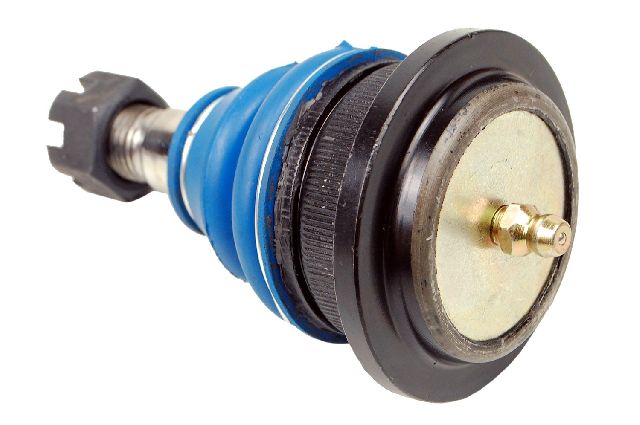
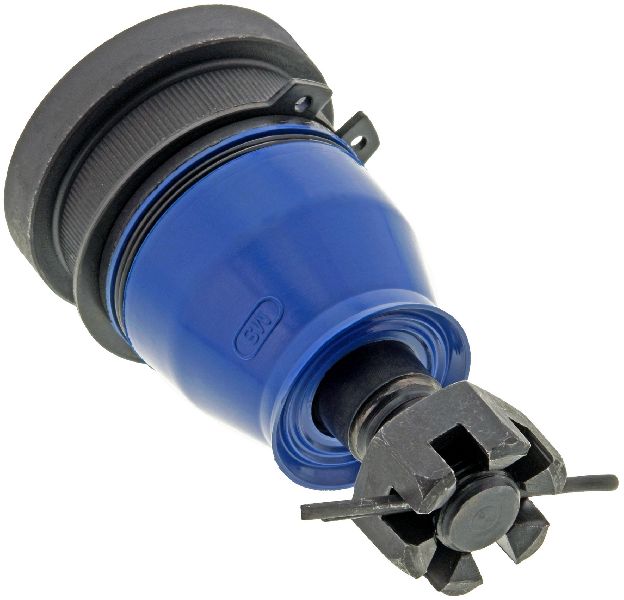
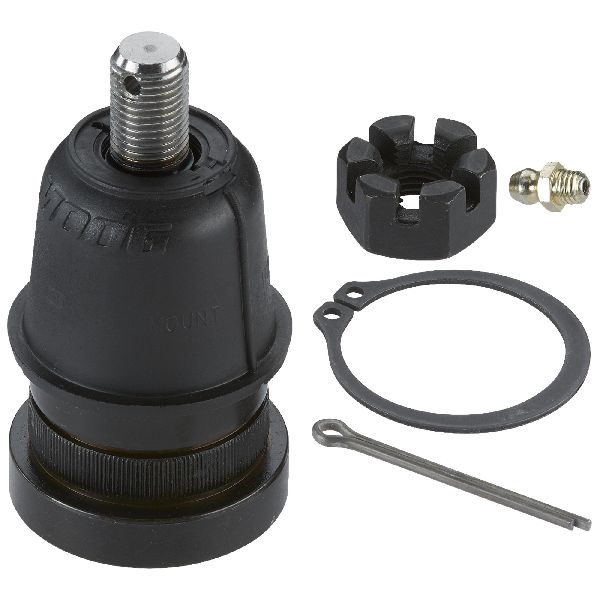
- Moog, Mevotech, Delphi, etc.: While these are established brands, they are not recommended for the lower ball joints on this vehicle. Forum and Reddit discussions are filled with failure stories from owners who used these brands on their lower ball joints, sometimes with catastrophic results on the highway. These brands may be an acceptable budget option for the less critical upper ball joints.
Tier 3: High-Performance / Off-Road
- ICON Vehicle Dynamics: ICON offers high-performance suspension components, including uniball conversions for upper control arms. These are specialized parts for off-road use and are not a standard replacement.
Pro Tip: Replace the Bolts!
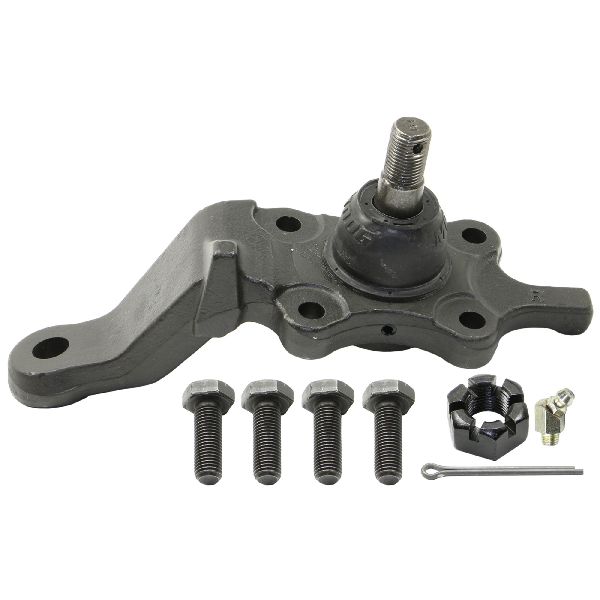
When you replace your lower ball joints, always use new OEM bolts. The four bolts that hold the ball joint to the steering knuckle are critical. Re-using old, stretched bolts is a major safety risk. The OEM part number for the bolt kit is often sold separately.
Cost to Replace a 1996-2003 4Runner Ball Joint
| Part / Service | Estimated Cost (Per Side) |
|---|---|
| New OEM Lower Ball Joint | $120 - $180 |
| New Aftermarket Lower Ball Joint | $25 - $80 |
| Shop Labor | $180 - $260 |
| Total Professional Replacement (OEM Part) | $300 - $440 |
Costs are estimates and can vary by location and shop. Total cost does not include taxes, fees, or a necessary wheel alignment after replacement.
Frequently Asked Questions (FAQ)
Is it really necessary to use OEM lower ball joints?
Yes. For the 1996-2003 4Runner, this is a critical safety issue. The internet is full of examples of aftermarket lower ball joints failing catastrophically on these trucks. The OEM part is engineered to handle the specific stresses of this suspension design. Do not risk your safety to save a small amount of money.
What's the difference between upper and lower ball joints?
The lower ball joint supports the vehicle's weight and is under constant tension, which is why it can fail catastrophically. The upper ball joint acts more as a pivot point and is not under the same type of load. While you should still use a quality part for the upper joint, the OEM-only rule is less critical than it is for the lower joint.
How often should I replace my lower ball joints?
There is no set interval, but they are a wear item. It is essential to inspect them at every oil change or at least every 15,000 miles. Check for any play by jacking up the front end and trying to move the wheel vertically. Replace them immediately if you notice any symptoms like clunking, squeaking, or looseness in the steering. If you have recently purchased a used 3rd Gen 4Runner and do not know the service history, replacing the lower ball joints with OEM parts should be a top priority for peace of mind.
Can I replace just one side?
While you can replace only the failed side, ball joints are typically replaced in pairs. If one has failed due to age and mileage, the other is likely not far behind. Replacing both at the same time saves you from a second repair bill and another wheel alignment in the near future.
Technical Specifications
OEM Part Numbers: Right Lower: 43330-39585 (replaces 43330-39575, 43330-39415) Left Lower: 43340-39465 (replaces 43340-39455) Right Upper: 43310-39016 Left Upper: 43320-39016
The key specification is the use of a non-failsafe, tension-loaded design for the lower ball joint, which is unique to this generation and related Toyota trucks.
We Have This Part in Stock

The information in this article is provided for general reference and educational purposes only. Vehicle specifications, procedures, and part compatibility can vary by production date, trim level, and region. Always consult your vehicle's factory service manual and verify part numbers before purchasing or performing repairs. Safety-critical components such as airbags, seat belts, and braking systems should be installed by a qualified professional.
- Toyota 4Runner:
- 🛍️ Shop This Part
- A Critical Weak Point: The 3rd Gen 4Runner Lower Ball Joint
- WARNING: Catastrophic Failure Risk
- Known Issues, Recalls, and Service Campaigns
- Choosing the Right Aftermarket Part: A Brand Tier Guide
- Tier 1: Mission-Critical (The Only Recommended Choice for Lower Ball Joints)
- Tier 2: Use With Extreme Caution (Upper Ball Joints Only)
- Tier 3: High-Performance / Off-Road
- Pro Tip: Replace the Bolts!
- Cost to Replace a 1996-2003 4Runner Ball Joint
- Frequently Asked Questions (FAQ)
- 🎟️ Get 5% Off