

Audi A4 Engine Camshaft Chain Tensioner and VVT Solenoid Guide (1996-2004)
That rattling noise from your 1.8T engine could be a sign of a failing VVT system.
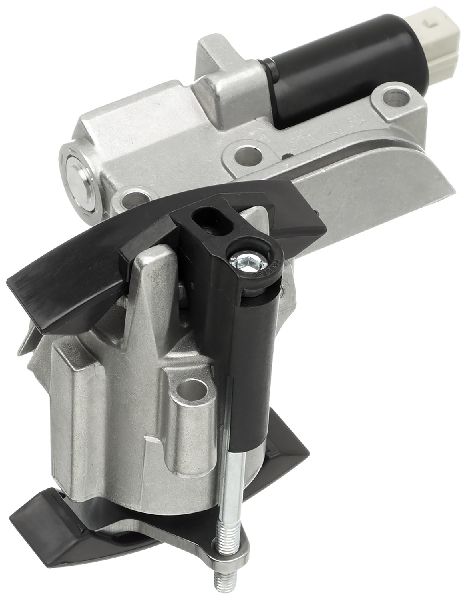
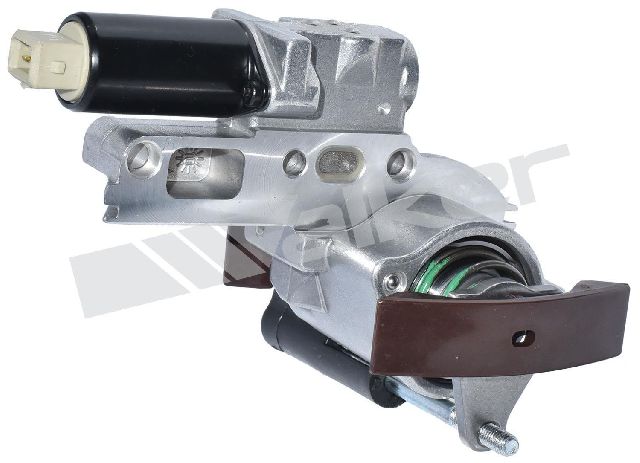
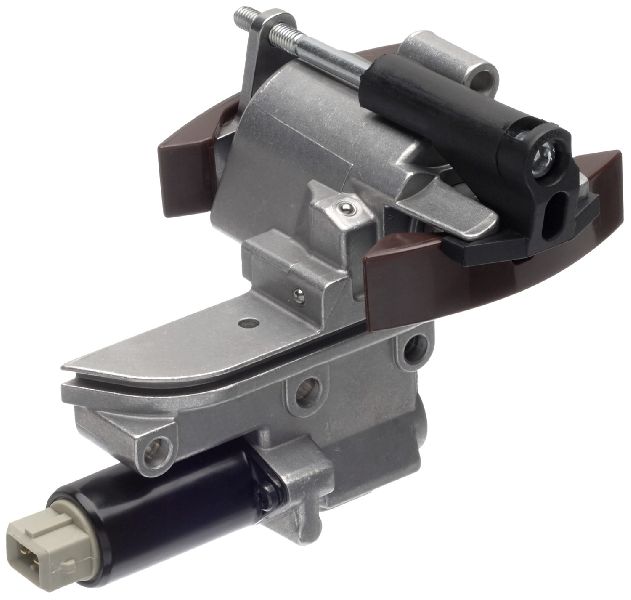
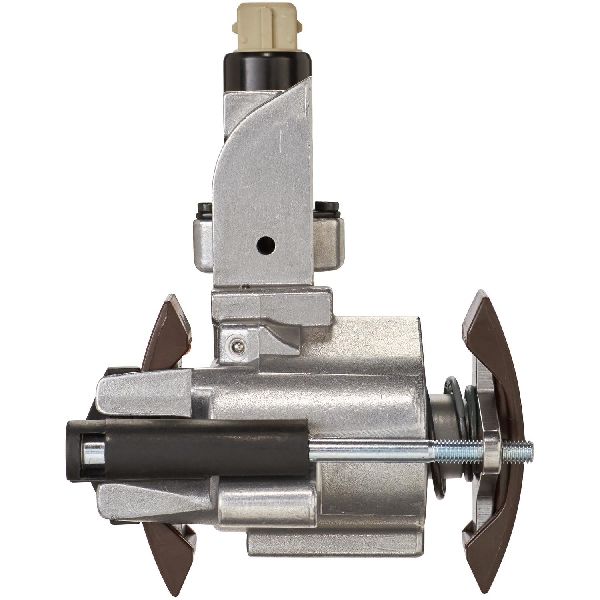
- On these Audis, the 'VVT Solenoid' is part of the complete Camshaft Chain Tensioner (CCT) assembly.
- A rattling noise from the back of the engine is the number one sign of a failing tensioner; do not ignore it.
- Part quality is critical. Using cheap, unbranded aftermarket parts creates a high risk of catastrophic engine failure.
- Regular oil changes with the correct oil are the best preventative maintenance for this component.
Understanding the VVT Solenoid on Your B5/B6 Audi A4
When shopping for a VVT solenoid for a 1996-2004 Audi A4, it's critical to know that you are almost always looking for the complete camshaft chain tensioner (CCT) assembly. The solenoid is the electronic part of this larger mechanical unit. This assembly is a known failure point on the 1.8T engines found in the B5 (1996-2001) and B6 (2002-2004) chassis. Failure is often due to wear on the tensioner's plastic guide pads or internal failure of the hydraulic tensioner or solenoid itself.
Symptoms of a Failing Cam Chain Tensioner & VVT Solenoid
A failing CCT assembly will give you clear warning signs. Ignoring them can lead to much more expensive engine damage.
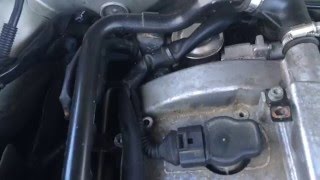
- Engine Rattle: The most common symptom is a distinct metallic rattling or diesel-like clatter coming from the back of the engine near the firewall. This noise 🎬 Watch: Hear what a failing tensioner sounds like is often loudest on a cold start or at low RPMs (between 1,500 and 2,000 RPM) and may quiet down as oil pressure builds.
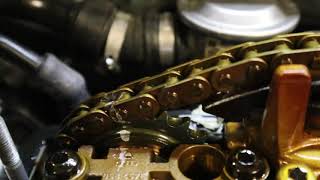
- Check Engine Light: The computer will detect that the camshaft timing is incorrect and trigger a Check Engine Light. You will likely see fault codes such as P0011 (Camshaft Position Timing Over-Advanced), P0010, 🎬 See how to diagnose and fix the P0011 fault code or P0012.
- Poor Engine Performance: You may experience a rough, shaky idle, hesitation when accelerating, a general feeling of sluggishness, or even engine stalling.
- Decreased Fuel Economy: When the engine can't efficiently manage its valve timing, your gas mileage will suffer.
Oil is Everything
The leading cause of VVT and tensioner failure is dirty or sludgy engine oil. The system relies on clean oil flowing through very small passages. Following your oil change schedule with the correct type of oil is the best way to prevent premature failure.
Choosing the Right Aftermarket Part: Quality Matters
Because a complete failure of this part can cause the timing chain to jump, leading to catastrophic engine damage, part quality is extremely important. This is not a part where you should choose the cheapest option available.
- Top Tier (OEM/OE Supplier): The safest bet is to use a genuine Audi part or one from an Original Equipment (OE) supplier. These parts are built to the original specifications and offer the highest reliability. Forum members and mechanics strongly recommend this route for critical components like the CCT.
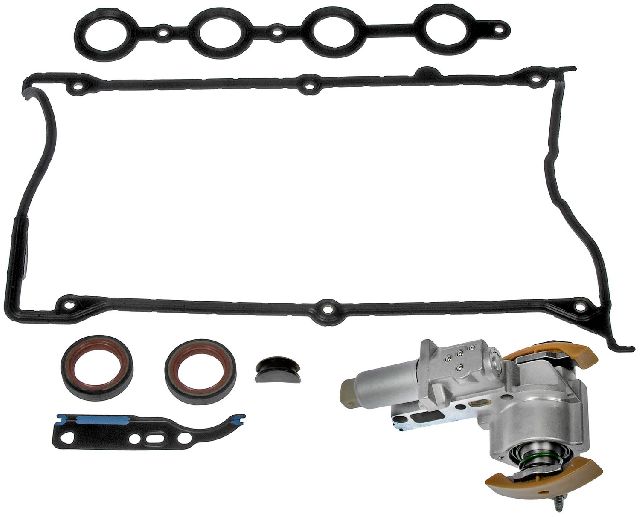
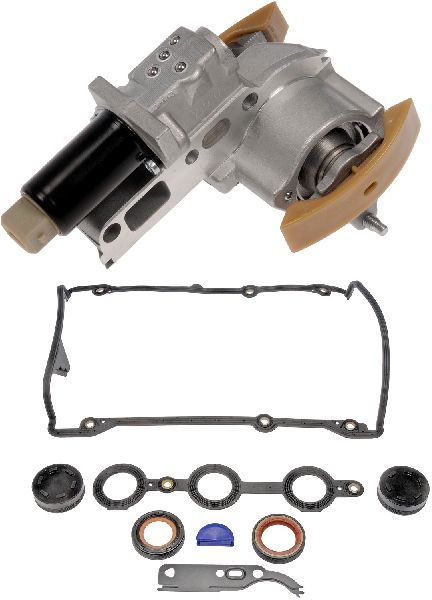
- Reputable Aftermarket: Brands like Dorman offer a complete kit that often includes the tensioner assembly, valve cover gasket, and the special tool needed to compress the tensioner for installation. Some owners have reported success with these reputable brands, but the consensus is to stick with OEM if the budget allows.
- Budget Brands (Use with Caution): There are many low-cost, unbranded tensioners available online. These are widely discouraged by the Audi community. The risk of premature failure and potential for engine destruction is too high to justify the initial savings.
| Part Type | Estimated Cost |
|---|---|
| New OEM Assembly | $600 - $1000 |
| New Aftermarket Assembly | $143.38 - $919.52 |
| Shop Labor | $350 - $650 |
Note: The wide price range in aftermarket parts often reflects a significant difference in quality. High-quality aftermarket kits will be in the upper end of the price range.
Frequently Asked Questions (FAQ)
Can I just replace the VVT solenoid and not the whole tensioner?
For the 1996-2004 A4, the solenoid is integrated into the tensioner assembly and is generally not sold separately. Even if you could, the most common failure points are the mechanical parts of the tensioner (like the pads), so replacing the entire unit is the correct repair.
Is this a difficult part to replace myself?
This is a job for an experienced DIYer. It involves removing the valve cover, using a special tool to compress the chain tensioner, and being extremely careful not to allow the camshafts to move independently, which could damage your engine. If you are not comfortable with this level of engine work, it is best left to a professional mechanic.
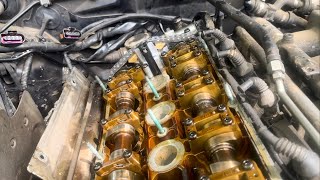
🎬 Watch: A complete walkthrough of the tensioner replacement processWhat happens if I keep driving with a rattling tensioner?
Continuing to drive with a failing tensioner is a major risk. The plastic guide pads can break apart and fall into the engine, and the chain can lose enough tension to jump a tooth on the cam gears. This will throw the engine's timing off, causing pistons to hit valves and resulting in catastrophic and expensive engine failure.
Are there any recalls for this part?
Searches of the NHTSA database did not show any specific safety recalls for the camshaft chain tensioner or VVT solenoid on the 1996-2004 Audi A4. However, the issue is widely documented in owner forums and is considered a common problem.
Helpful Videos


Technical Specifications
OEM Part Numbers: 058109088K 058109088E 058109088D 058109088L 058109088B
Hydraulic Camshaft Chain Tensioner Assembly with integrated Variable Valve Timing (VVT) Solenoid. Located at the rear of the cylinder head between the intake and exhaust camshafts.
We Have This Part in Stock

The information in this article is provided for general reference and educational purposes only. Vehicle specifications, procedures, and part compatibility can vary by production date, trim level, and region. Always consult your vehicle's factory service manual and verify part numbers before purchasing or performing repairs. Safety-critical components such as airbags, seat belts, and braking systems should be installed by a qualified professional.
- Audi A4: