

Audi A4 Quattro Engine Crankcase Breather Hose Guide (1996-2004)
A must-read for B5 and B6 Audi A4 Quattro owners dealing with oil leaks, rough idle, or check engine lights.
- The original plastic breather hoses on all 1996-2004 A4s will eventually become brittle and crack, causing vacuum leaks.
- For 1.8T engines, it is highly recommended to replace the entire breather system at once, as many parts are under the intake manifold.
- Upgrading to a silicone hose kit is a smart, long-term investment to prevent future failures, especially on the 1.8T.
- Always verify your engine code (e.g., ATW, AWM, AMB) and/or VIN, as there are multiple versions of the breather system for both 1.8T and V6 engines.
Understanding Breather Hose Failure in Your A4
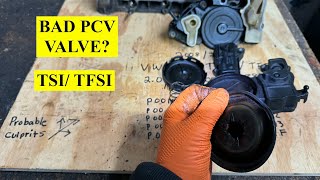
The crankcase breather system on the 1996-2004 (B5 and B6 generation) Audi A4 is a well-known weak spot. The original hoses are made from plastic and rubber that get hard and brittle from constant exposure to engine heat and oil fumes. Eventually, they will crack, break, or collapse. This is especially true for the complicated system of hoses on the 1.8T engine, many of which are hidden in high-heat areas under the intake manifold. Another major problem, particularly for the 1.8T, is the creation of a thick, milky oil sludge. This sludge, often caused by frequent short trips, not changing the oil on time, or moisture in the engine, can clog the narrow breather hoses and the PCV valve. This blockage traps pressure in the engine, which can force oil out of seals and gaskets.
🎬 Watch this video to see common symptoms of breather failure.Engine Differences Matter
The 1996-2004 A4 Quattro came with different engines, mainly the 1.8L 4-cylinder turbo (1.8T) and the 2.8L/3.0L V6. Their breather systems are completely different. The 1.8T uses a complex web of smaller plastic hoses that are notorious for cracking. The V6 engines use larger, multi-part breather assemblies that also get brittle but fail in different ways. It is critical to order parts that are specific to your engine. Always check your engine code (e.g., AEB, ATW, AWM, AMB for the 1.8T) or VIN when ordering.
Choosing the Right Aftermarket Part
When your factory breather hoses fail, you have several aftermarket options. The quality can vary, so it's important to choose wisely.
- Standard Replacement (OEM-Style): Brands like Febi, Vaico, and CRP often provide parts that are similar in design and material to the original factory parts. Vaico is known to be an original equipment manufacturer (OEM) for some VW/Audi parts, meaning they make the part for the factory. These are a good, affordable choice for a direct replacement. However, if they are made of the same plastic as the original, they may become brittle and fail again in the future.
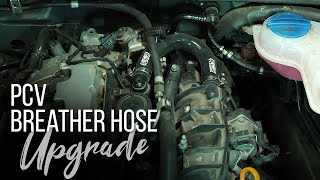
- Upgraded Silicone Kits: For 1.8T engines, many owners choose to upgrade to a complete silicone hose kit. Silicone is much more resistant to heat and oil, so it won't get brittle and crack like the factory plastic hoses. While more expensive upfront, a silicone kit can be a permanent solution, which is valuable considering the difficult labor involved in replacing hoses under the intake manifold.
- Budget-Friendly Options: Brands like URO Parts and Motormite (Dorman) often offer the most affordable solutions. While they can fix the immediate problem, forum discussions sometimes suggest their materials may not be as durable as higher-tier brands. For a part that is difficult to access, paying a bit more for a quality part can save you from doing the job twice. 🎬 See how to install a durable silicone breather hose upgrade.
Pro Tip: Replace the Whole System (Especially on 1.8T)
On the 1.8T engine, many of the most important breather hoses are buried under the intake manifold and are very difficult to access. If one hose has cracked from age and heat, the others are not far behind. It is strongly recommended to buy a complete breather hose kit and replace all the components at once. This will save you from having to do a difficult repair all over again in a few months.
Cost of New Aftermarket Breather Hoses
The cost to replace your breather hoses depends on your engine and which parts you choose to replace. A single hose can be inexpensive, but a complete kit will cost more.
| Part Type | Estimated Cost |
|---|---|
| Single Aftermarket Hose | $15 - $65 |
| Complete Aftermarket Kit (1.8T) | $75 - $200 |
| Aftermarket Silicone Kit (1.8T) | $150 - $350+ |
| Complete Aftermarket Assembly (V6) | $100 - $250 |
Note: Prices are estimates and can vary based on brand and supplier.
Frequently Asked Questions (FAQ)
Do I need to replace the PCV valve with the hoses?
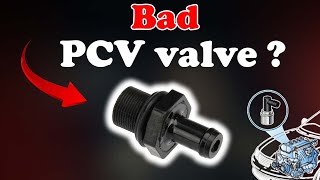
Yes, it is highly recommended. The PCV valve (or pressure regulating valve) is a key part of the system. It can get clogged with the same sludge that affects the hoses, or its internal diaphragm can tear. Since you are already replacing the hoses, replacing the relatively inexpensive valve at the same time is smart preventative maintenance.
🎬 Learn why you shouldn't ignore these bad PCV valve symptoms.Are silicone hoses worth the extra cost?
For the 1.8T engine, many owners and mechanics say yes. Silicone hoses are far more durable and resistant to the heat and oil that cause the original plastic parts to fail. Given the high labor cost or significant time investment to replace the hoses under the intake manifold, the extra expense for durable silicone parts is a smart investment to prevent future failures.
What are TSBs or Recalls for this issue?
There are no specific recalls for the crankcase breather hose system on the 1996-2004 Audi A4. However, Audi has issued several Technical Service Bulletins (TSBs) for related problems on similar engines, often addressing excessive oil consumption or vacuum leaks caused by failed PCV valves. A TSB is a notice to dealers about a known problem and a recommended repair procedure.
What's the difference between the 1.8T and V6 breather systems?
Both systems do the same job, but their designs are very different. The 1.8T system is a complex web of smaller hoses, check valves, and a PCV valve that is well-known for sludge problems and cracking. The 2.8L and 3.0L V6 engines use larger, more consolidated breather assemblies that also become brittle and break, but they have different failure points and require different part numbers. It is essential to order parts that are specifically for your engine type.
Helpful Videos

Technical Specifications
OEM Part Numbers: 06B103221L 06B103224E 06A103213AM 06B103213AK 06A103245F 078103213B 058103213 078103223B
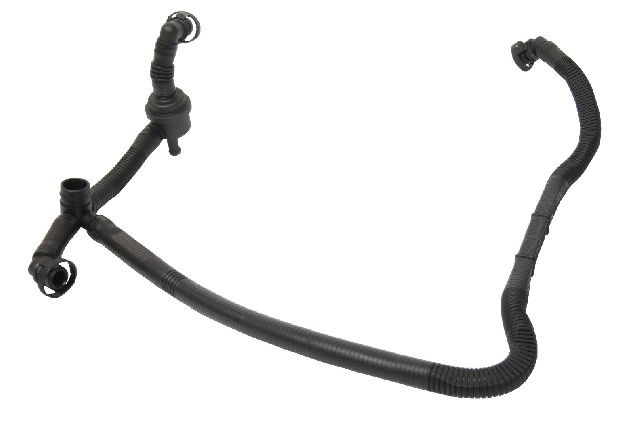
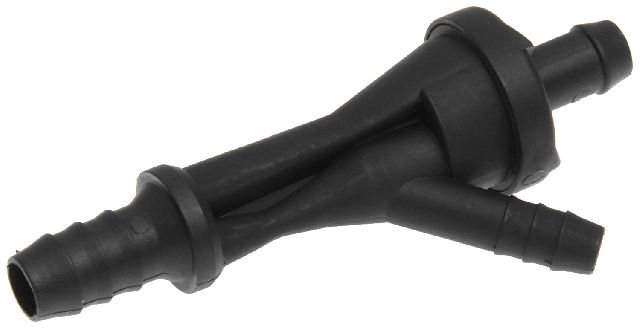
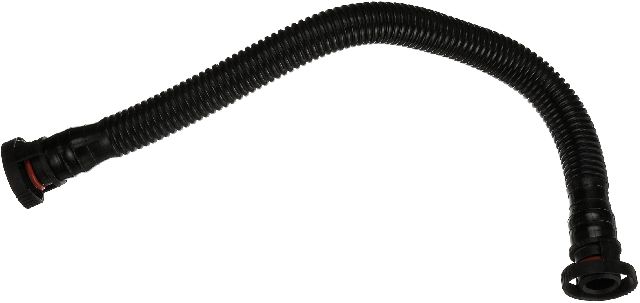
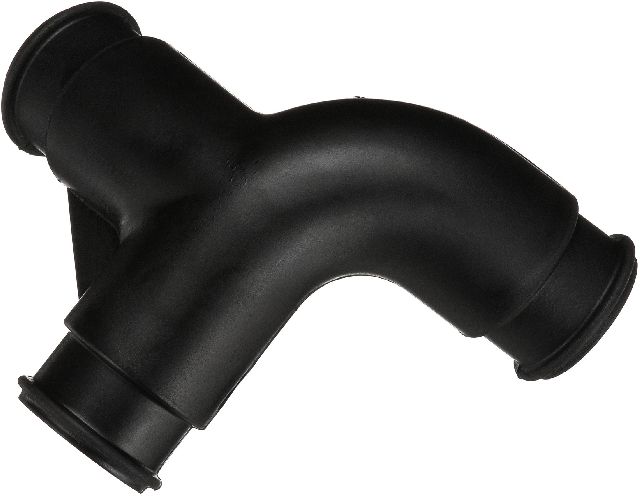
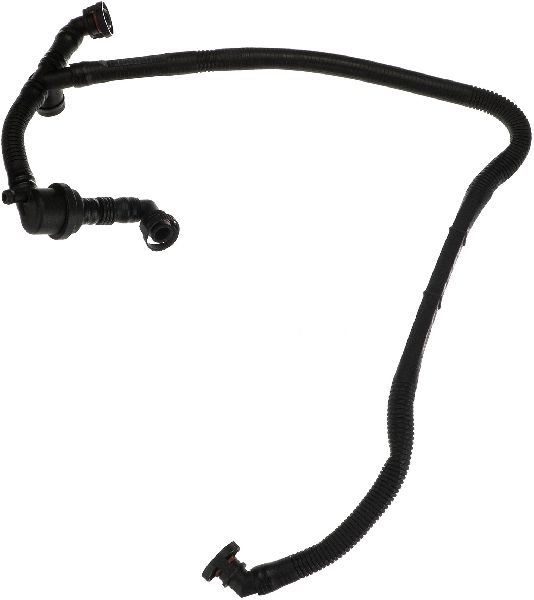
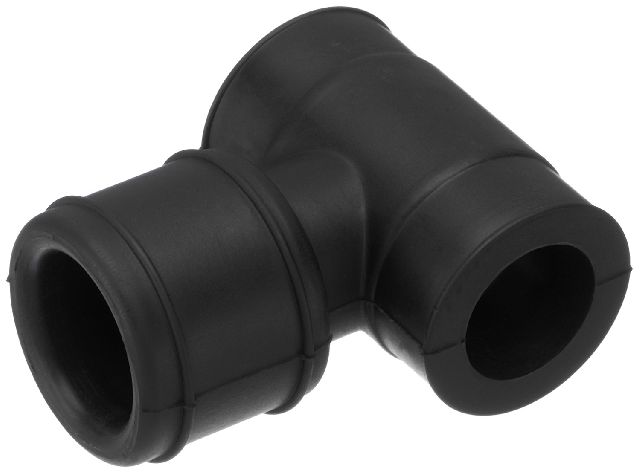
The system consists of multiple interconnected plastic and rubber hoses, check valves, a pressure control valve (PCV), and various connectors. Materials vary from standard plastic/rubber on OEM-style replacements to reinforced silicone on upgraded versions. The design differs significantly between 1.8T and V6 engines.
We Have This Part in Stock

The information in this article is provided for general reference and educational purposes only. Vehicle specifications, procedures, and part compatibility can vary by production date, trim level, and region. Always consult your vehicle's factory service manual and verify part numbers before purchasing or performing repairs. Safety-critical components such as airbags, seat belts, and braking systems should be installed by a qualified professional.
- Audi A4 Quattro: