

Chevrolet S10 Engine Intake Manifold Gasket Guide for 1996-2004 Models
Solving the common coolant leaks and rough idle issues in your 1996-2004 Chevrolet S10, especially the 4.3L V6.
- The intake manifold gasket is a very common failure on the 1996-2004 S10, especially with the 4.3L V6 engine.
- For the 4.3L V6, choose an aftermarket gasket set with a metal (steel or aluminum) frame for a durable, long-lasting repair.
- If you have the 4.3L V6, it is highly recommended to replace the spider fuel injector assembly at the same time to avoid future repairs.
- Always use new torque-to-yield intake manifold bolts for proper sealing.
The Notorious 4.3L V6 Intake Gasket Problem
If you own a 1996-2004 S10 with a 4.3L V6, you will likely face an intake manifold gasket failure. It's one of the most common repairs for this truck. The original factory gaskets from ACDelco used a plastic frame that tends to crack, warp, and degrade over time due to heat and exposure to engine coolant. This failure is so common that many aftermarket brands have developed superior replacement gaskets that solve the original design's flaws. While the 2.2L 4-cylinder engine can also have gasket leaks, the problem is far more widespread on the 4.3L V6 models.
Symptoms of a Failing Intake Gasket
A bad intake manifold gasket can show several signs. Catching them early can prevent more serious engine damage.
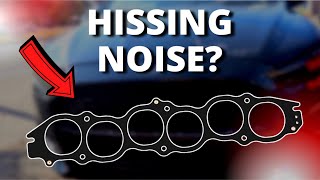
🎬 Watch this video to see common symptoms of a bad gasket.- Coolant Leak: This is the most common symptom. You may see a puddle of orange or green coolant under the front of the engine. The leak occurs where the intake manifold meets the cylinder heads.
- Engine Overheating: A significant coolant leak will cause the engine to run low on coolant, leading to the temperature gauge climbing into the red.
- Milky Engine Oil: This is a serious sign of an internal coolant leak. If the oil on your dipstick or under the oil cap looks like a chocolate milkshake, coolant is mixing with your oil. Stop driving the vehicle immediately to prevent catastrophic engine damage.
- Rough Idle and Misfires: A break in the gasket can create a vacuum leak, allowing extra air into the engine. This throws off the air-fuel mixture, causing a shaky idle, engine misfires, and hesitation. You may get a Check Engine Light with codes like P0300 (Random Misfire), P0171 (System Too Lean Bank 1), or P0174 (System Too Lean Bank 2).
- Hissing Sound: A distinct sucking or hissing noise from the engine bay, especially when accelerating, points to a vacuum leak from a bad gasket.
A Note on Recalls and TSBs
While searches of the National Highway Traffic Safety Administration (NHTSA) database show no widespread safety recalls for this specific issue, the failure of the 4.3L V6 intake manifold gasket is a well-documented service problem known by mechanics and owners everywhere. The industry response was to create better aftermarket parts.
Choosing the Right Aftermarket Gasket Set
For the 4.3L V6, choosing an aftermarket gasket is often an upgrade. The key is to look for a set with a metal carrier frame instead of the original plastic design.
Premium Upgrade Brands ($50 - $105)
These brands offer redesigned gaskets that are more durable than the original factory parts.
- Victor Reinz: As an original equipment supplier to many manufacturers, Victor Reinz offers high-quality gaskets. Their kits for the 4.3L V6 often feature an improved steel carrier that resists heat and modern coolants.
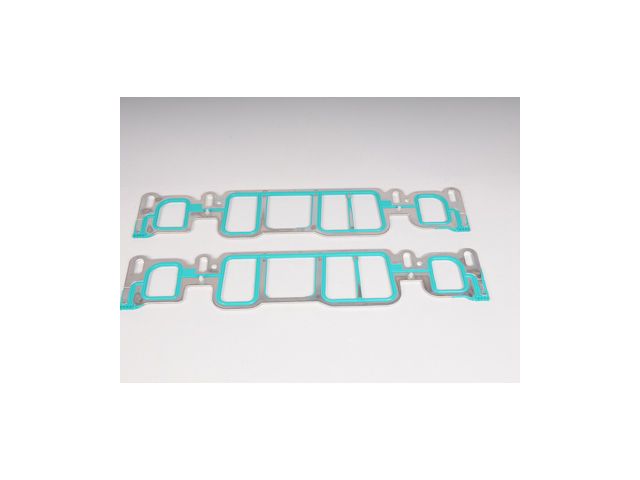
- ACDelco (Updated Version): After the original plastic gaskets proved unreliable, ACDelco released an updated version with an aluminum frame. If buying ACDelco, ensure you are getting this improved design, not the old plastic style.
All-in-One & Mid-Grade Brands ($30 - $70)
- Dorman: Dorman kits are popular because they are often very complete, sometimes including new intake bolts, a thermostat, and RTV sealant. However, owner reviews are mixed. While many have success, some report premature failure of the gaskets or issues with the quality of the included thermostat. This is a convenient, budget-friendly option if you want all the parts in one box.
Economy Brands ($12 - $30)
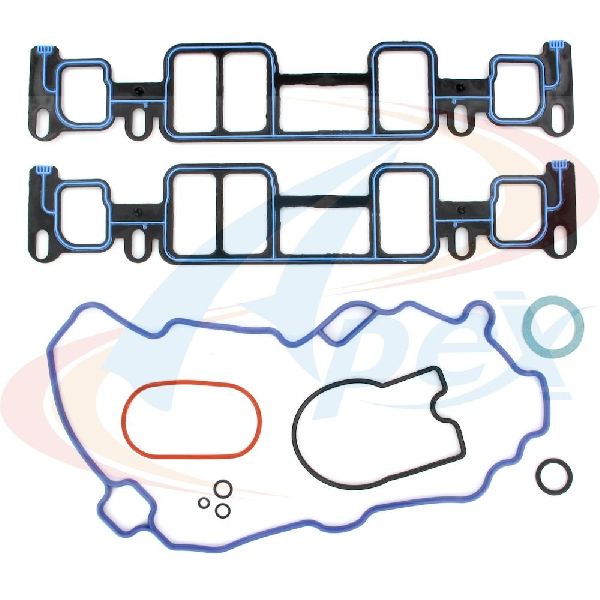
- Apex: Generally considered a budget-friendly brand, Apex provides a basic gasket set to get the job done at a low cost. These are suitable for a quick repair on a tight budget, but may not offer the same long-term durability as premium brands with upgraded materials.
Pro Tip: Replace the Spider Injector While You're In There
On the 4.3L V6, the Central Sequential Fuel Injection (CSFI) unit, also known as the "spider injector," sits under the intake manifold. It is another extremely common failure point that causes misfires and rough running. Since you must remove the intake manifold to replace the gaskets, this is the perfect time to replace the spider injector assembly. Replacing it later means doing all the labor over again.
🎬 See how to replace the spider injector while the manifold is off.Estimated Replacement Costs
| Part/Service | Estimated Cost |
|---|---|
| New Aftermarket Gasket Set | $12.49 - $105.73 |
| Shop Labor | $350 - $900 |
| Total Professional Repair | $365 - $1000+ |
Cost estimates are for the gasket replacement only and do not include related parts like a new spider injector. Prices can vary based on location and shop labor rates.
Frequently Asked Questions (FAQ)
Do I really need a gasket with a metal frame for my 4.3L V6?
Yes, it is highly recommended. The original plastic frame gaskets are the primary point of failure. An upgraded gasket set with a steel or aluminum carrier provides a much more rigid and durable seal that withstands heat and pressure, preventing future leaks.
🎬 Follow this step-by-step walkthrough of the full intake gasket replacement.Should I replace the intake manifold bolts?
Yes, it is good practice to replace the intake manifold bolts. They are torque-to-yield bolts, meaning they stretch when tightened and are not designed to be reused. Reusing old bolts can lead to improper clamping force and a failed seal. Some kits, like those from Dorman, include new bolts.
Do I need to use RTV sealant on the new gaskets?
Follow the instructions included with your specific gasket set. Generally, you should NOT apply RTV sealant directly to the rubber sealing beads of the main gaskets. However, a small dab of RTV is typically required at the corners where the intake manifold meets the engine block's "china walls."
Is this a good time to replace any other parts?
Absolutely. Besides the spider injector on the 4.3L V6, this is a great time to replace the thermostat and bypass hose, distributor cap and rotor (if applicable), and spark plugs and wires, as they are all much easier to access with the intake manifold removed.
Helpful Videos
Technical Specifications
OEM Part Numbers: 89060413
For 4.3L V6 engines, the key specification is the gasket carrier material. The original design used a failure-prone plastic carrier. Upgraded aftermarket and revised OEM gaskets use a more durable steel or aluminum carrier.
We Have This Part in Stock



The information in this article is provided for general reference and educational purposes only. Vehicle specifications, procedures, and part compatibility can vary by production date, trim level, and region. Always consult your vehicle's factory service manual and verify part numbers before purchasing or performing repairs. Safety-critical components such as airbags, seat belts, and braking systems should be installed by a qualified professional.
- Chevrolet S10:
- 🎬 Helpful Videos
- 🛍️ Shop This Part
- The Notorious 4.3L V6 Intake Gasket Problem
- Symptoms of a Failing Intake Gasket
- A Note on Recalls and TSBs
- Choosing the Right Aftermarket Gasket Set
- Premium Upgrade Brands ($50 - $105)
- All-in-One & Mid-Grade Brands ($30 - $70)
- Economy Brands ($12 - $30)
- Pro Tip: Replace the Spider Injector While You're In There
- Estimated Replacement Costs
- Frequently Asked Questions (FAQ)
- 🎟️ Get 5% Off