

A Guide to the Engine Crankshaft Position Sensor for the 1996-2004 Dodge Dakota
Solve common stalling, rough idling, and no-start problems in your Dodge Dakota by understanding this critical sensor.
- Stalling when the engine is warm is the number one sign of a failing crankshaft sensor in a 1996-2004 Dakota.
- Owners overwhelmingly recommend using an OEM Mopar or a high-quality NTK sensor to avoid repeat failures.
- Be prepared for the old sensor to be seized in the engine block; it may break upon removal.
- The most common diagnostic code for this issue is P0320.
Is Your Dakota Stalling When It Warms Up?

One of the most common complaints from 1996-2004 Dodge Dakota owners is an engine that runs fine when cold, but suddenly stalls after 15-20 minutes of driving. This often happens when coming to a stop or at very low speeds. After stalling, the truck may refuse to restart until the engine has cooled down. This frustrating issue, along with a Check Engine Light showing code P0320, almost always points to a failing crankshaft position sensor.
Common Failure Symptoms

- Engine Stalls Unexpectedly: The engine may shut off when it gets warm, especially when idling or coming to a stop.
- No-Start or Hard Start: The engine will crank over but fails to start, or takes much longer than usual to fire up.
- Check Engine Light: The most common trouble code associated with this failure on a Dakota is P0320 🎬 Watch: Diagnosing and fixing the P0320 code on your Dodge (Ignition/Distributor Engine Speed Input Circuit).
- Rough Idle and Misfires: The truck may shake or vibrate at idle because the engine timing is incorrect.
- Jerky Acceleration: You might feel the truck hesitate or surge when you press the gas pedal.
Choosing the Right Aftermarket Sensor: Brand Quality Matters

When it comes to critical sensors on these Dodge trucks, not all brands are created equal. Forum discussions among Dakota owners show a strong preference for certain brands due to reliability issues with cheaper parts.
Brand Quality Tiers
| Tier | Brands | Notes |
|---|---|---|
| OEM / Premium | Mopar, NGK (NTK) | Mopar is the original factory part and is widely considered the most reliable choice to avoid future issues. Many owners report that NGK/NTK is the original manufacturer for Mopar, making it an excellent high-quality alternative. |
| Quality Aftermarket | Delphi, Hitachi, Standard Ignition | These brands are generally seen as reliable mid-tier options. They often provide good performance for the price, though some users have reported occasional issues with Standard Motor Products parts. |
| Economy / Budget | Dorman, Walker, store brands (like Duralast) | While the low price is tempting, these brands have a reputation in owner forums for being less reliable and failing prematurely. It's common to hear stories of a budget sensor failing within days or months, leading to doing the job all over again. |
Pro Tip: Many experienced Dakota owners and mechanics strongly recommend spending the extra money on a Mopar or NTK sensor. The labor and frustration of replacing a failed budget sensor often outweigh the initial cost savings.
Known Issues, Recalls, and Service Bulletins
While a failing crankshaft position sensor is a well-documented common problem for the 1996-2004 Dodge Dakota, searches of the National Highway Traffic Safety Administration (NHTSA) database show no specific recalls or Technical Service Bulletins (TSBs) for this part on these model years.
Installation Notes

The location of the sensor varies slightly by engine.
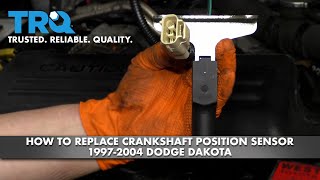
- On V6 (3.9L) and V8 (5.2L, 5.9L) Magnum engines, the sensor is on the passenger side of the engine, at the back, mounted to the top of the transmission bellhousing. 🎬 See this walkthrough for replacing the sensor on Magnum V8 engines It is typically held in by two 13mm (or 1/2") bolts. Removing the air filter housing can provide better access from the top of the engine bay.
- On 4.7L V8 engines, the sensor is on the right rear of the engine block, underneath the exhaust manifold, and held by a single bolt.
Warning: These sensors are notorious for getting seized in the engine block due to rust and heat cycles. It is very common for the plastic housing to become brittle and break during removal, leaving the magnetic tip stuck in the block. Spray the base of the sensor with penetrating oil and gently twist it back and forth with pliers to try and work it loose before pulling straight out.
Frequently Asked Questions (FAQ)
Why do so many people recommend the Mopar sensor?
These Dodge trucks can be electronically sensitive. Many owners have found that aftermarket sensors, especially budget-friendly ones, can be out of specification right out of the box or fail quickly, causing the same stalling and no-start problems to return. The OEM Mopar part is proven to work correctly and last longer, saving you from having to do the job twice.
What happens if the old sensor breaks during removal?
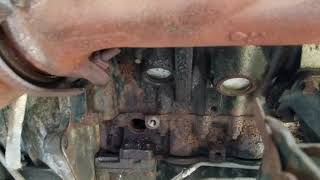
This is a common and frustrating problem. If the sensor breaks, you will need to carefully extract the broken piece from the engine block. This may involve using picks, pliers, or even carefully drilling a small hole in the remaining plastic to use a screw for leverage. Be very careful not to damage the engine block or drop pieces 🎬 Watch: How to extract a broken sensor from the engine block into the bellhousing.
Do I need to do a computer reset after installing the new sensor?
It is a good practice to clear the Check Engine Light codes with a scanner after the repair. You can also disconnect the battery's negative terminal for about 30 minutes to reset the PCM. This allows the computer to relearn its parameters with the new, functioning sensor.
Could my problem be the camshaft position sensor instead?
Yes, the symptoms can be similar. The P0320 code can sometimes be triggered by a fault in either the crank or cam sensor circuit. However, the classic symptom of stalling only when the engine is warm points more strongly to the crankshaft position sensor.
Helpful Videos
Technical Specifications
OEM Part Numbers: 56027870
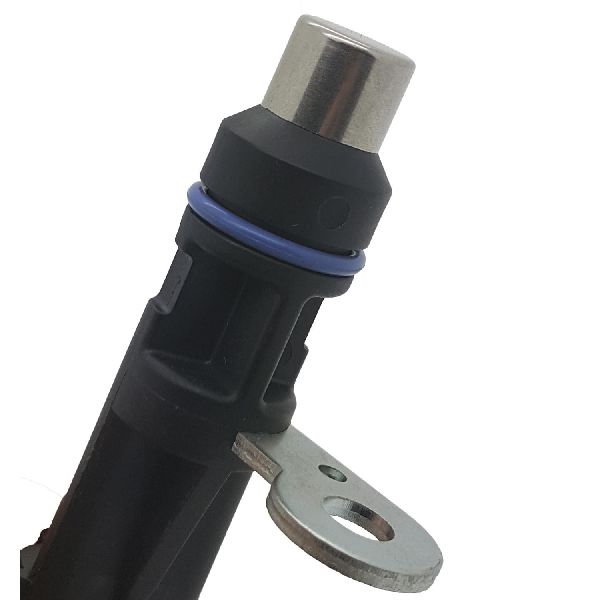
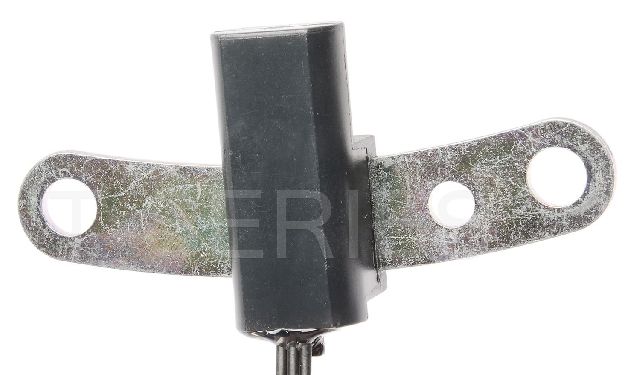
The sensor is typically located on the passenger side of the engine, near the transmission bellhousing. It is a magnetic sensor that reads teeth on the flywheel or a tone ring to determine crankshaft speed and position.
We Have This Part in Stock


The information in this article is provided for general reference and educational purposes only. Vehicle specifications, procedures, and part compatibility can vary by production date, trim level, and region. Always consult your vehicle's factory service manual and verify part numbers before purchasing or performing repairs. Safety-critical components such as airbags, seat belts, and braking systems should be installed by a qualified professional.
- Dodge Dakota: