

Choosing the Right Starter for Your 1996-2004 Ford Explorer
Don't get stranded by a no-start condition—here's how to pick the best replacement starter for your Explorer.
- Always test the battery and clean the cable connections before assuming the starter is bad; many symptoms overlap.
- For this Explorer, the starter motor and its attached solenoid are replaced as a single unit.
- OEM Motorcraft parts offer the highest reliability, while performance brands like Powermaster are a great upgrade for solving heat-related issues or for modified engines.
- Replacement is a feasible DIY job for those with basic tools and jack stands, but access to the top bolt can be challenging.
Is Your Explorer's Starter Failing?
A bad starter can fail suddenly, leaving you stranded. But it usually gives warning signs first. Before you blame the starter, always make sure your battery is fully charged and the terminals are clean and tight. A weak or dead battery can cause similar symptoms.
Common Failure Symptoms:
- Single, Loud Click: You turn the key and hear one loud click, but the engine doesn't crank. This often means the starter's solenoid is engaging, but the motor itself isn't turning.
- Rapid Clicking: A fast, chattering or clicking sound is a classic sign of a weak battery that can't supply enough power to the starter. However, it can sometimes point to a faulty solenoid or poor electrical connections.
- Slow, Sluggish Cranking: If the engine turns over much slower than usual, like it's struggling, the starter motor may be worn out and drawing too much power.
- Grinding or Whirring Noise: A harsh grinding sound when you try to start the engine can mean the starter gear is not engaging correctly with the flywheel, or it's damaged. Stop trying to start the vehicle immediately to avoid damaging the flywheel.
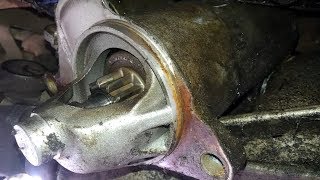
- Intermittent Starting: The Explorer starts fine one day but won't crank the next. This can be caused by a 'dead spot' in the starter's electric motor. A common diagnostic trick is to gently tap the starter motor with a hammer or wrench; if the vehicle starts right after, it's a strong sign the starter is worn out. 🎬 Watch: How to diagnose and replace a faulty starter.
- No Sound at All: If the dashboard lights come on but you hear nothing, the problem could be the starter, the ignition switch, or the starter relay.
- Smoke or Burning Smell: Smoke from under the hood near the starter indicates a serious electrical short. Disconnect the battery immediately to prevent a fire.
Known Issues: Starter Relay vs. Solenoid
On these Explorers, there is often confusion between the starter solenoid and the starter relay. The starter motor assembly includes its own built-in solenoid. However, many Fords of this era also use a separate starter relay (which people often call a solenoid) mounted on the fender wall near the battery. While the fender-mounted relay can fail, the more common failure point that causes a 'click-no-start' is the solenoid and motor assembly itself.
Choosing the Right Aftermarket Starter
When your original starter fails, you have a choice between OEM and a wide range of aftermarket options. While some cheap aftermarket parts have a reputation for early failure, many offer a great balance of value and quality.
Brand Quality Tiers
- OEM (Motorcraft): This is the original part your Explorer came with. Motorcraft starters are the benchmark for fit, quality, and durability, but they are often the most expensive option.
- Premium/Performance Aftermarket (Ford Performance, Powermaster): Brands like Powermaster offer high-torque, gear-reduction starters. These are an excellent upgrade if you have a modified engine with higher compression or if you've experienced 'heat soak' issues where the starter struggles when hot. They provide more cranking power than stock.
- Standard Aftermarket (ACDelco, Bosch): Reputable brands like ACDelco and Bosch (who may have been the original manufacturer for Ford) offer new and remanufactured starters that meet or exceed OEM specifications. These are a reliable choice for a daily driver and offer good quality for the price.
- Economy Aftermarket (MPA, Proform, Store Brands): These are the most budget-friendly options. While they can get your vehicle back on the road, forum discussions suggest their long-term reliability can be a gamble. If you choose an economy part, be sure it comes with a good warranty.
Cost of Replacing a Ford Explorer Starter
The cost depends on the part you choose and whether you do the work yourself. The job is possible for a DIYer with moderate experience.
| Part/Service | Estimated Cost |
|---|---|
| New Aftermarket Starter | $85 - $392 |
| New OEM (Motorcraft) Starter | $130 - $250 |
| Shop Labor | $150 - $300 |
| Total Professional Replacement | $235 - $692 |
Pro Tip: Inspect the Flywheel
When the old starter is removed, use a flashlight to look inside the bellhousing and inspect the teeth on the engine's flywheel (or flexplate on an automatic). A bad starter gear can chip or damage the flywheel teeth. Installing a new starter against a damaged flywheel will quickly destroy the new part.
Frequently Asked Questions
Is it hard to replace the starter on a 1996-2004 Explorer?
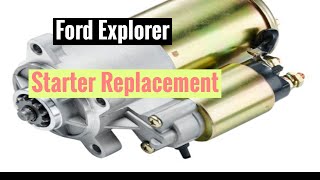
It's considered moderately difficult. It requires safely lifting the vehicle, disconnecting the battery, and working underneath to remove two or three bolts and the electrical connections. Access to the top bolt can be tight, often requiring a long extension. 🎬 See this step-by-step tutorial for replacing the starter. For many people with the right tools, it's a manageable 1-2 hour job.
Do I need a different starter for the V6 vs. the V8 engine?
Yes. The 4.0L V6 and the 5.0L V8 engines use different starters. They are not interchangeable. Always verify the part fits your specific engine and model year before purchasing.
Can a bad battery act like a bad starter?
Absolutely. A weak or dead battery is the most common cause of a no-start condition. Symptoms like rapid clicking, slow cranking, and dim lights all point towards a battery issue. Always test your battery and check its connections before replacing the starter.
🎬 Watch: Troubleshooting guide for an Explorer that won't start.What does it mean to have a 'remanufactured' vs. a 'new' starter?
A new starter is 100% new from the factory. A remanufactured starter starts with an original (OEM) core that is completely disassembled. Wear items like brushes, bearings, and the solenoid are replaced with new parts, and the unit is tested to meet original specifications. A quality remanufactured starter from a good brand like Motorcraft or Bosch can be just as reliable as a new one.
Helpful Videos
![Ford Explorer Not Starting? [FIXED] - Troubleshooting & Repair Guide](https://img.youtube.com/vi/RQvR5n1upJE/mqdefault.jpg)
Technical Specifications
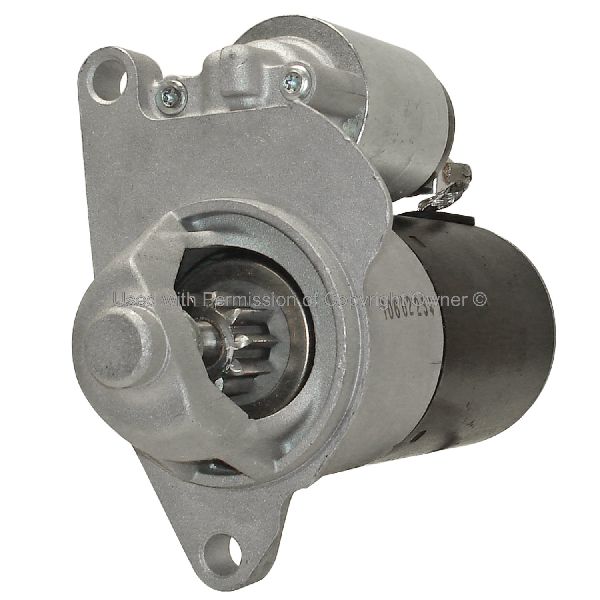
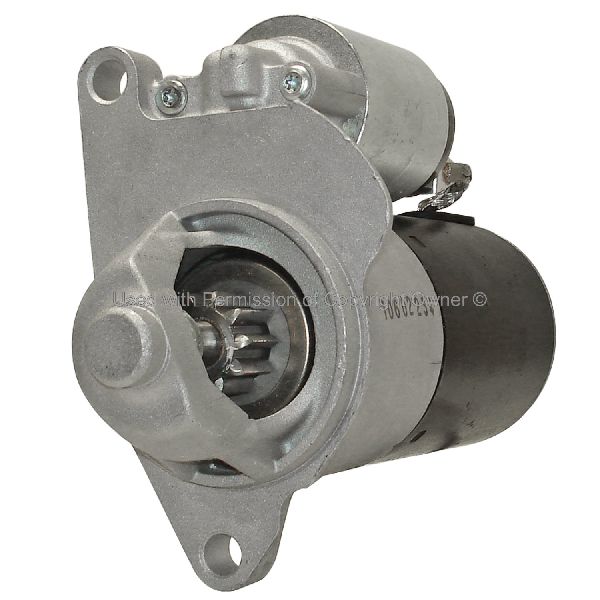
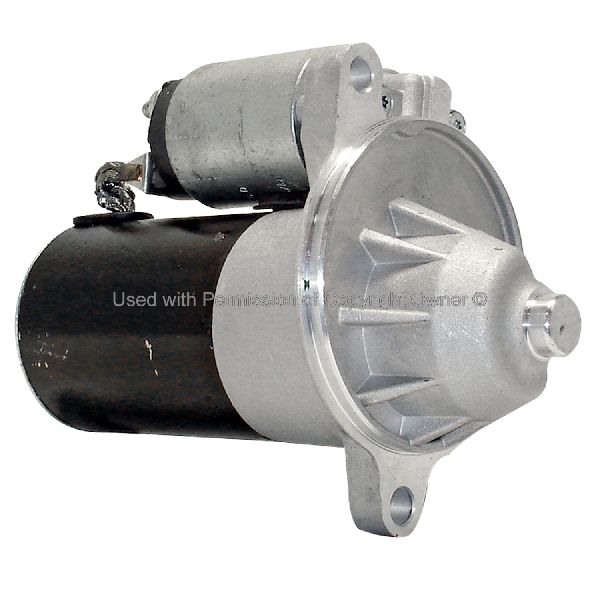
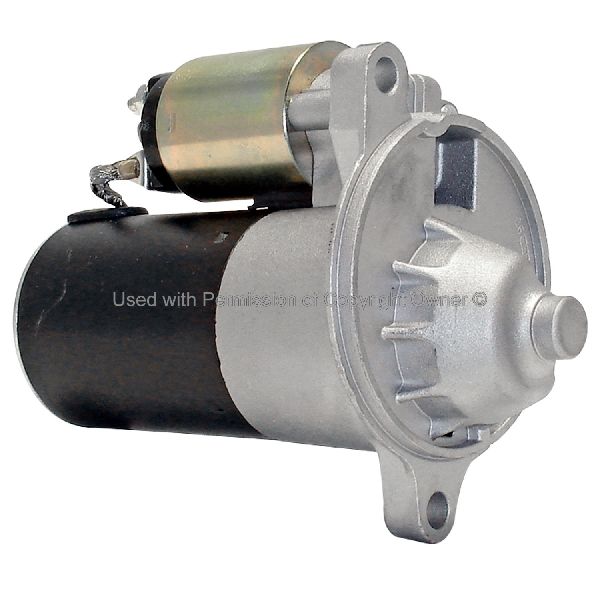
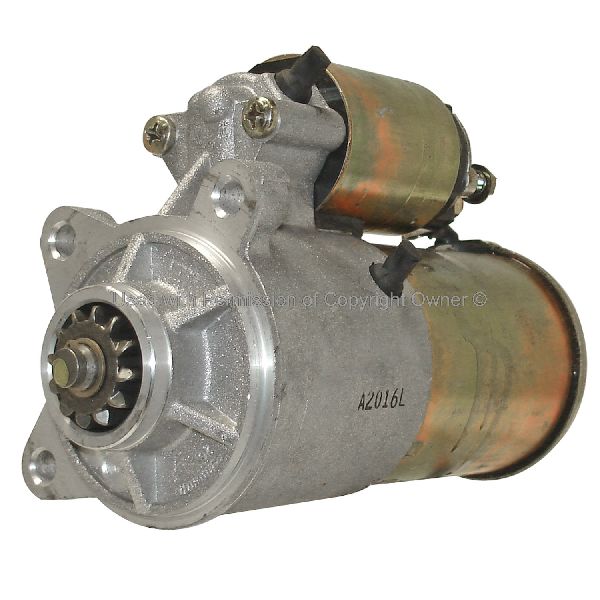
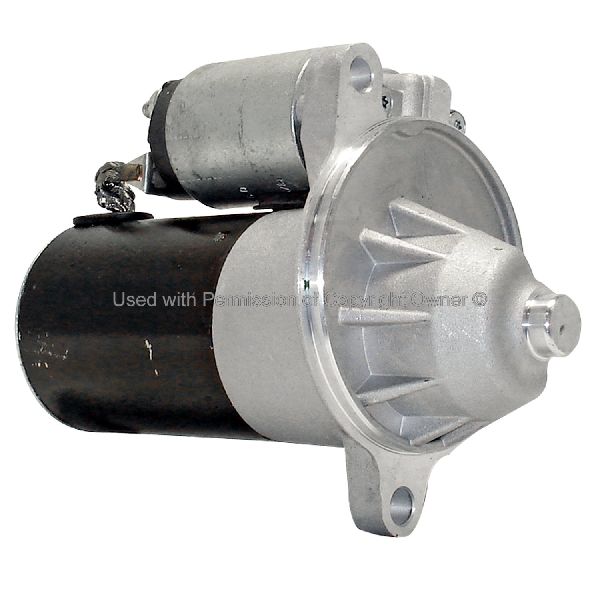
OEM Part Numbers: 6L2Z11002C F0TZ-11002-A SA-775
Voltage: 12V, Rotation: Clockwise, Teeth: 10, Starter Type: Permanent Magnet Gear Reduction (PMGR)
We Have This Part in Stock

The information in this article is provided for general reference and educational purposes only. Vehicle specifications, procedures, and part compatibility can vary by production date, trim level, and region. Always consult your vehicle's factory service manual and verify part numbers before purchasing or performing repairs. Safety-critical components such as airbags, seat belts, and braking systems should be installed by a qualified professional.
- Ford Explorer:
- 🎬 Helpful Videos
- 🛍️ Shop This Part
- Is Your Explorer's Starter Failing?
- Common Failure Symptoms:
- Known Issues: Starter Relay vs. Solenoid
- Choosing the Right Aftermarket Starter
- Brand Quality Tiers
- Cost of Replacing a Ford Explorer Starter
- Pro Tip: Inspect the Flywheel
- Frequently Asked Questions
- 🎟️ Get 5% Off