

Engine Camshaft Position Sensor: A Guide for 1996-2004 Isuzu Rodeo
If your Rodeo is stalling, running rough, or won't start, the camshaft position sensor could be the culprit.
- A failing camshaft sensor on a Rodeo causes stalling, no-starts, and a Check Engine Light (codes P0340, P0341).
- On the 3.2L V6, the sensor is very difficult to replace, located at the rear of the driver's side cylinder head.
- For reliability, choose an OEM brand like Hitachi or a quality aftermarket brand like Delphi or Standard Motor Products.
- Before replacing the sensor, check the wiring and connector for damage, as this can also trigger the fault code.
Is Your Rodeo's Camshaft Sensor Failing?

A bad camshaft position sensor can cause a range of problems, from annoying to serious. Because the sensor's signal is vital for engine timing, a failure can make your truck run poorly or even leave you stranded. Watch for these common signs:
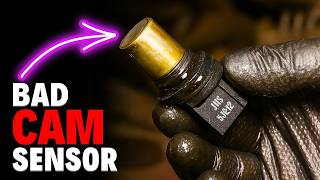
🎬 Watch this video to see common failing sensor symptoms.- Check Engine Light: This is often the first warning. The computer will store a trouble code, most commonly P0340, P0341, or P0342.
- Engine Stalling: The engine may stall unexpectedly while driving or idling at a stoplight. This is a serious safety concern.
- No-Start or Hard Starting: Your Rodeo might crank for a long time before starting, or it may not start at all.
- Rough Idle and Misfires: The engine may shake, sputter, or run unevenly, especially at idle.
- Poor Acceleration: You might notice the truck feels sluggish, hesitates, or lacks power when you press the gas pedal.
Choosing the Right Aftermarket Sensor for Your Rodeo

When it comes to electronic sensors, quality matters. While saving money is tempting, a cheap, low-quality sensor can fail quickly, leaving you to do the job all over again. For a critical part like this, it's best to stick with reputable brands. The original equipment (OE) supplier for many Isuzu vehicles is Hitachi, making it a top-tier choice for replacement.
Pro Tip: Many professional mechanics recommend using the original equipment (OEM) brand for critical sensors like the camshaft and crankshaft position sensors to avoid compatibility issues and premature failure.
Aftermarket Brand Tiers
Here’s a breakdown of the available brands to help you choose:
- Tier 1 (OEM or Equivalent): These brands are known to be original equipment suppliers and offer the highest quality and reliability. For your Rodeo, this includes Hitachi. Brands like ACDelco (specifically "GM Genuine" parts) and Delphi are also often OEM suppliers for similar vehicles and are considered high-quality choices.
- Tier 2 (Quality Aftermarket): These brands are well-respected in the aftermarket and offer a good balance of quality and price. This tier includes Standard Motor Products (Standard Ignition), Beck Arnley, Hella, and Walker Products. They manufacture parts to meet or exceed OE specifications.
- Tier 3 (Budget-Friendly): Brands like Dorman, Spectra, and other private labels fall into this category. While they are the most affordable, their quality can be inconsistent for electronic sensors. They can be an option if budget is the primary concern, but be aware of the potential for a shorter service life.
Warning: Be cautious of extremely cheap, unbranded sensors from online marketplaces. These often have high failure rates and can cause more problems than they solve.
How Much Does a Camshaft Position Sensor Replacement Cost?

The cost depends on whether you do the work yourself or take it to a shop. The part itself is relatively inexpensive, but labor can add up, especially on the V6 engine where access is tight.
| Item | Estimated Cost |
|---|---|
| New Aftermarket Part | $25 - $98 |
| Shop Labor | $220 - $322 |
| Total Professional Replacement | $245 - $420 |
Frequently Asked Questions (FAQ)

Where is the camshaft position sensor located on my 1996-2004 Isuzu Rodeo?
The location depends on your engine. On the 3.2L V6 engine, it is notoriously difficult to access, located at the back of the left-hand (driver's side) cylinder head, underneath the intake manifold. On the 2.2L 4-cylinder engine, the sensor is easier to reach, typically located near the front of the engine.
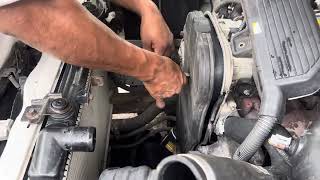
🎬 See how to remove the sensor on a 2.2L engine.Can I replace the sensor myself?
For the 2.2L 4-cylinder, it is a DIY-feasible job for someone with basic mechanical skills. For the 3.2L V6, the replacement is much more involved due to the sensor's location and is rated as difficult. It may require removing the intake manifold for access, which can be a challenge.
Are there any recalls for this part on my Rodeo?
No, searches of the National Highway Traffic Safety Administration (NHTSA) database did not find any recalls specifically for the camshaft position sensor on the 1996-2004 Isuzu Rodeo. There are recalls for other issues like suspension corrosion and fuel system components.
What's the difference between a camshaft and crankshaft sensor?
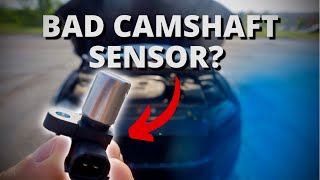
They work together. The camshaft sensor tracks the position of the camshaft to time fuel injection and identify which cylinder is on its power stroke. The crankshaft sensor tracks the position and speed of the crankshaft. The engine's computer uses signals from both to control spark timing and keep the engine running perfectly. 🎬 Learn more about how camshaft and crankshaft sensors function. A failure in either sensor can cause similar symptoms.
Could something else cause a P0340 code?
Yes. While a faulty sensor is the most common cause, the code P0340 indicates a problem in the entire circuit. This could also be caused by damaged wiring, a poor electrical connection, a weak battery, or even a stretched timing belt. It's important to inspect the wiring and connector before replacing the sensor.
Helpful Videos
Technical Specifications
OEM Part Numbers: 8980148310
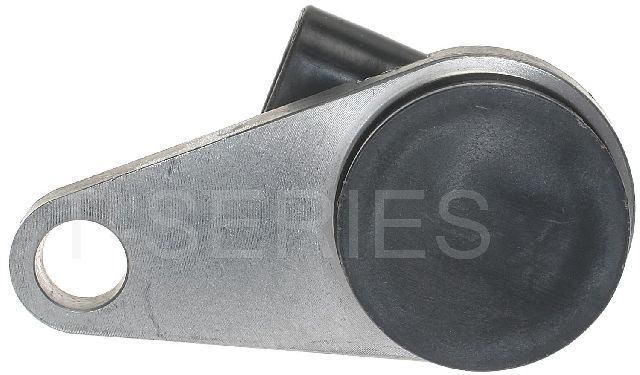
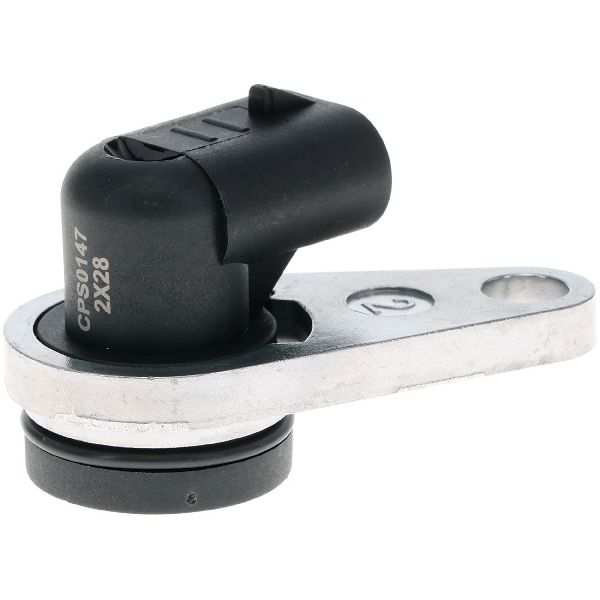
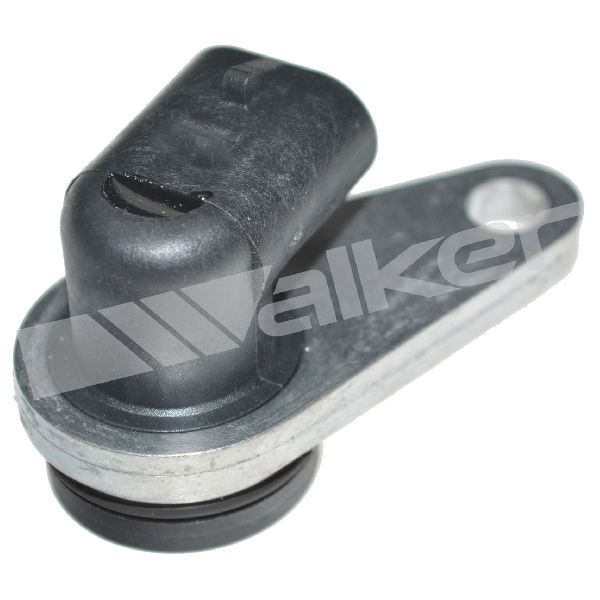
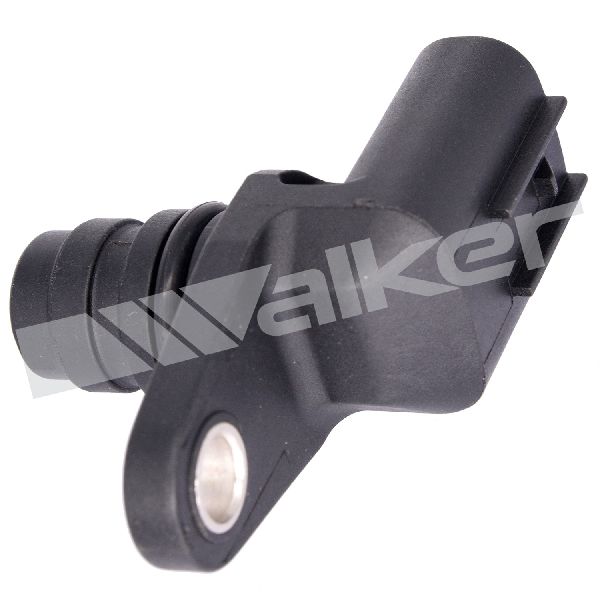
This is a Hall-effect sensor that sends a digital square wave signal to the Powertrain Control Module (PCM) to indicate camshaft position.
We Have This Part in Stock


The information in this article is provided for general reference and educational purposes only. Vehicle specifications, procedures, and part compatibility can vary by production date, trim level, and region. Always consult your vehicle's factory service manual and verify part numbers before purchasing or performing repairs. Safety-critical components such as airbags, seat belts, and braking systems should be installed by a qualified professional.
- Isuzu Rodeo: