

A Comprehensive Guide to the 1996-2004 Oldsmobile Bravada Oxygen Sensor
Fixing your Bravada's check engine light and poor gas mileage starts with the right oxygen sensor.
- Confirm if your Bravada is a 1996-2001 (4.3L V6) or 2002-2004 (4.2L I6) model before buying.
- Use your OBD-II code to identify the exact failed sensor (e.g., Bank 1 Sensor 1) before purchasing.
- For best results and to avoid repeat repairs, choose an ACDelco or Denso brand sensor.
- Use a special O2 sensor socket and penetrating oil to make removal easier and avoid damaging the new part.
Understanding Your Bravada's Oxygen Sensors
If your check engine light is on, there's a good chance an oxygen sensor is the cause. These sensors wear out over time, typically lasting between 60,000 and 90,000 miles. Replacing a bad O2 sensor can restore engine performance, improve fuel economy, and is necessary to pass emissions tests.
Vehicle Generation Warning: Two Different Bravadas
The 1996-2004 Bravada range covers two different vehicle generations with different engines. It is critical to identify your specific vehicle before buying parts.
- 1996-2001 Bravada (First Generation): These models use the 4.3L V6 engine, shared with the Chevy Blazer and GMC Jimmy.
- 2002-2004 Bravada (Second Generation): These models use the 4.2L Inline-6 (I6) engine, shared with the Chevy Trailblazer and GMC Envoy.
Oxygen sensors are NOT interchangeable between these two engine types.
Choosing the Right Aftermarket Oxygen Sensor
When shopping for a new aftermarket O2 sensor, quality matters. For GM vehicles like the Bravada, some brands work better with the factory computer than others. Here’s a breakdown of the brands available:
- OEM Grade (ACDelco): ACDelco is the original equipment manufacturer for General Motors. Choosing ACDelco is the safest bet for a direct replacement that will work correctly without issues. Many owners and mechanics strongly recommend sticking with ACDelco to avoid compatibility problems.
- High-Quality Aftermarket (Denso, NGK/NTK): Denso is another highly respected OEM supplier, and many consider their sensors to be on par with ACDelco, often at a lower price. NGK (under the NTK brand) is the world's largest oxygen sensor manufacturer and is also an excellent choice for fit and function.
- Standard Aftermarket (Bosch, Delphi): Bosch sensors have mixed reviews for this platform. While a major brand, some owners report check engine lights and performance issues after installation, leading them to switch back to ACDelco or Denso. Delphi is a known OE supplier and generally considered a reliable option.
- Economy Brands (DriveWire, Spectra, Vemo, Walker Products): These brands offer a budget-friendly option. While they may function correctly, their long-term durability and calibration precision may not match the higher-tier brands. They can be a viable choice for older vehicles or if budget is the primary concern.
Pro Tip: Many forum users and mechanics recommend spending a little extra for an ACDelco or Denso sensor to avoid the headache of a recurring check engine light and the labor of replacing the part twice.
Cost of Replacing an Oxygen Sensor (1996-2004 Bravada)
The cost can vary depending on the sensor's location and whether you do it yourself. Downstream sensors are often harder to reach, increasing labor costs.
| Item | Estimated Cost |
|---|---|
| DIY Aftermarket Part | $34 - $112 (per sensor) |
| Shop Labor | $52 - $76 (per sensor) |
| Total Professional Replacement | $146 - $245 (per sensor) |
Frequently Asked Questions
How many oxygen sensors does my Bravada have?
It depends on the year. 1996-2001 models (4.3L V6) typically have three sensors: one upstream on each exhaust manifold (Bank 1 and Bank 2) and one downstream sensor after the Y-pipe. 2002-2004 models (4.2L I6) have two sensors: one upstream before the catalytic converter and one downstream after the catalytic converter. Always verify the location of the failed sensor via the OBD-II code before ordering.
What's the difference between upstream and downstream sensors?
Upstream sensors (also called Sensor 1) are located before the catalytic converter and are crucial for controlling the engine's air-fuel mixture. Downstream sensors (Sensor 2) are located after the catalytic converter and primarily monitor the converter's health and efficiency. They are not interchangeable.
Can I clean my old oxygen sensor?
It is not recommended. Contaminants penetrate the sensor's ceramic element, and surface cleaning is ineffective. Given the relatively low cost of a new aftermarket sensor, replacement is the only reliable solution.
Do I need a special tool to replace an O2 sensor?
Yes, it is highly recommended. A special O2 sensor socket is designed with a slot on the side to fit over the sensor's wire. Using one prevents damage to the wire and makes the job much easier. Soaking the old sensor with penetrating oil for a few hours before removal can also help, as they are often seized in the exhaust pipe from rust and heat.
Are there any recalls for the Bravada oxygen sensor?
No, there are no specific recalls for oxygen sensors on the 1996-2004 Oldsmobile Bravada. However, a general GM Technical Service Bulletin (TSB) notes that O2 sensor codes can sometimes be caused by small, hard-to-find vacuum or exhaust leaks, not a faulty sensor.
Technical Specifications
OEM Part Numbers: 19303069 213-1551 213-802 12637297 12656071 12612571
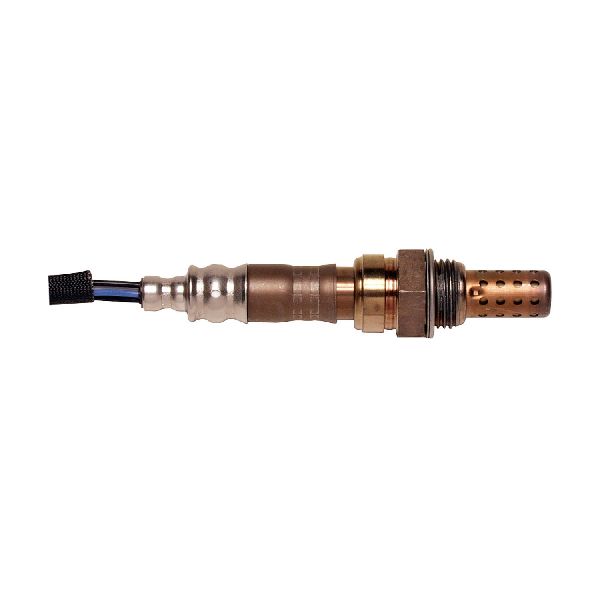
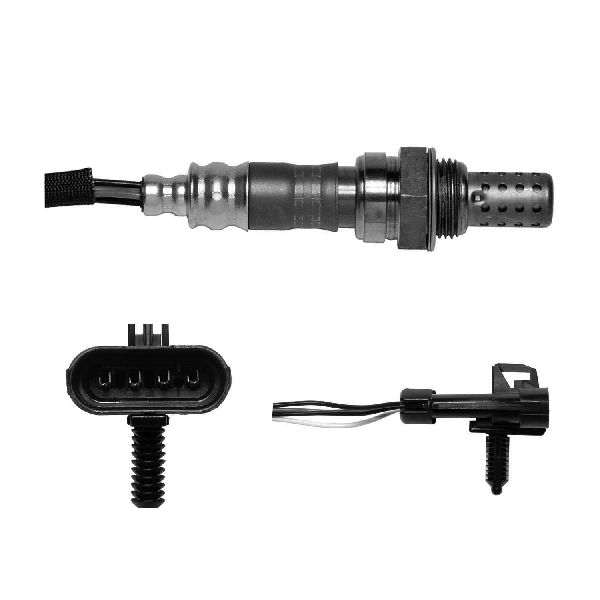
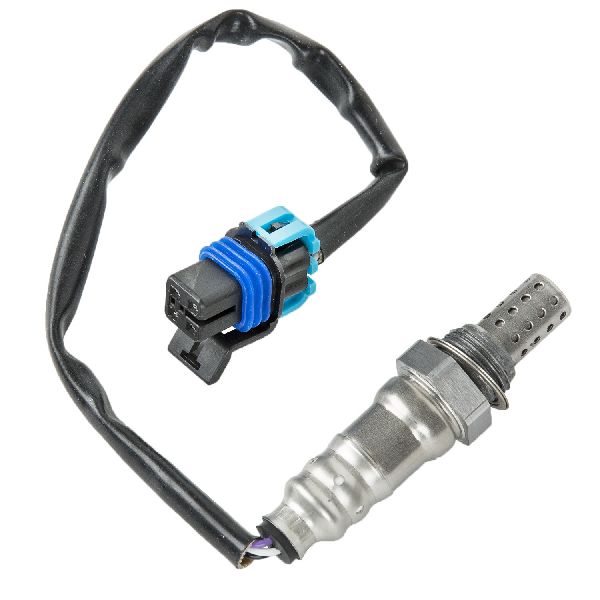
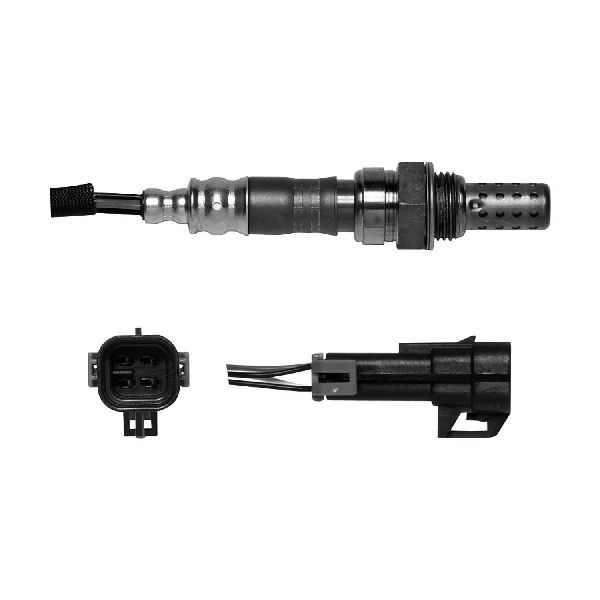
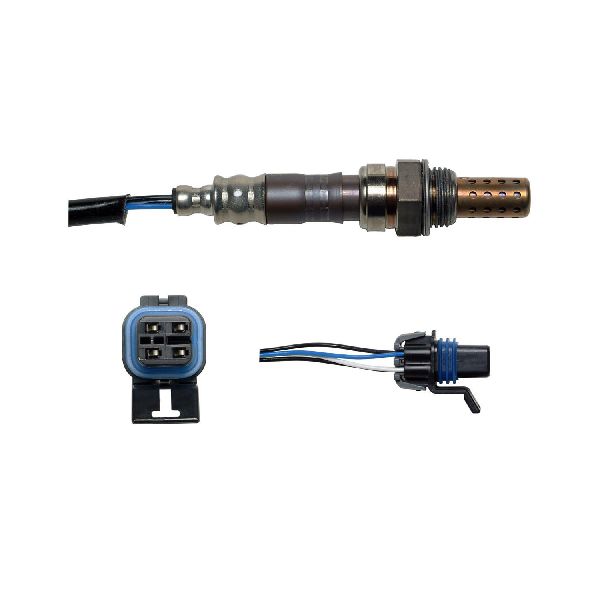
Varies by year and engine. All are heated 3 or 4-wire sensors. The 1996-2001 (4.3L V6) and 2002-2004 (4.2L I6) models use different sensors. Connectors and wire lengths are specific to the sensor's location (Upstream/Downstream, Left/Right Bank).
We Have This Part in Stock


The information in this article is provided for general reference and educational purposes only. Vehicle specifications, procedures, and part compatibility can vary by production date, trim level, and region. Always consult your vehicle's factory service manual and verify part numbers before purchasing or performing repairs. Safety-critical components such as airbags, seat belts, and braking systems should be installed by a qualified professional.
- Oldsmobile Bravada: