

A Subaru Owner's Guide to the 1996-2004 Legacy Radiator
Prevent overheating in your Legacy by understanding when and how to replace your radiator.
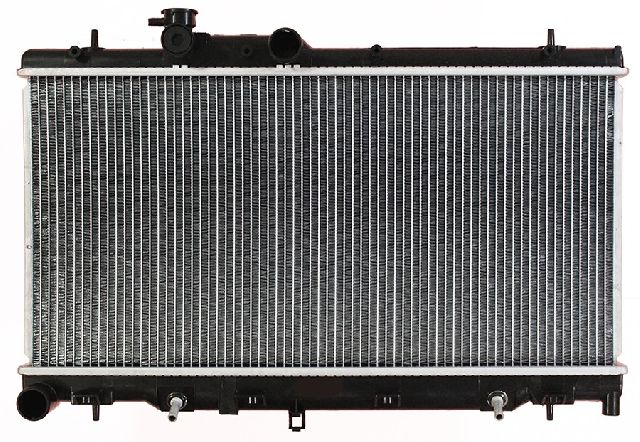
- The most common failure is cracks in the plastic end tanks due to age and heat cycles.
- For a durable, long-term solution, consider upgrading to an all-aluminum radiator from a brand like CSF or Mishimoto.
- When replacing the radiator, it is highly recommended to also replace the radiator cap and inspect the hoses.
- Replacement is a DIY-friendly job for those with basic tools, but properly bleeding air from the system is crucial.
Is Your Legacy's Radiator Failing?
The most common failure point on radiators for the 1996-2004 Subaru Legacy is the plastic end tanks. Over time, constant heating and cooling cycles can make the plastic brittle, causing it to crack. This usually happens where the plastic tanks are crimped to the aluminum core or at the hose connections. When this happens, you'll start to see the signs of a failing radiator.
Key Failure Symptoms:
- Engine Overheating: The most obvious sign is your temperature gauge climbing into the red. This means the radiator can no longer cool the antifreeze effectively.
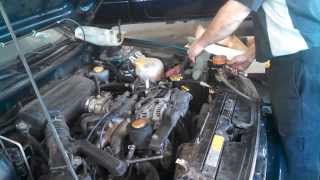
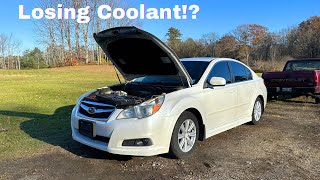
- Coolant Leaks: You might notice puddles of green, orange, or pink fluid under the front of your car. A sweet smell is also a common indicator of a coolant leak. 🎬 Watch a technician diagnose common causes for Subaru coolant loss.
- Low Coolant Light: A persistent low coolant warning on your dashboard means you are losing fluid somewhere in the system.
- Visible Cracks: You may be able to see small hairline cracks on the black plastic tanks at the top or bottom of the radiator.
- Steam from Engine Bay: If coolant leaks onto hot engine parts, it will turn into white steam, which you'll see coming from under the hood.
Known Issues for This Generation
While there are no specific recalls from the NHTSA for the radiator on the 1996-2004 Subaru Legacy, the primary issue is age-related failure of the original plastic and aluminum radiators. The plastic end tanks are known to become brittle and crack, leading to leaks. Some owners also report radiators becoming clogged internally, which reduces cooling efficiency and can cause overheating. This is more common if the cooling system has not been regularly flushed.
Choosing the Right Aftermarket Radiator
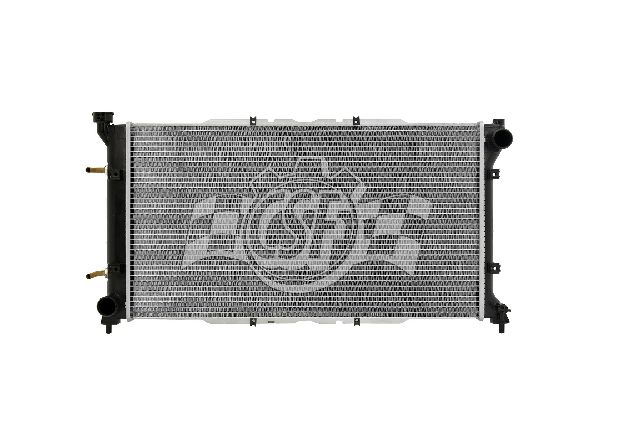
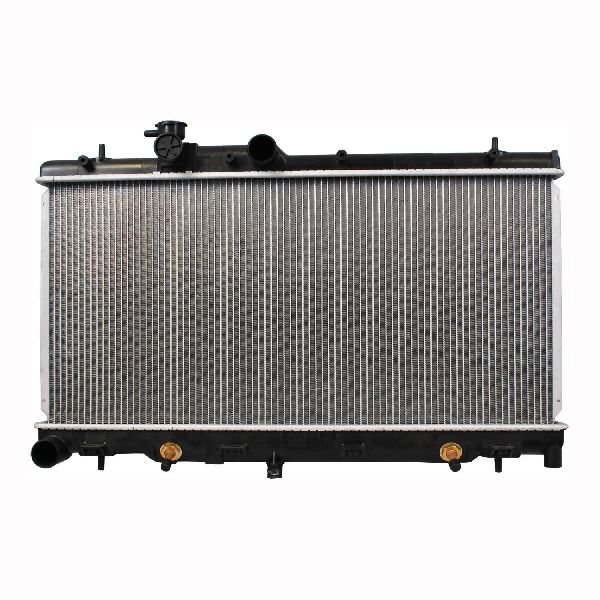
When replacing the radiator in your Legacy, you have several options. The original OEM radiator was a plastic tank and aluminum core design. Many aftermarket options follow this design, while some offer an upgrade to an all-aluminum construction for better durability.
Brand Quality Tiers
- OEM-Equivalent Brands (Good): Brands like Denso and Koyorad are well-regarded in the Subaru community for providing quality that is often equal to the original part. Denso is a known original equipment supplier for many Japanese vehicles. These are a safe bet for a reliable, direct-fit replacement.
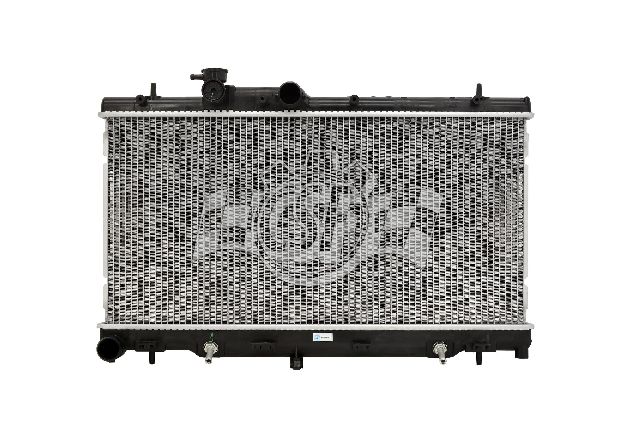
- Performance/HD Brands (Better): Brands such as CSF Radiator and Mishimoto often offer all-aluminum radiators. These eliminate the weak point of plastic end tanks, providing superior durability and sometimes improved cooling performance. They are a great upgrade if you plan to keep your Legacy for a long time or if you live in a hot climate.
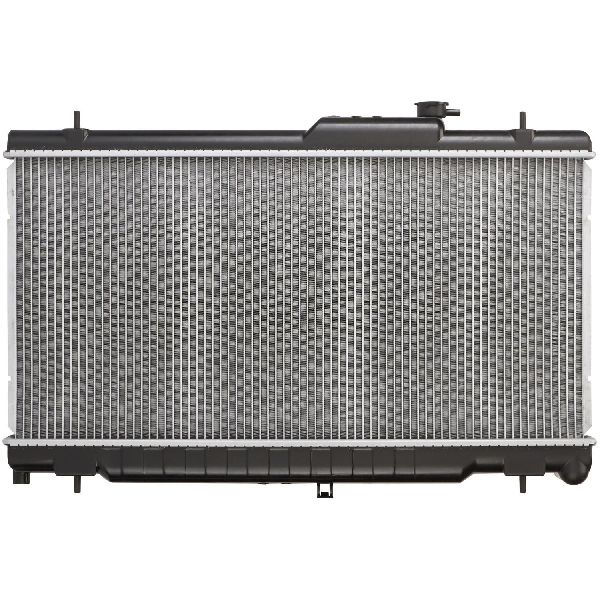
- Budget-Friendly Brands (Acceptable): Companies like Spectra, APDI, and other private labels offer radiators at a lower price point. While they can be a good value, quality can be inconsistent compared to premium brands. They are best suited for budget-conscious repairs where long-term durability is less of a concern.
Pro Tip: Replace More Than Just the Radiator
While you have the cooling system drained, it's the perfect time to replace other related parts. Always install a new radiator cap with a new radiator. Also, inspect the upper and lower radiator hoses and replace them if they feel brittle, soft, or swollen. This can prevent future leaks and save you from doing the same job twice.
Cost of Replacing Your Legacy's Radiator
The cost can vary based on the brand you choose and whether you do the work yourself or hire a professional.
| Part/Service | Estimated Cost |
|---|---|
| New Aftermarket Radiator | $35 - $365 |
| Shop Labor | $250 - $450 |
| Total Professional Replacement | $285 - $815 |
Frequently Asked Questions
Is it difficult to replace the radiator myself?
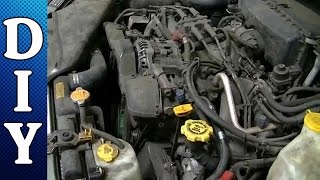
For a mechanically inclined person with basic tools, replacing the radiator on a 1996-2004 Legacy is a manageable DIY job. It typically takes 1-3 hours. The process involves draining the coolant, disconnecting hoses and fan connectors, unbolting the radiator brackets, and swapping the unit. 🎬 Watch this step-by-step guide on removing and replacing your radiator. The most important part is properly refilling and bleeding the air out of the cooling system afterward to prevent overheating.
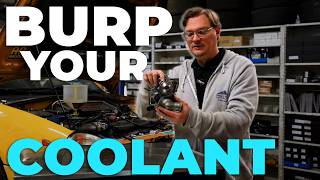
🎬 See how to properly bleed air from your Subaru's cooling system.Should I get an all-aluminum radiator?
An all-aluminum radiator is a worthwhile upgrade for durability. The most common failure on the stock radiator is the plastic end tanks cracking from age and heat. An all-aluminum unit eliminates this weak point. If you plan on keeping your Legacy long-term, it's a smart investment.
Do I need special coolant for my Subaru?
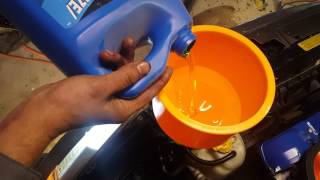
Yes, it's important to use the correct type of coolant. For this generation of Subaru, you should use a high-quality, phosphate-based Asian vehicle coolant. Using the wrong type can lead to corrosion and damage to cooling system components. Always mix with distilled water unless you are using a pre-mixed 50/50 solution.
Can I use a radiator from an automatic transmission car in my manual car?
Yes. Radiators for automatic transmission vehicles include an integrated cooler for the transmission fluid, with two extra ports on the bottom tank. If you have a manual transmission, you can simply leave the caps on these ports and install the radiator as usual. However, you cannot use a manual-specific radiator in an automatic car.
Helpful Videos
Technical Specifications
OEM Part Numbers: 45199AC110 45199AC270 45199AC280
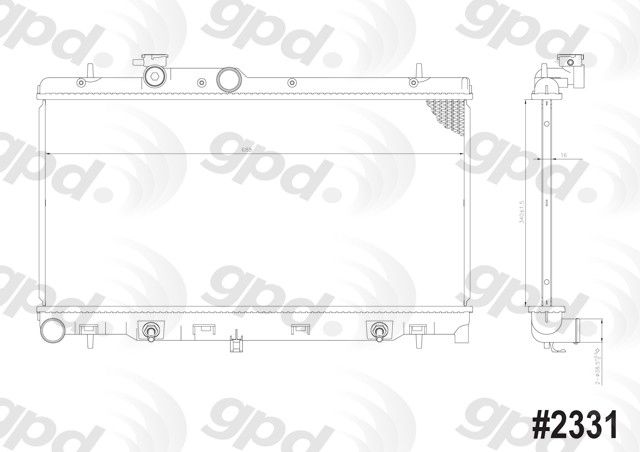
Core Material: Aluminum, Tank Material: Plastic (OEM and most aftermarket) or Aluminum (Performance aftermarket)
We Have This Part in Stock

The information in this article is provided for general reference and educational purposes only. Vehicle specifications, procedures, and part compatibility can vary by production date, trim level, and region. Always consult your vehicle's factory service manual and verify part numbers before purchasing or performing repairs. Safety-critical components such as airbags, seat belts, and braking systems should be installed by a qualified professional.
- Subaru Legacy:
- 🎬 Helpful Videos
- 🛍️ Shop This Part
- Is Your Legacy's Radiator Failing?
- Key Failure Symptoms:
- Known Issues for This Generation
- Choosing the Right Aftermarket Radiator
- Brand Quality Tiers
- Pro Tip: Replace More Than Just the Radiator
- Cost of Replacing Your Legacy's Radiator
- Frequently Asked Questions
- 🎟️ Get 5% Off