

Toyota RAV4 Brake Light Switch Guide: 1996-2004
Solve common brake light, cruise control, and shifting problems on your first-generation or second-generation RAV4.
- A faulty brake light switch can cause brake lights to fail, stay on, prevent shifting from Park, and disable cruise control.
- Before replacing the switch, check for a small, broken plastic stopper on the brake pedal arm, as this is a very common failure point that causes identical symptoms.
- Replacement is a simple DIY task requiring basic tools and proper adjustment of the new switch.
- Quality aftermarket brands like Beck Arnley and Standard Ignition are reliable and cost-effective alternatives to OEM for this part.
Is Your RAV4 Brake Light Switch Failing?
A bad brake light switch on a 1996-2004 RAV4 can create confusing and dangerous problems. Because this part controls more than just the lights, symptoms can appear in different systems of your vehicle. Before you replace bulbs or suspect a major transmission issue, check for these common signs of a failing brake light switch.
Top 5 Failure Symptoms
- Brake Lights Don't Work: The most obvious and dangerous symptom is when your brake lights fail to illuminate when you press the pedal. This is a major safety risk.
- Brake Lights Stay On: The switch can fail in the 'on' position, causing your brake lights to stay lit even when your foot is off the pedal. This will drain your battery and confuse other drivers.
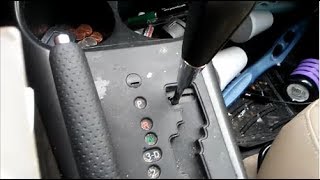
- Cannot Shift Out of Park: Your RAV4 has a safety feature called a shift interlock that prevents you from shifting out of 'Park' unless the brake pedal is pressed. A bad switch won't send the signal, leaving your shifter stuck. 🎬 Watch: How to fix a shift lever stuck in park.
- Cruise Control Won't Engage or Cuts Out: The cruise control system relies on the brake light switch to know when to disengage. If the switch is faulty, your cruise control may not turn on or might shut off unexpectedly while driving.
- ABS or Other Warning Lights: On some models, a faulty brake switch signal can confuse the Anti-lock Brake System (ABS) computer, causing a warning light to appear on your dashboard.
Check This First: The Brake Pedal Stopper
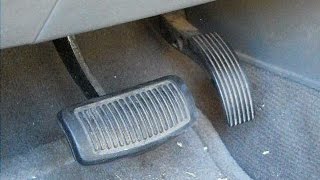
A very common issue on older Toyota vehicles is the disintegration of a small plastic or rubber stopper on the brake pedal arm. This stopper is what physically presses the plunger on the brake light switch when the pedal is not in use. If it breaks and falls out, the switch plunger will remain extended as if the brake were being pressed, causing the brake lights to stay on constantly. Before buying a new switch, look above your brake pedal to see if this small, inexpensive bushing is missing. Replacing it might be all you need to do.
🎬 See how to easily fix brake lights that won't turn off.Choosing the Right Aftermarket Brake Light Switch
For a simple part like a brake light switch, an aftermarket replacement is often a reliable and cost-effective choice compared to a dealership part. Quality among aftermarket brands can vary, but for this component, most reputable brands offer a dependable product. The key is choosing a brand known for good fitment and materials.
| Brand Tier | Available Brands | Quality & Fitment Notes |
|---|---|---|
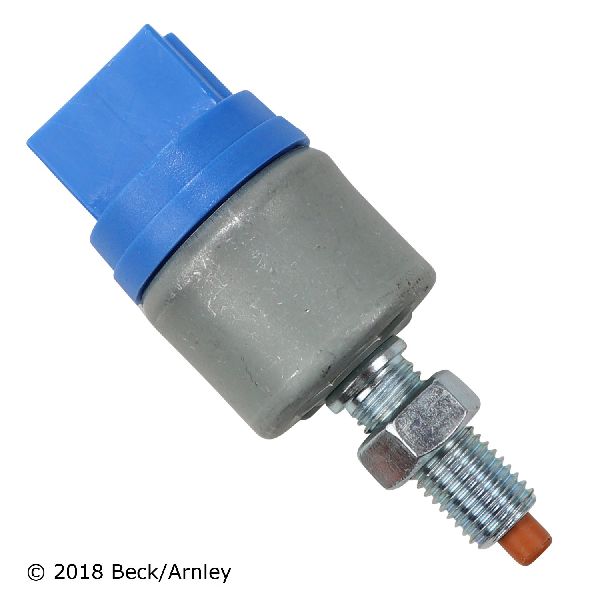
| Premium Aftermarket | Beck Arnley, Standard Ignition (SMP) | These brands have a strong reputation for quality in the import parts world. Beck Arnley is known for often sourcing parts from the original equipment manufacturers, ensuring excellent fit and longevity. Standard Ignition is a long-standing, trusted name in automotive electronics. |
| Standard Aftermarket | Facet, Rostra Powertrain | These brands provide a functional and affordable replacement. While they may not have the same OEM-level pedigree as the premium tier, they are established manufacturers that produce reliable components suitable for this repair. |
Installation Tip
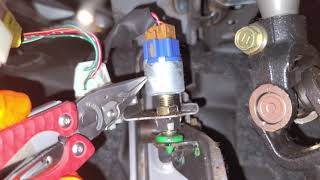
Replacing the brake light switch is a simple DIY job that usually takes less than 30 minutes. 🎬 Watch this step-by-step guide to replacing the switch and fuse. The switch is located on a bracket above the brake pedal. It is typically held in place by a 14mm lock nut. After installing the new switch, you must adjust its position. Screw it in until the plunger is fully depressed when the brake pedal is released, but not so far that it prevents the pedal from fully returning. Tighten the lock nut and test the brake lights to ensure they turn on and off with minimal pedal travel.
Frequently Asked Questions (FAQ)
Can I still drive my RAV4 with a bad brake light switch?
It is not recommended. If your brake lights are not working, it is a serious safety hazard and illegal to drive on public roads. If they are stuck on, your battery will drain. If you cannot shift out of park, the vehicle is immobilized.
Why are my brake lights stuck on?
This is usually caused by one of two things: an internally shorted brake light switch, or a missing plastic stopper on the brake pedal arm that is supposed to push the switch's plunger in. Always check for the stopper first, as it's a very common and cheap fix.
Is a Toyota OEM switch better than aftermarket for my RAV4?
For a simple switch like this, a quality aftermarket part from a brand like Beck Arnley or Standard Ignition offers comparable performance and reliability to OEM for a lower price. Since there are no widespread recalls for this part on the 1996-2004 models, a good aftermarket part is a smart choice.
Do I need any special tools to replace the brake light switch?
No special tools are required. A basic set of wrenches (specifically a 14mm for the lock nut) and possibly a flathead screwdriver is usually all that's needed. Accessing the switch under the dashboard is the most challenging part of the job.
Helpful Videos
Technical Specifications
OEM Part Numbers: 84340-19025 84340-19026 84340-09040 84340-09070 84340-69025
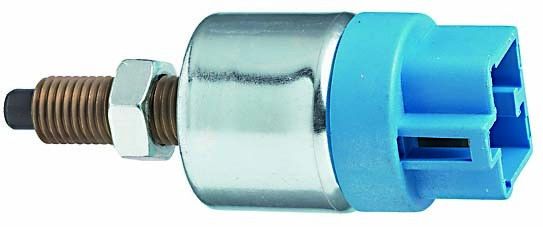
Plunger-style switch with a threaded body and lock nut for adjustment. Typically features a 2-pin or 4-pin electrical connector.
We Have This Part in Stock


The information in this article is provided for general reference and educational purposes only. Vehicle specifications, procedures, and part compatibility can vary by production date, trim level, and region. Always consult your vehicle's factory service manual and verify part numbers before purchasing or performing repairs. Safety-critical components such as airbags, seat belts, and braking systems should be installed by a qualified professional.
- Toyota RAV4: