

Choosing the Right Disc Brake Pads for Your 1996-2004 Volkswagen Jetta
Get the best stopping power and lifespan from your Mk4 Jetta by picking the right brake pads for your driving style.
- Many aftermarket brands like ATE, Textar, and Pagid are original suppliers to VW, offering OEM quality without the dealer price.
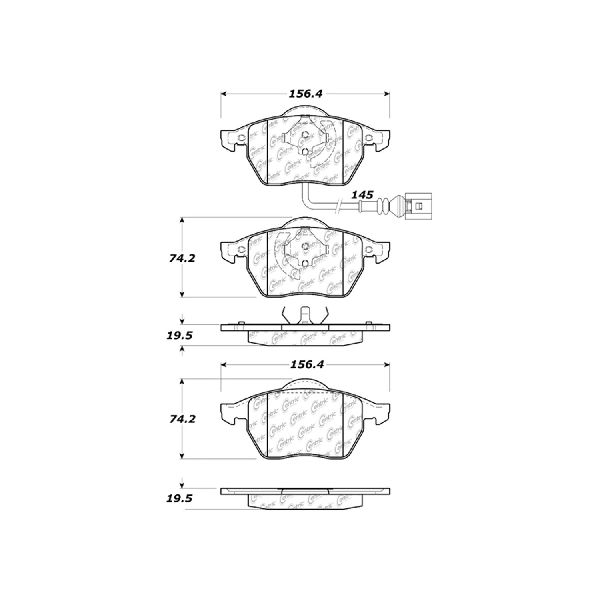
- Your Jetta likely has a single brake pad wear sensor on the driver's side front wheel; check for this before ordering.
- For best performance and to avoid issues, it is strongly recommended to replace your brake rotors at the same time as your pads.
- Be aware of a common issue with premature rear brake wear on this Jetta generation and inspect calipers during replacement.
Signs Your Jetta's Brake Pads Are Failing
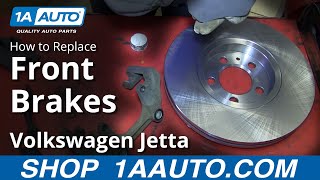
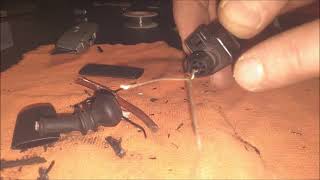
Your 1996-2004 (Mk4) Jetta will give you clear warnings when the brake pads are worn out. Ignoring these signs can lead to more expensive repairs, like needing to replace the brake rotors. Many Jettas of this generation are equipped with a brake pad wear sensor on the front driver's side, which will trigger a warning light on your dashboard 🎬 Watch: Step-by-step guide to replacing your front brake pads when the pads are low.
- Squealing or Grinding Noises: A high-pitched squeal when you apply the brakes is often the first sign. A loud grinding noise means the pads are completely worn away, and the metal backing plate is grinding against the rotor, causing damage.
- Brake Warning Light: If your Jetta has a wear sensor, a light will appear on your dash when the pad material gets too thin and the sensor circuit is broken.
- Vibration or Pulsing: If you feel a pulsing in the brake pedal or a vibration in the steering wheel when braking, your rotors may be warped, which can be caused by worn-out pads.
- Longer Stopping Distances: If you notice your car takes longer to stop than it used to, your brake pads are likely worn and can't create enough friction.
Choosing the Right Aftermarket Brake Pads
When replacing brake pads on your Mk4 Jetta, you have many options beyond the expensive dealership parts. Many aftermarket brands are the same companies that Volkswagen uses to make their original parts. Brands like Textar, Pagid, and ATE are known Original Equipment (OE) suppliers for VW. This means you can get the same quality without the dealership markup. Aftermarket pads also give you more choices for material, like ceramic or semi-metallic, to match your needs.
Brand Tiers for Your Jetta
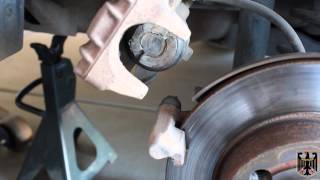
Pro Tip: Many owners of this Jetta generation report premature wear on the rear brakes. When replacing pads, it's a good idea to inspect the rear calipers to ensure they are not sticking 🎬 See how to replace rear brake pads and rotors and are retracting properly.
Tier 1: OEM Equivalent & Daily Drivers
These brands provide performance and quality similar to the original factory pads. They are perfect for daily driving, offering a great balance of quiet operation, low dust, and reliable stopping power.
- ATE: A well-respected German brand and an OE supplier for VW. Their ceramic pads are known for low dust and a linear, predictable feel.
- Textar / Pagid: Both are part of the same parent company and are major OE suppliers to VW and other German automakers. They are considered a top-tier choice for factory-like performance.
- Bosch: The QuietCast™ line is a popular choice, known for being quiet and low-dust, making them a solid daily-driver option.
- Akebono: Famous for their ultra-low dust ceramic pads, they provide clean wheels and quiet, smooth stopping.
Tier 2: Performance & Enthusiast
For drivers who want more aggressive stopping power for spirited driving or autocross. These pads may create more dust and noise than daily driver pads.
- Hawk Performance: Brands like their HPS (High Performance Street) pads offer a noticeable increase in initial bite and fade resistance.
- EBC Brakes: Their Redstuff or Yellowstuff pads are popular upgrades for better performance, though they can be dusty.
- Brembo: While famous for their big brake kits, their standard replacement pads are a quality upgrade that offers reliable performance.
- StopTech: A performance-focused brand offering pads with an aggressive bite for high-performance use.
Tier 3: Economy Options
These pads meet basic safety requirements and are a good choice for budget-conscious owners. They may not last as long or be as quiet as higher-tier options.
- Raybestos: A well-known brand offering reliable, budget-friendly options.
- Centric / Powerstop: Often recommended for their affordable brake kits that include pads and rotors.
- Wagner Brakes: A long-standing brand offering dependable, cost-effective brake pads.
- Dynamic Friction: Provides affordable replacement pads that get the job done for normal driving.
Known Issues: Brake Light Switch Recall
There were several recalls (NHTSA ID: 04V096000, 06V183) for a faulty brake light switch on 1999-2002 Jettas. This could cause the brake lights to fail to illuminate or to stay on continuously. While this isn't a brake pad issue, it's a critical safety system to be aware of for this vehicle generation. You can check with a dealer or NHTSA's website to see if your vehicle was affected and repaired.
| Service | Estimated Cost |
|---|---|
| Aftermarket Pad Set (Parts Only) | $22 - $213 |
| OEM Pad Set (Parts Only) | $90 - $130 |
| Shop Labor Cost | $118 - $179 |
| Total Professional Replacement | $212 - $305 |
Frequently Asked Questions (FAQ)
Do I need to replace my rotors with my brake pads?
It is highly recommended. While you can sometimes get away with just replacing the pads, installing new pads on old, worn rotors can lead to noise, vibration, and reduced pad life. For the best performance and safety, always replace pads and rotors together.
What's the difference between ceramic and semi-metallic pads?
Ceramic pads are known for being quiet, producing very little dust, and being gentle on rotors. Semi-metallic pads typically offer better performance in extreme heat and have a stronger initial "bite," but they can be noisier and create more dust. For most Jetta daily drivers, a quality ceramic pad is an excellent choice.
Does my 1996-2004 Jetta have a brake pad wear sensor?
Many, but not all, Mk4 Jettas have a single brake pad wear sensor located on the inner brake pad of the front driver's side caliper. When the pad wears down, the sensor makes contact with the rotor, breaks a wire loop, and illuminates a warning light on your dashboard. You should always visually confirm if your car has one before ordering parts.
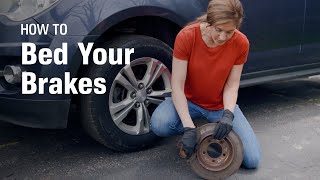
What is "bedding-in" new brake pads?
Bedding-in is the process of breaking in your new pads and rotors. It involves a series of controlled stops to transfer an even layer of friction material from the pad to the rotor. This ensures smooth, quiet, and effective braking. Most manufacturers provide specific instructions, but it typically involves several moderate stops from around 60 mph down to 10 mph without coming to a complete stop, followed by a cool-down period.
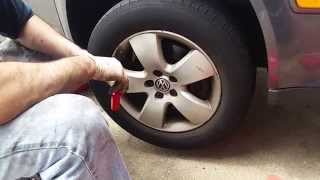
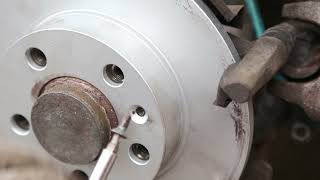
🎬 Watch: How and why to bed your new brakesHelpful Videos
Technical Specifications
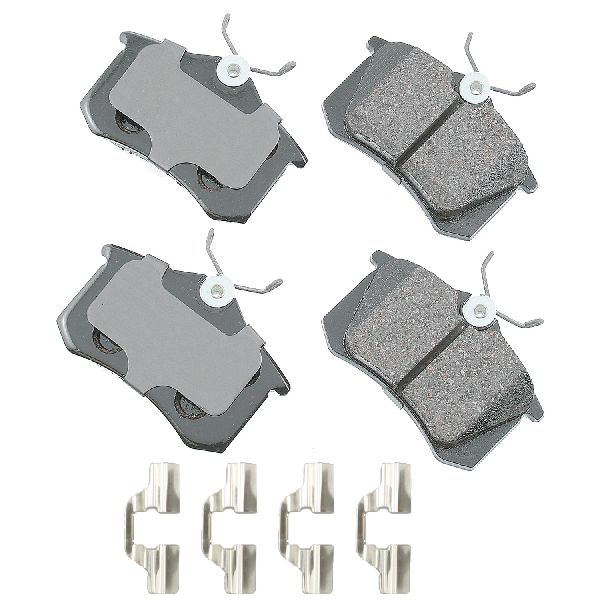
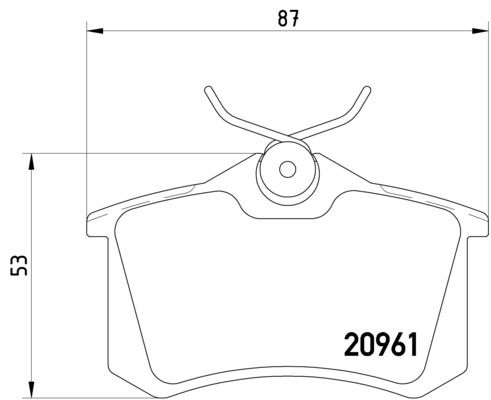
OEM Part Numbers: 1J0698151K 1J0698451K
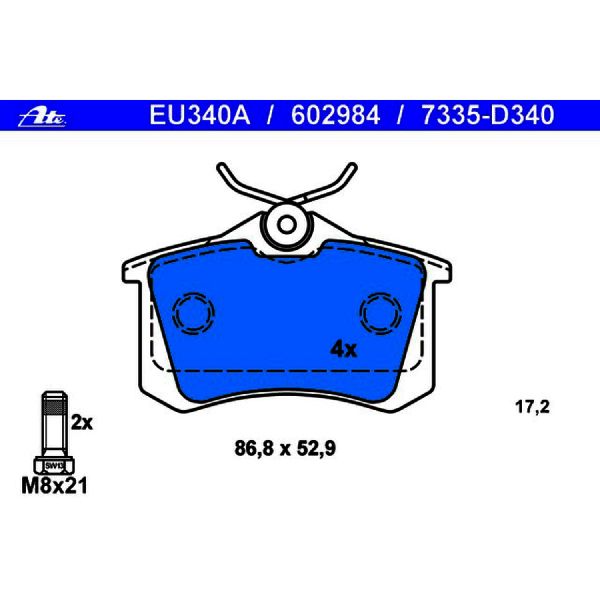
Brake system varies by engine size (e.g., 1.8T, 2.0L, VR6, TDI) and model year, affecting rotor and pad size. Always verify fitment for your specific vehicle trim. Front pads on many models include a wear sensor.
We Have This Part in Stock

The information in this article is provided for general reference and educational purposes only. Vehicle specifications, procedures, and part compatibility can vary by production date, trim level, and region. Always consult your vehicle's factory service manual and verify part numbers before purchasing or performing repairs. Safety-critical components such as airbags, seat belts, and braking systems should be installed by a qualified professional.
- Volkswagen Jetta: