

Choosing the Right New Brake Pads for Your 1996-2005 Acura RL
Stop guessing which brake pads are right for your first-generation RL; here's what you need to know.
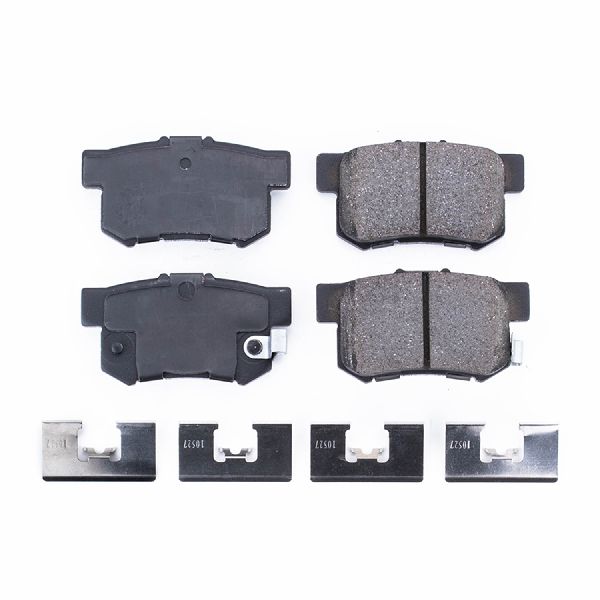
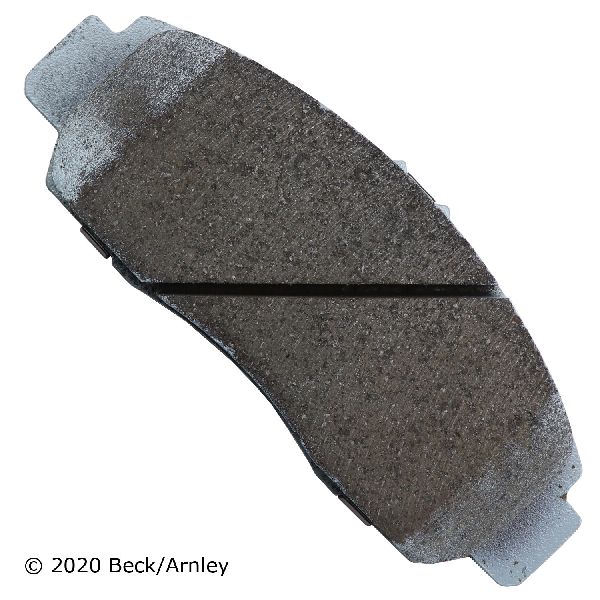
- For a quiet, clean, factory-like feel, choose premium ceramic pads from brands like Akebono, Advics, or Bosch.
- If you hear grinding, stop driving. You are damaging your rotors and compromising your safety.
- Brake pad replacement on a 1996-2005 RL is a straightforward DIY job for those with basic tools and mechanical experience.
- Always replace or resurface rotors when installing new pads for the best performance and longevity.
Signs It's Time for New Brake Pads
Your Acura RL will give you clear warnings when its brake pads are getting low. Ignoring them can lead to more expensive repairs. Listen for a high-pitched squealing noise when you first press the brake pedal. This comes from a small metal tab called a wear indicator, and it's your first sign to start shopping for pads. If you hear a loud grinding or growling sound, stop driving immediately. This means the pads are completely worn away, and you are causing serious damage to your brake rotors.
Choosing the Right Aftermarket Pads for Your RL
The first-generation Acura RL is a heavy, comfortable sedan, and your choice of brake pads should match its character. While factory Acura pads are a good option, many aftermarket brands offer similar or better performance for less money. Here’s how to choose:
Tier 1: OEM-Grade & Premium Ceramic Pads
These pads are for the RL owner who wants quiet, smooth, and clean operation, just like the car had when it was new. They are almost always made of ceramic compounds.
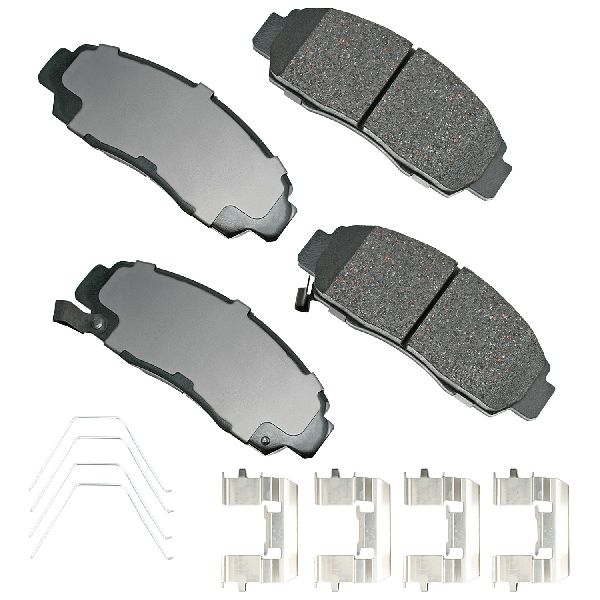
- Akebono: Often the original equipment (OEM) supplier for Honda and Acura, Akebono pads are a top choice for matching factory performance. The ProACT line is known for being extremely quiet, low-dust, and gentle on rotors. Many RL owners on forums recommend them as a reliable replacement.
- Advics: Another OEM supplier for Japanese vehicles, Advics is also a safe bet for factory-like feel and quality.
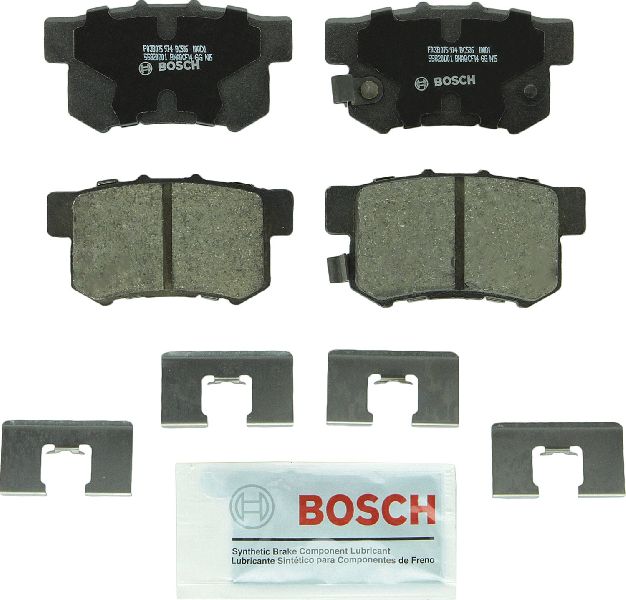
- Bosch: The QuietCast line is a popular premium ceramic option that competes directly with Akebono. They are known for quiet operation and good manufacturing quality, though some users note they may have slightly less initial pad material than Akebono.
- Wagner Brakes: The Wagner OEX line provides good, quiet stopping power and is a trusted name in the aftermarket.
Tier 2: Performance & Sport Pads
If you want more initial bite and improved stopping power for spirited driving, these pads are a great upgrade. The trade-off can be more brake dust and a slight increase in noise when cold.
- Hawk Performance: Hawk offers several compounds. The HPS (High Performance Street) pads are a great first step into performance braking, offering better stopping power than stock with manageable dust and noise. For more aggressive driving, the HP Plus is an option, but expect more noise and dust.
- EBC Brakes: EBC has a color-coded system. Redstuff pads are ceramic-based, offering a good boost in performance with low dust. Yellowstuff pads provide even more stopping power but come with more dust and are better for fast street use.
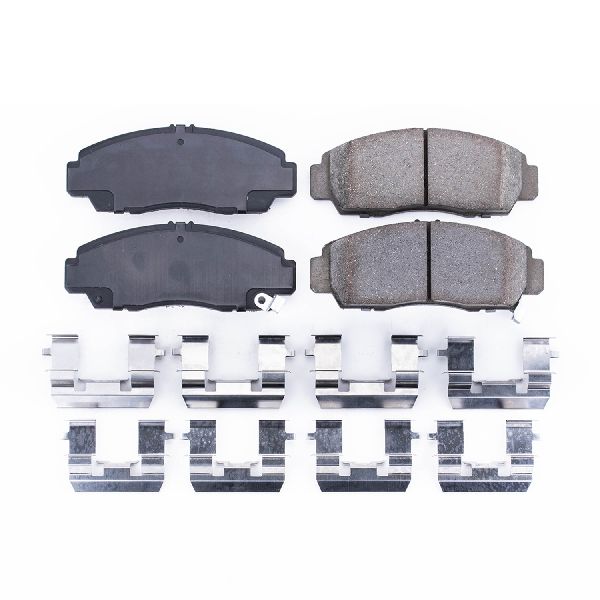
- StopTech & Powerstop: These brands offer complete kits that often include pads and rotors. Their sport-focused pads are a popular choice for drivers looking for a noticeable upgrade in braking performance.
Tier 3: Economy & Daily Driver Pads
If you're on a tight budget, these pads will get the job done safely for normal daily driving. They may not be as quiet or low-dusting as premium options.
- Centric: Centric offers a wide range of pads, from their basic C-TEK line to their premium Posi Quiet pads. They are generally considered a good value.
- Dynamic Friction & Pronto: These brands focus on providing affordable, reliable replacement parts that meet or exceed basic factory specifications.
- Raybestos: A long-standing brand, Raybestos Element3 pads are a dependable choice for everyday use.
Known Issues, Recalls, or TSBs
Searches for the 1996-2005 Acura RL show no major recalls specifically for the brake pads. However, a Technical Service Bulletin (TSB) for the 2005 model year, TSB #05021, was issued for a "RATTLE FROM FRONT SUSPENSION AREA OR FRONT BRAKES SQUEAL AT LOW SPEED". Another TSB, #07041, mentions the "BRAKE PEDAL IS LOW AND FEELS SOFT". While these TSBs exist, widespread pad-related problems for this generation are not commonly reported by owners. Most issues are related to normal wear and tear.
Cost of New Aftermarket Brake Pads (1996-2005 Acura RL)
| Item | Estimated Cost |
|---|---|
| New Aftermarket Brake Pad Set (Front or Rear) | $25 - $150 |
| Shop Labor to Install (Front or Rear) | $126 - $184 |
| Total Professional Installation (per axle) | $151 - $334 |
Costs are estimates and can vary based on brand, location, and the condition of your other brake components. It is often recommended to replace or resurface brake rotors at the same time.
Frequently Asked Questions (FAQ)
Do I need ceramic or semi-metallic pads?
For the Acura RL, ceramic pads are highly recommended. They produce less dust, are quieter, and provide the smooth stopping power that suits the car's luxury feel. Semi-metallic pads can offer more bite in aggressive driving but are generally noisier and create more black dust that will dirty your wheels.
Should I replace my rotors with my pads?
It is best practice to either replace or resurface your rotors when you install new pads. This ensures the new pads have a perfectly flat, clean surface to bed into, which gives you the best performance and prevents vibrations. Installing new pads on old, grooved rotors can cause noise and reduce the life of the new pads.
Can I replace just the front or rear pads?
Yes. Brake pads are always replaced in pairs, either both front wheels or both rear wheels at the same time. Your front brakes do most of the work and will typically wear out faster than the rears.
What is brake pad break-in or bedding?
Break-in, or bedding, is a process of transferring a thin, even layer of friction material from the new pads onto the rotor. This is crucial for smooth, powerful, and quiet braking. Most manufacturers provide a specific procedure, which usually involves a series of controlled stops from different speeds to heat up the pads and rotors. Always follow the instructions included with your new pads.
Technical Specifications
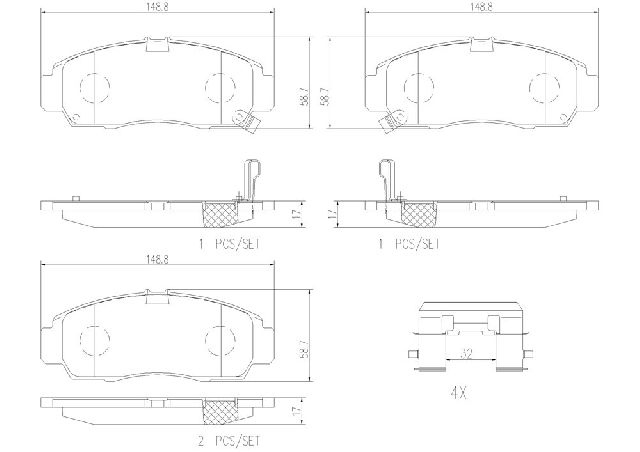
OEM Part Numbers: 45022-SJA-050 43022-SP0-030 43022-SZ3-A02 45022-SEP-A12
The 1996-2005 Acura RL uses a single-piston sliding caliper for the rear brakes and a more robust dual-piston fixed caliper for the front brakes on most models. Pad replacement procedures differ slightly between front and rear.
We Have This Part in Stock

The information in this article is provided for general reference and educational purposes only. Vehicle specifications, procedures, and part compatibility can vary by production date, trim level, and region. Always consult your vehicle's factory service manual and verify part numbers before purchasing or performing repairs. Safety-critical components such as airbags, seat belts, and braking systems should be installed by a qualified professional.
- Acura RL:
- 🛍️ Shop This Part
- Signs It's Time for New Brake Pads
- Choosing the Right Aftermarket Pads for Your RL
- Tier 1: OEM-Grade & Premium Ceramic Pads
- Tier 2: Performance & Sport Pads
- Tier 3: Economy & Daily Driver Pads
- Known Issues, Recalls, or TSBs
- Cost of New Aftermarket Brake Pads (1996-2005 Acura RL)
- Frequently Asked Questions (FAQ)
- 🎟️ Get 5% Off