

Audi A6 Engine Crankcase Breather Hose Failures (1996-2005)
Understanding the common issues with the crankcase breather system on your C4 or C5 Audi A6.
- The original plastic breather hoses on 1996-2005 Audi A6s are a common failure item that will eventually crack or clog.
- Symptoms include a Check Engine Light for lean codes, whistling noises, rough idle, and new or worsening oil leaks.
- Replacement is labor-intensive, especially on the 2.7T engine where the assembly is under the intake manifold.
- Consider premium aftermarket brands like CRP/Rein or upgraded silicone kits for a more durable, long-term repair.
Understanding Breather Hose Failure on Your 1996-2005 Audi A6
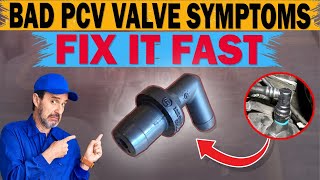
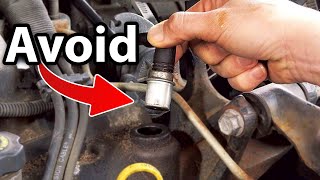
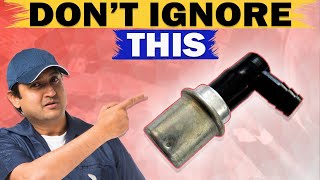
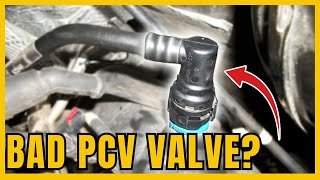
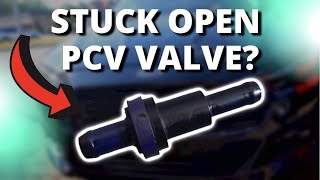
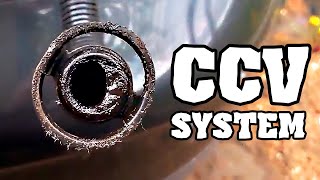
The crankcase ventilation (PCV) system on the C5 generation Audi A6, particularly on the 2.7T and 2.8L V6 engines, is a well-known failure point. The original parts were made from a combination of plastic and rubber that becomes extremely brittle over time due to constant exposure to heat and oil fumes. Eventually, these hoses crack, break, or become clogged with oily sludge, leading to a variety of engine problems. 🎬 Watch: Common symptoms and signs of a failing PCV valve This is not a matter of if, but when, these original hoses will fail.
Choosing the Right Aftermarket Part
When your factory breather hose assembly fails, you have a choice between another OEM-style plastic part or an upgraded aftermarket version. Given that the original design is prone to failure, many owners opt for aftermarket solutions.
Aftermarket Brand Quality Tiers
Not all aftermarket brands are created equal. For a critical system like this, choosing a quality part can save you from having to do the job twice.
- Premium Brands (CRP/Rein, Vaico): Brands like CRP (which includes the Rein Automotive line) and Vaico are often considered OEM-equivalent or better. They are known for good fitment and using quality materials. For a complex job like this, spending a little more on a premium brand is a wise investment.
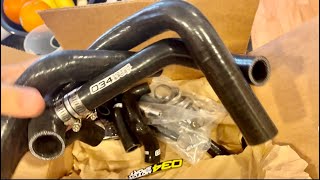
- Upgraded Silicone Kits: For the 2.7T engine, several companies offer complete replacement kits made from high-quality silicone. These are designed to last much longer than the original plastic parts and resist degradation from heat and oil. While more expensive, they are often seen as a permanent solution to this common problem. 🎬 See how to replace a broken spider hose with silicone
- Standard/Value Brands (URO Parts, Motormite): URO Parts has a mixed reputation; some of their parts are fine for non-critical applications, but for complex components with high labor costs for installation, many owners and mechanics recommend avoiding them. Motormite (Dorman) falls into a similar value category. While the initial price is lower, the risk of premature failure and poor fitment can be higher.
Frequently Asked Questions (FAQ)
Why is the replacement so expensive?
While the part itself can be affordable, the labor is often the biggest cost. On engines like the 2.7T, the entire breather hose assembly is buried under the intake manifold, requiring many hours of labor to access and replace.
Can I just replace the one hose that's broken?
The breather system is an interconnected assembly. The plastic and rubber degrade at the same rate, so if one hose has cracked, the others are not far behind. It is highly recommended to replace the entire assembly at once to avoid repeated repairs.
What is the "spider hose"?
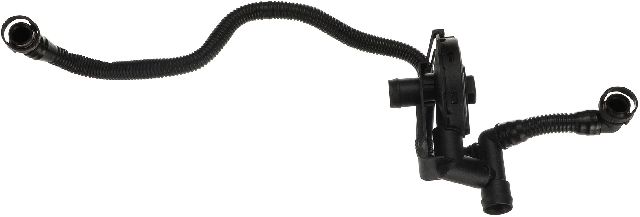
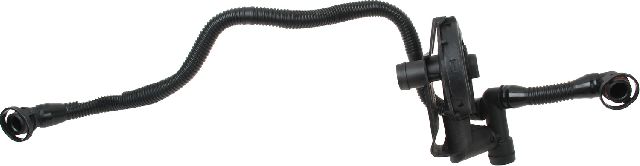
This is a common nickname for the complex, multi-limbed breather hose assembly found on many Audi V6 engines, including the 2.7T and 2.8L.
Are silicone hose kits a better option?
For the 2.7T engine, many owners consider silicone kits a significant upgrade. Silicone is more durable and resistant to heat and oil than the original plastic. While the upfront cost is higher, it can prevent future failures, making it a cost-effective long-term solution.
Helpful Videos

Technical Specifications
OEM Part Numbers: 078103235G 078103235R 06C103217H 077103235N
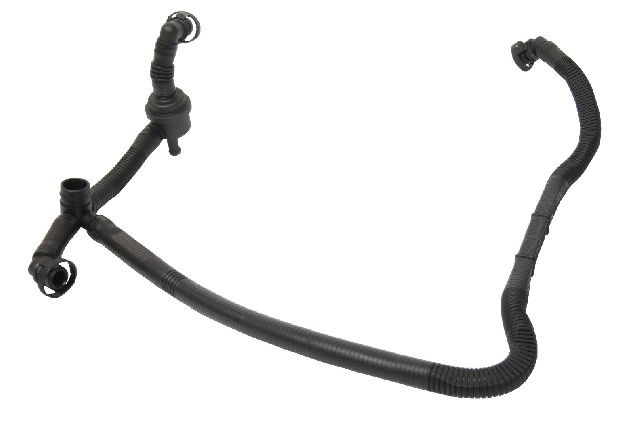
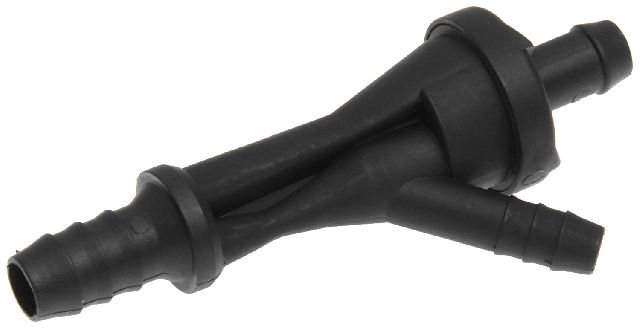
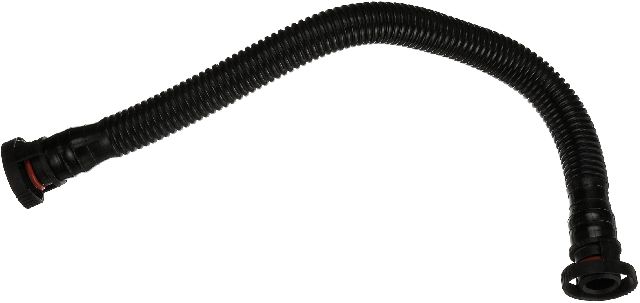
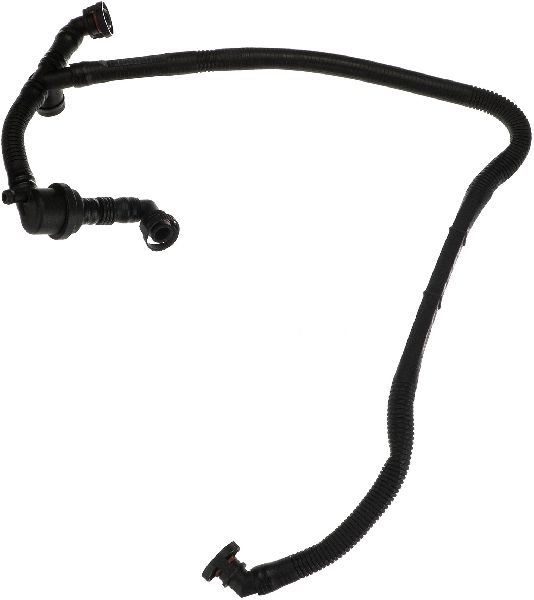
The breather hose system for the 1996-2005 Audi A6 is highly engine-specific. The V6 models (2.7T, 2.8L) use a complex, multi-piece assembly often called a 'spider hose', made of rigid plastic tubes and flexible rubber connectors. The V8 models have a different, though functionally similar, setup. The system includes various check valves and a pressure control valve (PCV) to regulate pressure and flow. Failure is almost always due to the heat-induced embrittlement of the plastic and rubber components.
We Have This Part in Stock

The information in this article is provided for general reference and educational purposes only. Vehicle specifications, procedures, and part compatibility can vary by production date, trim level, and region. Always consult your vehicle's factory service manual and verify part numbers before purchasing or performing repairs. Safety-critical components such as airbags, seat belts, and braking systems should be installed by a qualified professional.
- Audi A6: