

Guide to the 1996-2005 Buick Century Crankshaft Position Sensor
Solve common stalling, misfiring, and no-start issues by understanding and choosing the right crankshaft position sensor for your vehicle.
- A failing crankshaft sensor is a common cause of no-start and stalling issues in the 1996-2005 Buick Century.
- For reliability, choose OEM-grade brands like ACDelco or Delphi, especially for the hard-to-reach rear sensor.
- The 3.1L V6 engine has two separate crankshaft sensors; proper diagnosis is needed to identify the failed part.
- A 'relearn' procedure with a scan tool may be necessary after replacement to ensure the engine runs correctly.
Symptoms of a Failing Crankshaft Sensor in a Buick Century

When the crankshaft position sensor in your 1996-2005 Buick Century starts to fail, it can cause a range of problems from annoying to leaving you stranded. Because the sensor's signal is essential for engine operation, symptoms are often severe. You might notice one or more of the following signs:
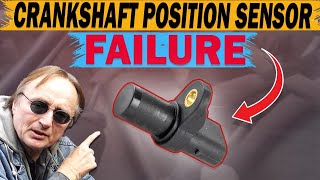
🎬 Watch a detailed breakdown of common bad crankshaft sensor symptoms.- Engine Will Not Start: The engine cranks over but never starts. This happens because the computer doesn't know when to fire the spark plugs or inject fuel.
- Intermittent Stalling: The engine shuts off unexpectedly while driving. 🎬 See how a Buick Century stalling issue was successfully fixed. This is a serious safety concern, as it can happen at any speed.
- Rough Idle and Misfires: Your car may shake or vibrate at a stop, and you might feel a stumbling or hesitation as the engine misfires.
- Check Engine Light: A failing sensor will almost always trigger the Check Engine Light. Common trouble codes include P0335 (Crankshaft Position Sensor 'A' Circuit Malfunction) and P0336. 🎬 Learn more about diagnosing and fixing the P0335 trouble code.
- Poor Acceleration: The car may feel sluggish or hesitant when you press the gas pedal because the ignition and fuel timing are incorrect.
Two Sensors, One Job
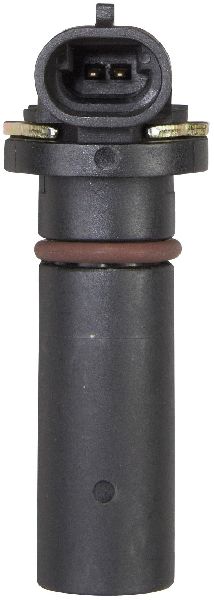
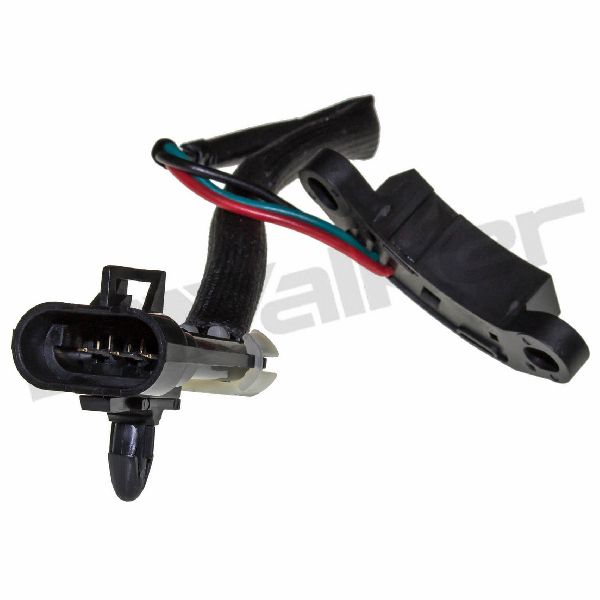
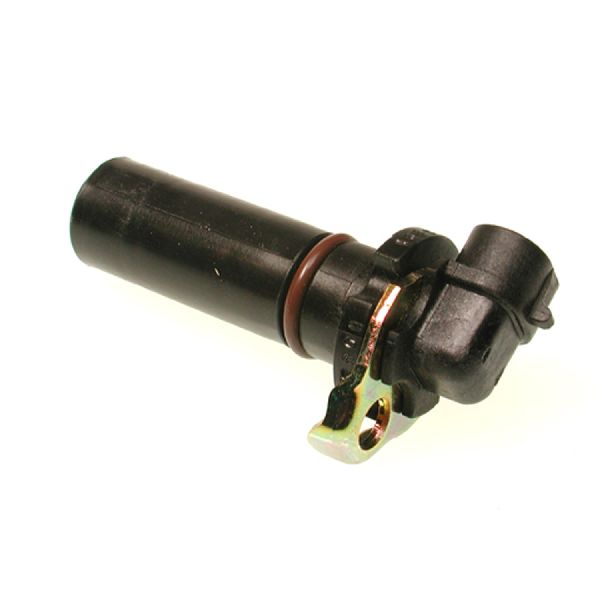
The 3.1L V6 engine, common in these Buick Century models, actually uses two crankshaft position sensors. One sensor (often called the 24x sensor) is located behind the harmonic balancer on the front of the engine. The other (the 7x sensor) is on the back of the engine block. They work together to provide precise timing information. A failure in either can cause problems, though a bad 7x sensor is often linked to a no-start condition. It's important to diagnose which sensor has failed before ordering a replacement.
Choosing the Right Aftermarket Crankshaft Sensor

When it comes to critical electronic sensors like the crankshaft position sensor, quality matters. A cheap, poorly made sensor can fail quickly, leaving you with the same problem. For this generation of GM vehicles, sticking with brands known for their OEM (Original Equipment Manufacturer) quality is a smart investment.
Brand Quality Tiers
- Tier 1: OEM & Premium Aftermarket: ACDelco and Delphi are the top choices. Delphi was often the original parts supplier to GM, and ACDelco is GM's own parts brand. These parts are engineered to the original specifications for performance and durability. Other high-quality brands like NGK (NTK) and Hitachi are also excellent choices known for their reliability.
- Tier 2: Quality Aftermarket: Brands like Standard Ignition (SMP), Beck Arnley, and Holstein offer a good balance of quality and price. They are generally considered reliable replacements for daily drivers.
- Tier 3: Economy Brands: Brands like Dorman, Spectra, and other lower-priced options can be a viable choice for a budget repair. However, forum discussions sometimes mention a higher failure rate for these budget-tier sensors on critical applications. While they come with a warranty, the inconvenience of a repeat repair is something to consider, especially since labor can be intensive.
Pro Tip: Given the difficulty in accessing the rear (7x) sensor, it is highly recommended to use a Tier 1 brand like ACDelco or Delphi for that specific replacement to avoid doing the job twice. The front (24x) sensor is easier to access, but quality is still key.
| Brand Tier | Part Price Range |
|---|---|
| Tier 1 (ACDelco, Delphi, NGK) | $45 - $135 |
| Tier 2 (Standard, Beck Arnley, Holstein) | $30 - $75 |
| Tier 3 (Dorman, Spectra, etc.) | $18 - $50 |
Frequently Asked Questions (FAQ)

Where is the crankshaft position sensor located on a 1996-2005 Buick Century?
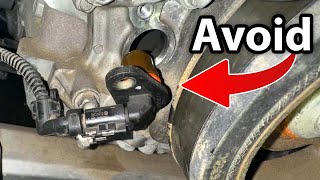
The 3.1L V6 engine has two crankshaft sensors. The primary one (24x) is located on the front of the engine, behind the main crankshaft pulley (harmonic balancer). The secondary one (7x) is located on the rear of the engine block, near the transmission and below the exhaust manifold, making it very difficult to access.
Can I replace the crankshaft sensor myself?
Replacing the front (24x) sensor is feasible for a DIYer with the right tools, including a harmonic balancer puller. However, replacing the rear (7x) sensor is a very difficult job due to its location. It often requires accessing it from underneath the car and working in a tight space, which can be frustrating. Many owners opt to have a professional mechanic handle the rear sensor replacement.
Are there any recalls for the crankshaft position sensor on the Buick Century?
A search of the National Highway Traffic Safety Administration (NHTSA) database shows no specific recalls for the crankshaft position sensor itself on the 1996-2005 Buick Century. However, always check for the latest recall information using your vehicle's VIN.
What is a crank relearn procedure?
After replacing a crankshaft position sensor, some vehicles require a "relearn" or "CASE learn" procedure. This calibrates the new sensor with the engine's computer. Without it, the engine may still run rough or keep the check engine light on. This procedure often requires a professional-grade scan tool.
Helpful Videos

Technical Specifications
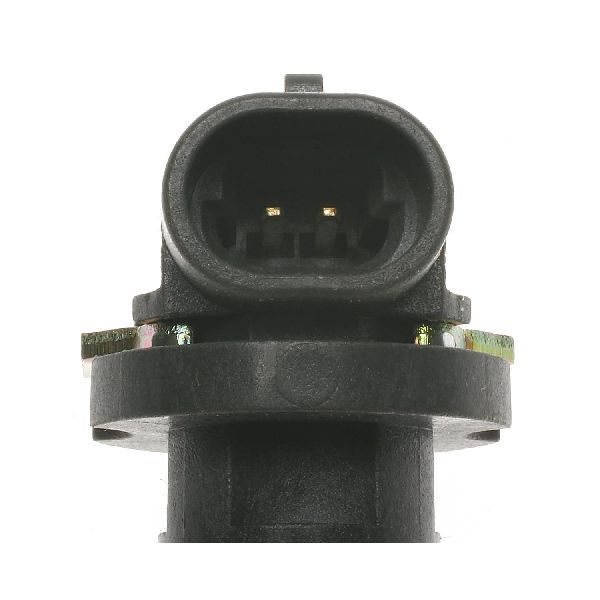
OEM Part Numbers: 10456161 213-148 12567649 213-921
The 1996-2005 Buick Century with the 3.1L V6 uses two distinct crankshaft position sensors: a 24x sensor located behind the harmonic balancer and a 7x sensor located in the rear of the engine block. Both are typically three-wire magnetic or Hall-effect sensors.
We Have This Part in Stock


The information in this article is provided for general reference and educational purposes only. Vehicle specifications, procedures, and part compatibility can vary by production date, trim level, and region. Always consult your vehicle's factory service manual and verify part numbers before purchasing or performing repairs. Safety-critical components such as airbags, seat belts, and braking systems should be installed by a qualified professional.
- Buick Century: