

A Guide to the Mass Air Flow Sensor for the 1996-2005 Buick Park Avenue
Understand, diagnose, and choose the right new aftermarket Mass Air Flow (MAF) sensor for your Park Avenue.
- A failing MAF sensor can cause stalling, hesitation, and even transmission shifting problems on your Park Avenue.
- For electronic sensors, stick to high-quality brands like ACDelco, Delphi, or Hitachi; avoid cheap, no-name parts.
- Replacement is a very easy 15-minute DIY job that only requires a screwdriver or Torx bit.
- Before replacing, try cleaning the sensor with dedicated MAF cleaner spray, as dirt is a common cause of failure.
Is Your Park Avenue Stalling or Running Rough? It Could Be the MAF Sensor

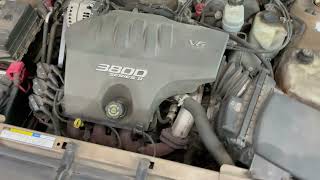
If your 1996-2005 Buick Park Avenue is hesitating, stalling at idle, or getting poor gas mileage, a failing Mass Air Flow (MAF) sensor is a likely suspect. This sensor is vital for engine performance, and when it starts to go bad, it can cause a variety of noticeable problems. Because the Park Avenue's 3800 engine is sensitive to the air-fuel mixture, a faulty MAF sensor can even cause issues that seem unrelated, like hard or delayed transmission shifting.
Don't Ignore a Bad MAF Sensor
Driving with a bad MAF sensor is not recommended. While the car may still run, the incorrect air-fuel mixture can lead to long-term damage to other expensive components, like the catalytic converter, due to running too rich (too much fuel) or too lean (not enough fuel).
Symptoms of a Failing MAF Sensor on a Buick Park Avenue

A dirty or failing MAF sensor will send incorrect data to the engine's computer, leading to a range of performance issues. Here are the most common signs:
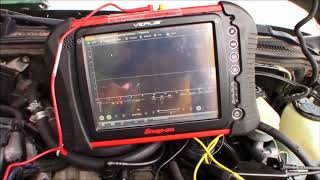
- Check Engine Light: This is often the first sign. The most common trouble codes are P0101 (Mass Air Flow Circuit Range/Performance) and P0102 (Mass Air Flow Circuit Low Input). 🎬 Watch: How to perform a MAF sensor tap test.
- Rough Idle & Stalling: The engine may shake, run unevenly, or stall completely when you're stopped at a light. This was a common complaint for Park Avenue owners with a bad sensor.
- Hesitation and Jerking: The car may hesitate or jerk when you accelerate.
- Poor Fuel Economy: If you're filling up the tank more often, a bad MAF sensor could be tricking the engine into using too much fuel.
- Black Smoke from Exhaust: This is a clear sign the engine is running rich (burning too much fuel) because of a bad MAF reading.
- Transmission Shifting Problems: On these GM vehicles, a faulty MAF sensor can affect transmission line pressure, causing hard or delayed shifts.
Try Cleaning It First
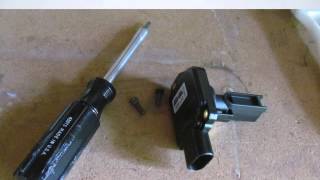
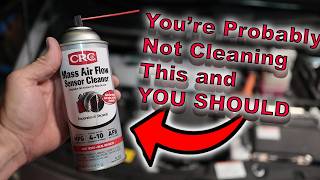
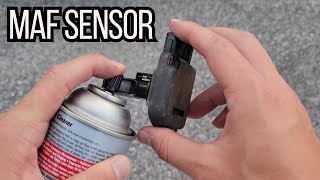
Sometimes, the sensor wire is just dirty, not broken. Before buying a new part, you can try cleaning the sensor using a dedicated MAF sensor cleaner spray. Do not touch the delicate sensor wires with anything. 🎬 See this quick guide on cleaning your sensor safely. If cleaning doesn't solve the problem, replacement is the next step.
Choosing the Right Aftermarket MAF Sensor: Brand Quality Matters

When it comes to electronic sensors for your Park Avenue, brand quality is extremely important. Many owners have reported that cheap, no-name aftermarket sensors either don't work correctly out of the box or fail quickly. For a critical component like the MAF sensor, it's best to stick with reputable brands known for making GM's original parts.
Tier 1: OEM & OEM-Equivalent Brands
These brands are either the original equipment manufacturer (OEM) or are known to produce parts that meet or exceed OEM standards. They are the most reliable choice.
- ACDelco / GM Genuine: This is GM's own parts brand. Choosing an ACDelco GM Original Equipment part ensures you are getting the same quality as the part that came on your car from the factory. However, be aware that ACDelco also has lower-tier lines that may be re-boxed parts from other manufacturers.
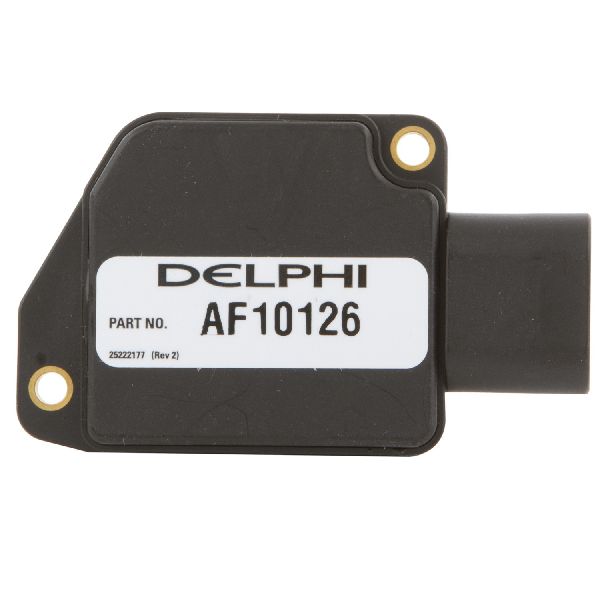
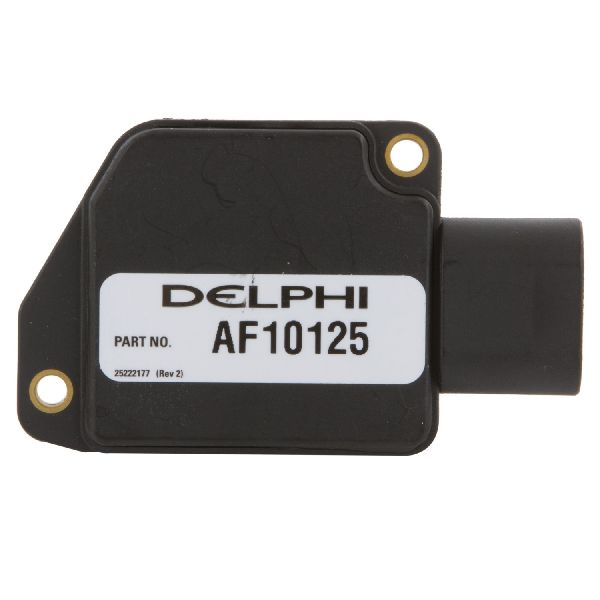
- Delphi: Delphi was a part of GM and was the original manufacturer for many of its electronic components. A Delphi sensor is often considered an OEM-quality equivalent and is a trusted choice.
- Hitachi: Hitachi was an OEM supplier for many GM vehicles of this era, and their MAF sensors are highly regarded for quality and reliability. Many mechanics and owners consider Hitachi the best choice if available.
Tier 2: Reputable Aftermarket Brands
These brands are well-known in the aftermarket and generally offer good quality, though experiences can sometimes be more mixed than with OEM suppliers.
- NGK / NTK: NTK is the sensor division of NGK. They are famous for their oxygen sensors and make high-quality engine management sensors.
- Standard Motor Products (SMP): A long-standing aftermarket manufacturer. Their standard line (avoid the cheaper "T-series") is generally considered reliable.
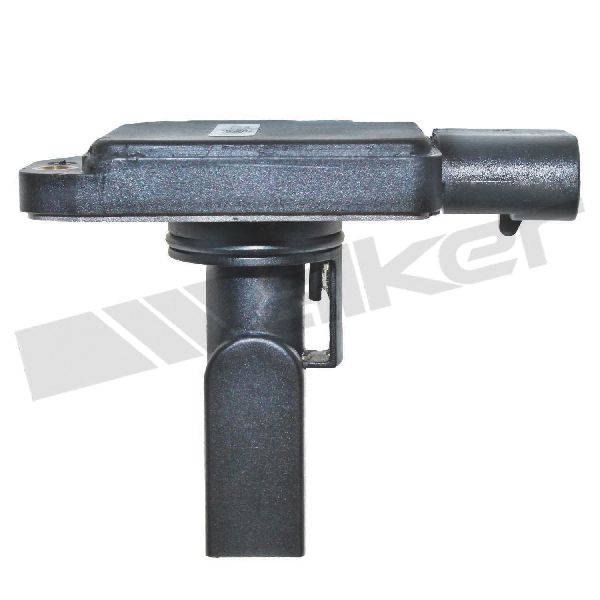
- Walker Products: A known brand in fuel and engine management parts.
Tier 3: Budget & Remanufactured Brands (Use with Caution)
These brands offer parts at a lower price point, but quality can be inconsistent. Owner forums show mixed results, with some parts failing quickly.
- Cardone (Remanufactured): Cardone is a major supplier of remanufactured parts. While they claim to meet OE specifications, owner experiences with their remanufactured MAF sensors are very mixed, with some reporting immediate issues.
- Spectra, DriveWire, Global Parts: These often fall into the budget category. While they may work, they are generally not recommended for a critical sensor on this vehicle due to a higher potential for issues.
Cost to Replace a 1996-2005 Park Avenue MAF Sensor
The MAF sensor is one of the easiest parts to replace on the 3800 engine, making it a great DIY job that can save you money.
| Part / Service | Estimated Cost |
|---|---|
| New Aftermarket MAF Sensor | $58 - $260 |
| Shop Labor | $37 - $54 |
| Total (DIY) | $58 - $260 |
| Total (at a shop) | $95 - $314 |
Frequently Asked Questions (FAQ)

Is it hard to replace the MAF sensor on a Park Avenue?
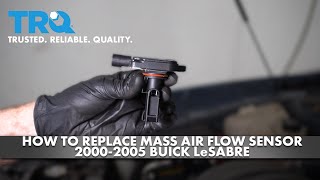
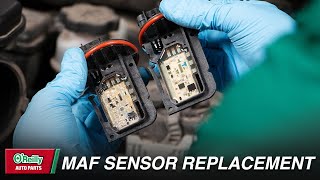
No, it is very easy. The sensor is located on the main air intake tube and is held in place by two Torx screws. You simply disconnect the electrical plug, unscrew the old sensor, and install the new one. The entire job typically takes less than 15 minutes.
🎬 Watch a 2001 Park Avenue MAF sensor replacement walkthrough.Do I need to disconnect the battery to change the MAF sensor?
Yes, it is always a good practice to disconnect the negative battery terminal before working on any electronic component of your vehicle to prevent electrical damage. After replacement, reconnect the battery and clear any stored trouble codes with a scanner if possible.
What is the difference between the sensor and the housing?
For this Buick Park Avenue, you typically only need to replace the sensor element itself, which is the small electronic part that screws into the air duct housing. You do not need to replace the entire plastic or metal tube unless it is cracked or damaged, which would cause a vacuum leak.
My Park Avenue is supercharged. Does it use a different MAF sensor?
Yes, the naturally aspirated (non-supercharged) and the supercharged (Ultra) models of the Park Avenue may use different MAF sensors. The 3800 Series II engine, used from 1996 onwards, has specific sensor requirements. Always verify the part fits your exact sub-model (Base or Ultra) before purchasing.
Can an oiled air filter damage my MAF sensor?
Yes. Aftermarket "wet" or oiled air filters can release a fine mist of oil that coats the delicate hot wire of the MAF sensor, causing it to fail. It is highly recommended to use a high-quality, dry paper air filter to protect your new MAF sensor.
Helpful Videos
Technical Specifications
OEM Part Numbers: 24500737 88961003 88961001 88961004 19112569
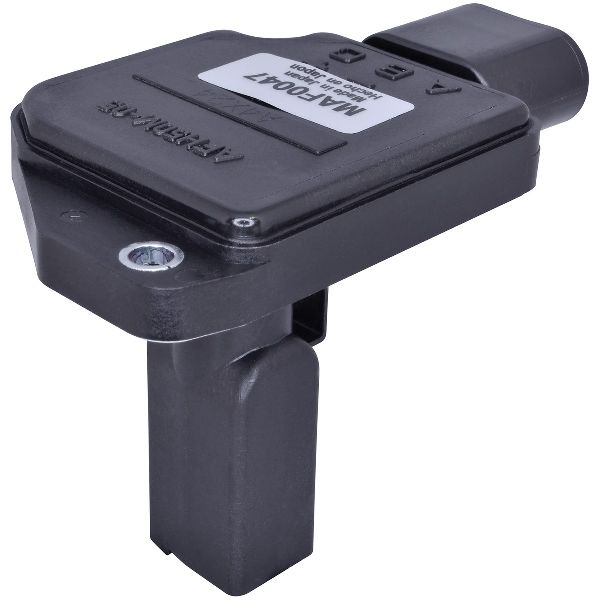
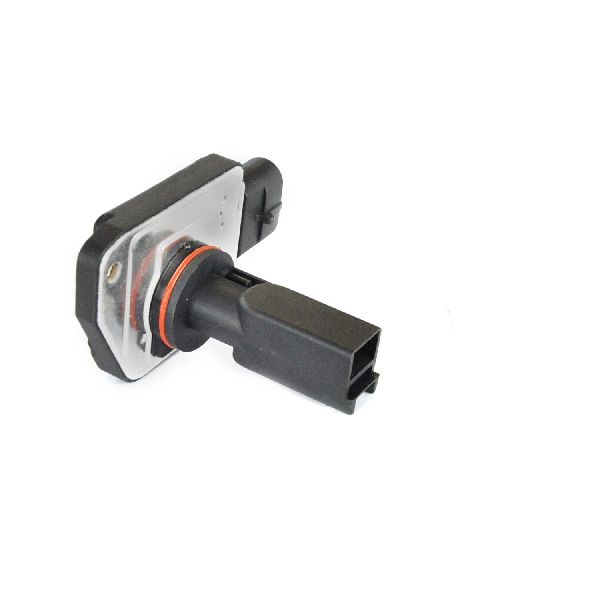
The MAF sensor for the 1996-2005 Buick Park Avenue is a hot-wire type sensor element that mounts to the air intake duct. It uses a 5-pin oval electrical connector. Different sensors may be used for the base (naturally aspirated) and Ultra (supercharged) models.
We Have This Part in Stock


The information in this article is provided for general reference and educational purposes only. Vehicle specifications, procedures, and part compatibility can vary by production date, trim level, and region. Always consult your vehicle's factory service manual and verify part numbers before purchasing or performing repairs. Safety-critical components such as airbags, seat belts, and braking systems should be installed by a qualified professional.
- Buick Park Avenue:
- 🎬 Helpful Videos
- 🛍️ Shop This Part
- Is Your Park Avenue Stalling or Running Rough? It Could Be the MAF Sensor
- Don't Ignore a Bad MAF Sensor
- Symptoms of a Failing MAF Sensor on a Buick Park Avenue
- Try Cleaning It First
- Choosing the Right Aftermarket MAF Sensor: Brand Quality Matters
- Tier 1: OEM & OEM-Equivalent Brands
- Tier 2: Reputable Aftermarket Brands
- Tier 3: Budget & Remanufactured Brands (Use with Caution)
- Cost to Replace a 1996-2005 Park Avenue MAF Sensor
- Frequently Asked Questions (FAQ)
- 🎟️ Get 5% Off