

Chevrolet Blazer Universal Joint Guide: 1996-2005
Address clunks and vibrations by understanding the U-joints in your 1996-2005 Blazer.
- A clunk when shifting into gear or a vibration at speed are the most common signs of a failing U-joint on your Blazer.
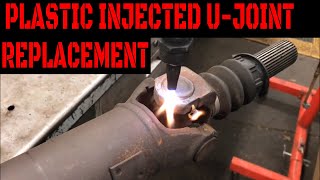
- Factory U-joints are held in with injected plastic that must be melted with a torch for removal.
- For maximum durability, especially for 4WD or towing, choose a non-greasable U-joint from a premium brand like Dana Spicer or SKF.
- If one U-joint has failed, it is highly recommended to replace all U-joints on that driveshaft at the same time.
Symptoms of a Failing Universal Joint
A bad U-joint gives several warning signs. Ignoring them can lead to the driveshaft detaching, which is a serious failure that can cause a loss of control or major damage to the underside of your Blazer. Listen for these common symptoms:
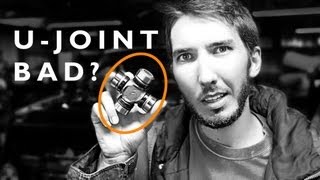
🎬 Watch: 7 signs of a bad universal joint- Clunking Noise: A loud "clunk" or "bang" when you shift into Drive or Reverse is a classic sign. This is caused by extra slack in the worn-out joint.
- Vibration: You may feel a vibration through the floor or seat that gets worse with speed. This happens because the failing joint throws the driveshaft out of balance.
- Squeaking or Chirping: A rhythmic squeak that matches your speed points to a dry or failing U-joint bearing. The sound comes from metal-on-metal contact as the internal lubrication is gone.
- Leaking Fluid: In severe cases, a vibrating driveshaft can damage seals on the transmission or differential, causing fluid leaks.
Known Issue: Factory U-Joint Removal
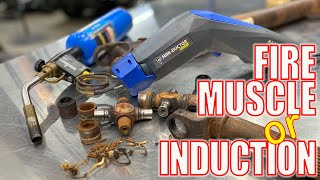
From the factory, many 1996-2005 Blazers did not use traditional clips to hold the U-joints in place. Instead, they used injected nylon or plastic. To remove the original U-joints, this plastic must be melted out, typically with a propane torch. 🎬 See the best ways to remove plastic injected joints This can be a difficult and messy part of the job for a DIY mechanic. Aftermarket U-joints will use standard snap rings for installation.
Choosing the Right Aftermarket U-Joint
When replacing U-joints, you have several reputable aftermarket brands to choose from. The original equipment was often supplied by Spicer. Aftermarket quality varies, but even standard replacement parts are often sufficient for a daily-driven Blazer.
Brand Tiers
- Premium (Heavy-Duty/Performance): Dana Spicer, SKF. Dana Spicer is widely considered the original equipment manufacturer (OEM) or better, known for durability and strength. SKF is another top-tier brand with a strong reputation. These are excellent choices if you use your Blazer for towing, off-roading, or simply want the longest-lasting part.
- OE-Quality/Standard Replacement: Moog, ACDelco, GMB. Moog has historically been a go-to brand, though some users report a decline in quality recently. However, they remain a popular and widely available option. ACDelco offers professional-grade parts that are a reliable choice for standard replacement. GMB is a well-regarded manufacturer that provides a good balance of quality and value.
Greasable vs. Non-Greasable U-Joints
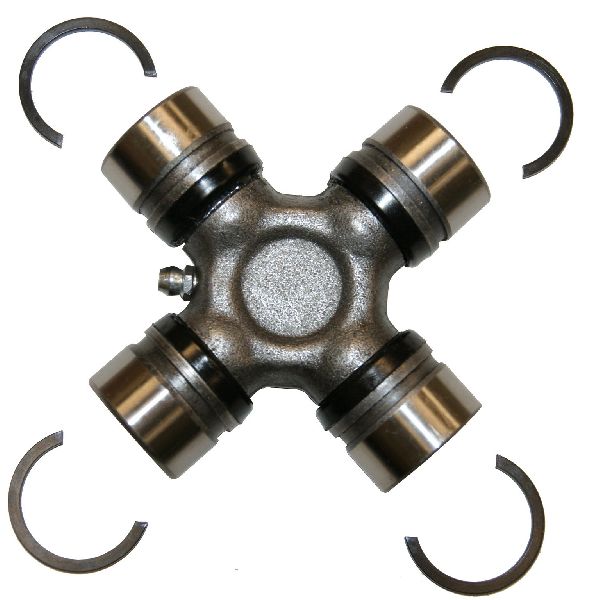
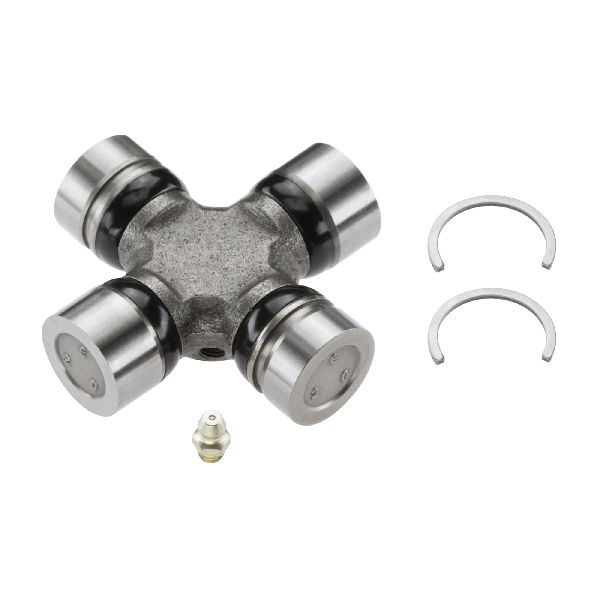
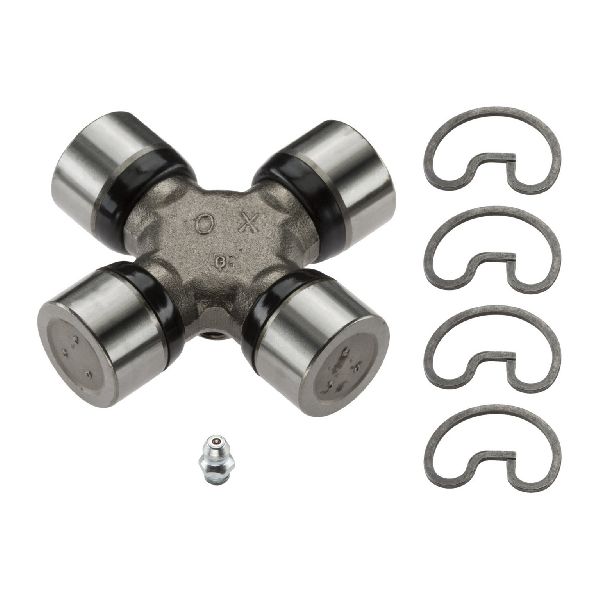
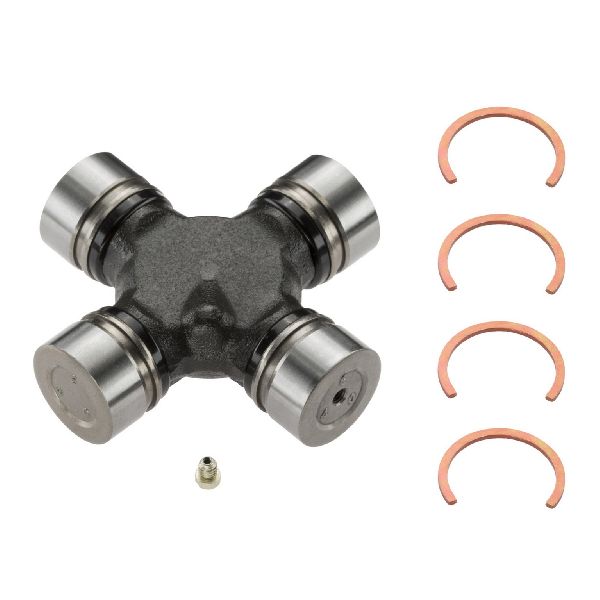
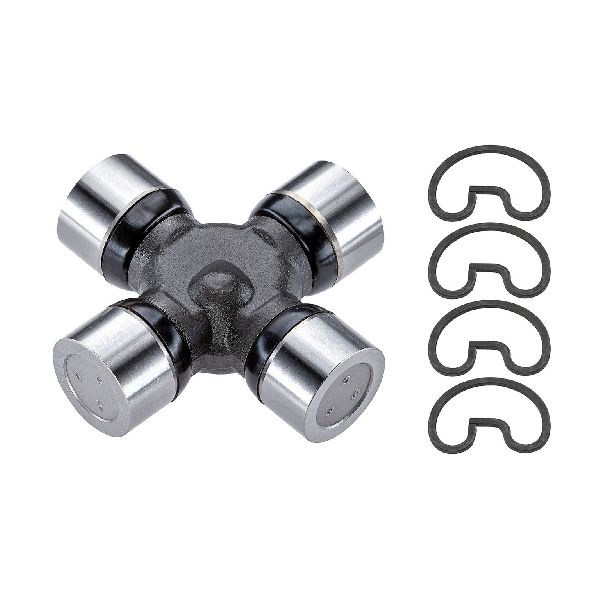
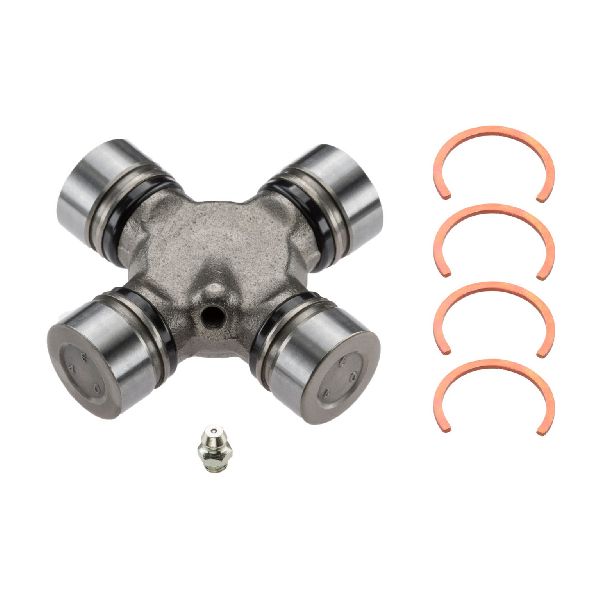
You'll see options for both greasable (with a zerk fitting) and non-greasable (sealed) U-joints. Non-greasable joints are generally considered stronger because the cross is solid metal. Greasable joints have channels drilled through them, which can be a weak point. However, greasable joints allow you to flush out water and contaminants, which is useful if you frequently off-road or launch boats. For most users, a high-quality, non-greasable joint from a brand like Spicer is the most durable, set-it-and-forget-it option.
Estimated Costs for Universal Joint Replacement
| Item | Estimated Cost |
|---|---|
| Aftermarket U-Joint Part | $19 - $60 per joint |
| Shop Labor | $150 - $400 |
| Total Professional Replacement | $200 - $450 (per driveshaft) |
Costs are estimates and can vary based on your location, the number of U-joints being replaced, and the specific parts chosen.
Frequently Asked Questions
How many U-joints does my 1996-2005 Blazer have?
It depends on your drivetrain. A 2WD Blazer typically has two U-joints on the rear driveshaft. A 4WD model has a rear driveshaft with two U-joints and a front driveshaft, which also has two U-joints, for a total of four. Some 4WD models also have U-joints in the front axle shafts near the wheels. It's best to inspect your specific vehicle to be sure.
Should I replace all the U-joints at once?
It's a good idea. If one U-joint has failed due to age and mileage, the others are likely not far behind. Since the driveshaft must be removed for the repair, replacing all of its joints at the same time saves you from doing the same job again in the near future.
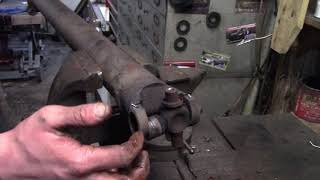
🎬 Watch this complete Chevy Blazer u-joint replacement walkthroughCan I replace a U-joint myself?
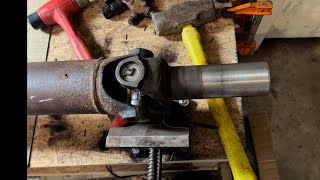
Yes, this is a feasible DIY job for someone with mechanical experience. However, it requires specific tools. You will need a way to safely lift the vehicle, tools to remove the driveshaft, and either a bench vise with large sockets or a dedicated ball joint/U-joint press to push the old joints out and the new ones in. Remember the factory joints require melting out the plastic retainers.
Were there any recalls for the U-joints on this Blazer?
No specific recalls for universal joints were found for the 1996-2005 Chevrolet Blazer. Searches on the NHTSA database show recalls for newer Blazer models related to half-shafts and other components, but not for the U-joints on this generation.
Helpful Videos
Technical Specifications
Varies by 2WD/4WD configuration and specific driveshaft position. Always verify the correct part number for your vehicle's front or rear driveshaft. 4WD models have three driveshaft U-joints and may have additional U-joints on the front axle shafts.
We Have This Part in Stock

The information in this article is provided for general reference and educational purposes only. Vehicle specifications, procedures, and part compatibility can vary by production date, trim level, and region. Always consult your vehicle's factory service manual and verify part numbers before purchasing or performing repairs. Safety-critical components such as airbags, seat belts, and braking systems should be installed by a qualified professional.
- Chevrolet Blazer: