

Chevrolet Cavalier 1996-2005 Catalytic Converter Replacement Guide
Everything a Cavalier owner needs to know when facing a P0420 code or a failed catalytic converter.
- A P0420 check engine light code is the most common sign of a failing converter on a Cavalier.
- Always diagnose and fix the root cause of the failure (like misfires or leaks) before installing a new converter.
- For this vehicle, a direct-fit aftermarket converter from a brand like Walker or MagnaFlow offers the best balance of quality and value.
- Check if your state requires a more expensive CARB-compliant converter before purchasing.
Is Your Cavalier's Catalytic Converter Failing?
A failing catalytic converter on a 1996-2005 Chevrolet Cavalier will almost always let you know something is wrong. The most common sign is the check engine light appearing on your dashboard, often with the diagnostic trouble code P0420 (Catalyst System Efficiency Below Threshold). However, there are other symptoms to watch for.
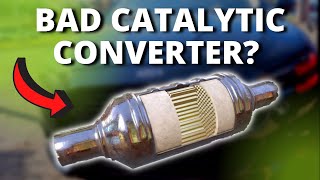
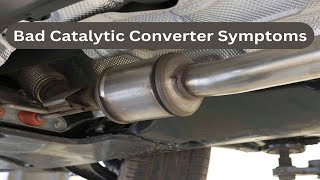
🎬 Watch: How to diagnose a bad converter and common symptoms.Common Failure Symptoms:
- Sluggish Performance: Your car may feel weak, struggle to accelerate, or even stall. This is caused by a clogged converter creating backpressure, essentially choking the engine.
- Rotten Egg Smell: A distinct sulfur smell from the exhaust is a classic sign that the converter isn't processing the exhaust gases correctly.
- Rattling Noises: If you hear a rattling or metallic shaking sound from under the car, it could be the internal ceramic honeycomb breaking apart.
- Poor Fuel Economy: If you're filling up your gas tank more often, it might be because your engine is working harder to overcome a clogged exhaust.
Fix the Root Cause First!
Catalytic converters usually don't fail on their own. They are often destroyed by another problem with the engine. Common causes include engine misfires (from bad spark plugs or ignition coils), burning oil, or coolant leaks. If you don't fix the original problem, you will quickly destroy your new catalytic converter.
Choosing the Right Aftermarket Converter for Your Cavalier
For an older vehicle like the 1996-2005 Cavalier, an aftermarket converter is a cost-effective choice compared to a very expensive and hard-to-find OEM part. However, not all aftermarket brands are created equal. They generally fall into a few tiers.
Brand Quality Tiers (Based on Reviews and Forum Discussions)
- Premium Aftermarket (Walker, MagnaFlow): These brands are consistently recommended by mechanics and DIYers for their quality, fit, and durability. MagnaFlow often uses stainless steel construction and is a popular choice for those wanting good performance. Walker is known for making reliable, OE-style replacement parts that keep the check engine light off.
- Standard/Economy (AP Exhaust, Eastern Catalytic, Davico): These brands offer a significant cost saving. Eastern Catalytic and AP Exhaust are generally considered decent budget options that get the job done. Davico is also a budget-friendly choice, but some users report that the fit might not be perfect and could require extra effort during installation. These are good options if your main goal is to pass an emissions test on a budget.
- Performance (MagnaFlow Performance Exhaust): If you are looking for a slight improvement in exhaust flow and sound, a performance-oriented converter from a brand like MagnaFlow might be a good choice, though it is not necessary for a stock Cavalier.
Direct-Fit vs. Universal Fit
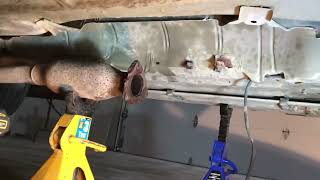
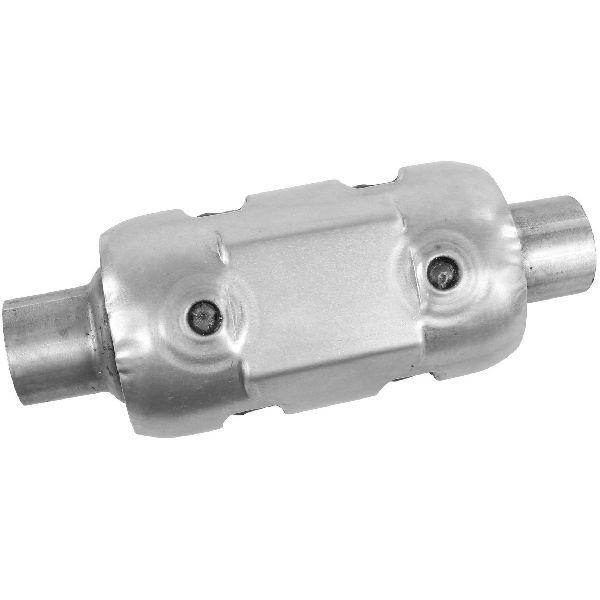
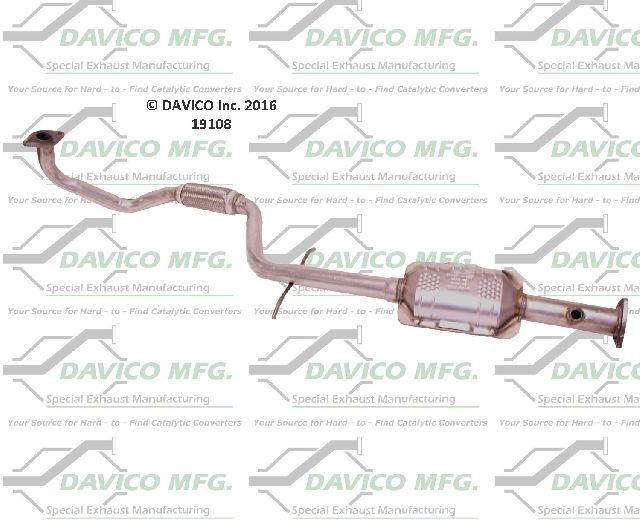
For the 1996-2005 Cavalier, the converter is part of a larger pipe assembly that bolts directly to the exhaust manifold. A direct-fit converter is strongly recommended. It is designed to bolt right in without any cutting or welding, saving significant time and hassle. 🎬 See this walkthrough for replacing the converter and oxygen sensor. A universal-fit converter is cheaper but will require cutting your old exhaust and welding the new one in, a job best left to a professional exhaust shop.
Replacement Cost for a 1996-2005 Chevrolet Cavalier
Costs can vary based on your location and the specific part you choose. The biggest price factor is whether you need a Federal/EPA-compliant part or a more expensive CARB-compliant part required by states like California, New York, and Colorado.
| Item | Estimated Cost |
|---|---|
| New Aftermarket Converter (Federal/EPA) | $155 - $450 |
| New Aftermarket Converter (CARB) | $450 - $1000+ |
| Shop Labor | $150 - $300 |
| Total Professional Installation (EPA) | $305 - $750 |
Frequently Asked Questions (FAQ)
What is a P0420 code and does it always mean a bad converter?
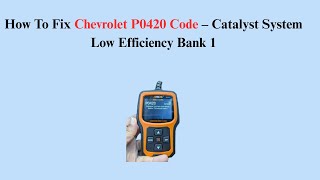
P0420 means "Catalyst System Efficiency Below Threshold." While a failing converter is the most common cause (about 45% of the time), it can also be triggered by a faulty oxygen sensor (30%), an exhaust leak, or other engine performance problems. It's important to diagnose the problem correctly before replacing the converter.
🎬 Watch: How to troubleshoot and fix a P0420 code.Do I need a CARB-compliant converter?
You only need a CARB-compliant converter if you live in a state that has adopted California Air Resources Board (CARB) emissions standards, such as California, New York, Colorado, and Maine. These parts are more expensive because they are built to stricter standards and contain more precious metals. Using a Federal/EPA part in a CARB state is illegal and will cause you to fail your emissions test.
Can I install the converter myself?
Yes, replacing the direct-fit converter on a Cavalier is a manageable DIY job if you have the right tools, including a jack and jack stands, a good socket set, and safety glasses. The biggest challenge will be dealing with rusted exhaust bolts. Be prepared to use plenty of penetrating oil, and you may even need a torch or a tool to cut the old bolts off.
Should I replace my oxygen sensors at the same time?
It is highly recommended. Your Cavalier has at least two oxygen sensors—one before the converter (upstream) and one after (downstream). A new converter needs accurate readings from these sensors to work properly. Old, slow-reading sensors can cause issues and may even have been part of the original problem. Replacing them with the converter is a smart investment.
Were there any recalls on the Cavalier catalytic converter?
Searches of the National Highway Traffic Safety Administration (NHTSA) database did not show any specific recalls for the catalytic converter part itself on the 1996-2005 Chevrolet Cavalier. Always address the root cause of failure, as it is likely related to engine maintenance rather than a defective original part.
Helpful Videos
Technical Specifications
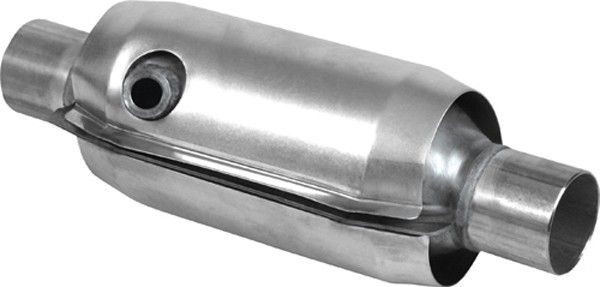
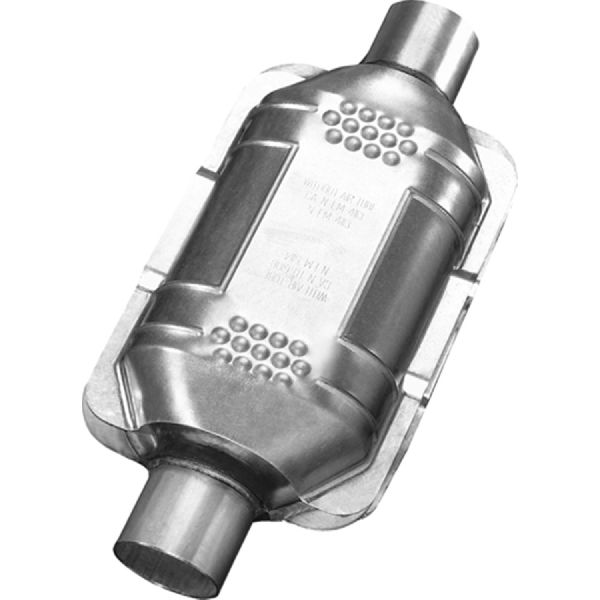
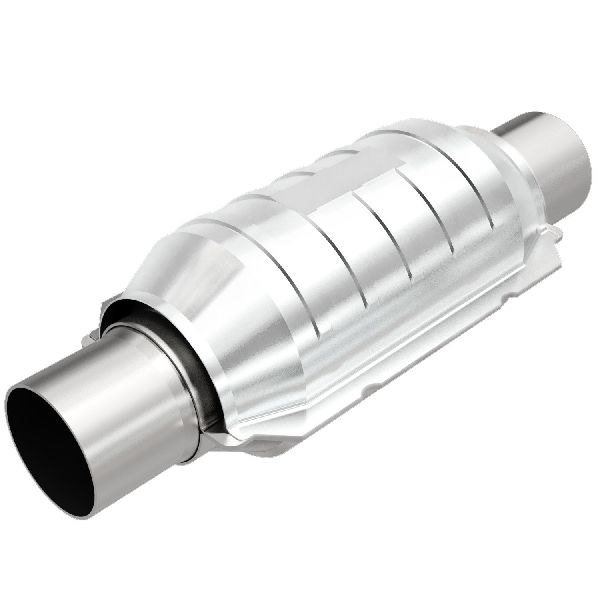
For the 1996-2005 model years, the catalytic converter is typically a direct-fit assembly that bolts to the exhaust manifold and includes a flex pipe. It will have at least one oxygen sensor port. The specific design varies slightly between the 2.2L and 2.4L engines.
We Have This Part in Stock

The information in this article is provided for general reference and educational purposes only. Vehicle specifications, procedures, and part compatibility can vary by production date, trim level, and region. Always consult your vehicle's factory service manual and verify part numbers before purchasing or performing repairs. Safety-critical components such as airbags, seat belts, and braking systems should be installed by a qualified professional.
- Chevrolet Cavalier:
- 🎬 Helpful Videos
- 🛍️ Shop This Part
- Is Your Cavalier's Catalytic Converter Failing?
- Common Failure Symptoms:
- Fix the Root Cause First!
- Choosing the Right Aftermarket Converter for Your Cavalier
- Brand Quality Tiers (Based on Reviews and Forum Discussions)
- Direct-Fit vs. Universal Fit
- Replacement Cost for a 1996-2005 Chevrolet Cavalier
- Frequently Asked Questions (FAQ)
- 🎟️ Get 5% Off