

Ford Mustang Alternator Guide for 1996-2005 Models
Keep your Mustang's electrical system healthy by choosing the right new aftermarket alternator.
- The alternator for a 1996-2004 Mustang is different from the 2005 model; ensure you buy for your specific year and engine.
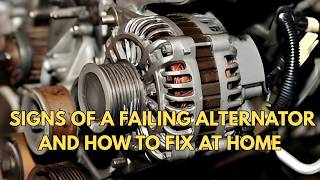
- Symptoms like dimming lights, a battery warning on the dash, and whining noises are clear signs of a failing alternator.
- For most owners, a standard-output new aftermarket alternator is sufficient. Only upgrade to a high-output model if you have added significant electrical accessories.
- Replacement is a simple DIY job for most owners, typically taking about an hour with basic tools.
Understanding Your Mustang's Alternator

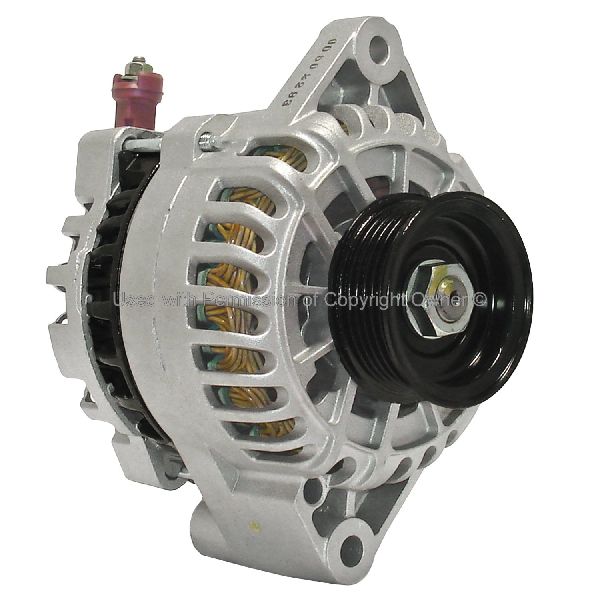
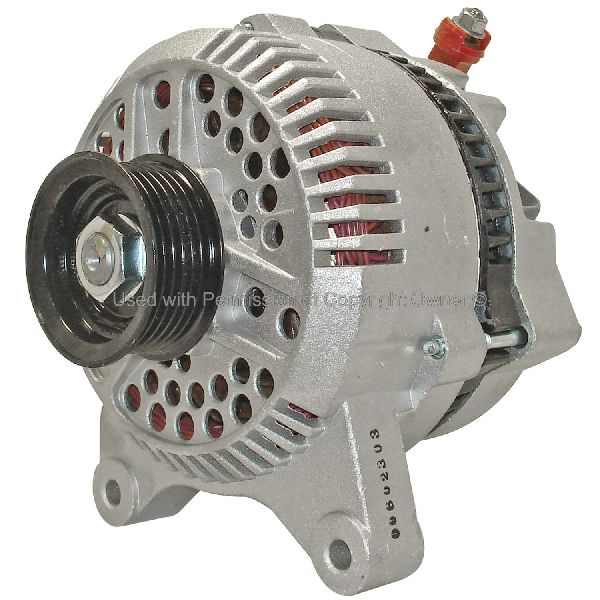
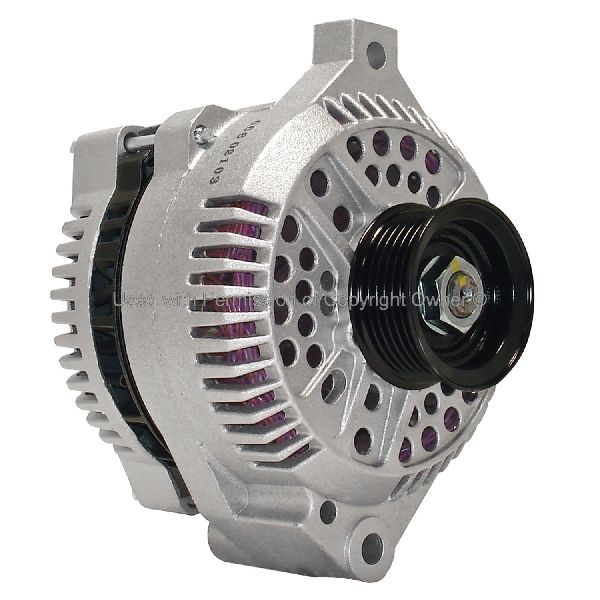
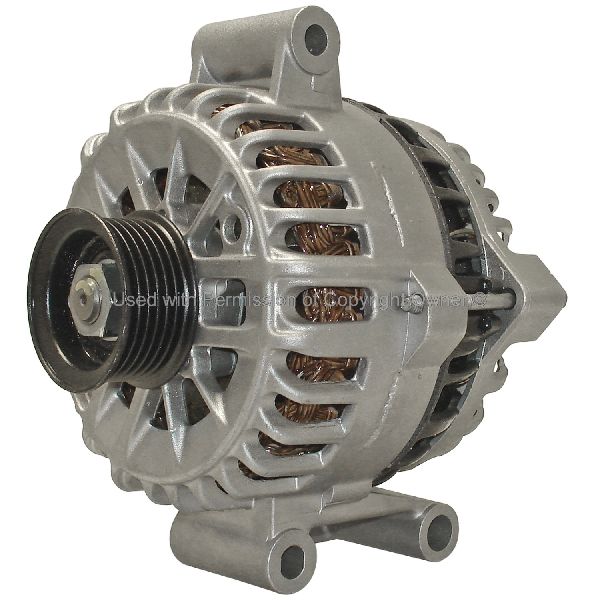
The alternator is a critical component for your 1996-2005 Mustang, whether you have a V6, GT, or Cobra. It converts mechanical energy from the engine's serpentine belt into electrical energy. This power runs all your car's electronics and recharges the battery. When it starts to fail, it can cause a wide range of frustrating and potentially damaging electrical problems.
Generational Differences (SN95, New Edge, S197)
The 1996-2005 model years span a few key Mustang versions. The 1996-1998 models (SN95) and 1999-2004 models ("New Edge") share a similar platform and many parts, including the Ford 3G series alternator. The 2005 model year marked the beginning of the new S197 platform, which uses a different alternator design. It's crucial to select a part that is listed as a direct fit for your specific year and engine (3.8L V6, 4.6L V8, etc.) to ensure proper mounting and electrical connections.
Common Symptoms of a Failing Alternator

A bad alternator gives several warning signs. Paying attention to them can save you from being stranded with a dead battery.
- Battery Warning Light: The most obvious sign is the battery light, or a light with "ALT" or "GEN," illuminating on your dashboard. This indicates the system voltage has dropped below the normal operating range.
- Dim or Flickering Lights: Headlights and interior lights that dim, especially at idle, and brighten when you rev the engine are a classic symptom. This shows the alternator isn't producing consistent power.
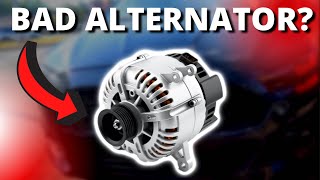
- Slow or Malfunctioning Electronics: You might notice your power windows are slow, the radio acts up, or other electrical accessories behave erratically. 🎬 Watch this video to identify common bad alternator symptoms.
- Whining or Grinding Noises: A high-pitched whine that changes with engine RPM often points to failing bearings or a bad voltage regulator inside the alternator. A grinding noise can mean the bearings are completely worn out.
- Difficulty Starting or a Dead Battery: The alternator's job is to recharge the battery. If it fails, the battery won't get recharged as you drive, leading to a no-start condition. You might find yourself needing to jump-start the car frequently.
A Note on Fuses
In some cases, a large fuse in the charging system can blow and mimic the symptoms of a failed alternator. Before replacing the entire unit, it's worth checking the main charging system fuse to see if it's the source of the problem.
🎬 Learn how to check for a blown charging system fuse.Choosing the Right Aftermarket Alternator

When shopping for a new aftermarket alternator, you'll find a range of brands and output levels. For most owners, a standard replacement that meets or exceeds original equipment (OE) specs is sufficient. However, if you've added significant electrical accessories like a powerful stereo system, extra lighting, or other high-draw components, a high-output alternator is a wise investment.
Stock vs. High-Output Amperage
Stock alternators for the 1996-2004 GT models are typically 130-amp units. The 2005 models use a 135-amp alternator. Aftermarket options are available from standard replacement amperages all the way up to 200 amps or more. Keep in mind that a higher-output alternator only produces its maximum amperage at higher engine RPMs. If you choose a high-output unit (e.g., 200 amps), you must also upgrade the main power wire from the alternator to the battery to handle the extra current safely.
OEM vs. Aftermarket Quality
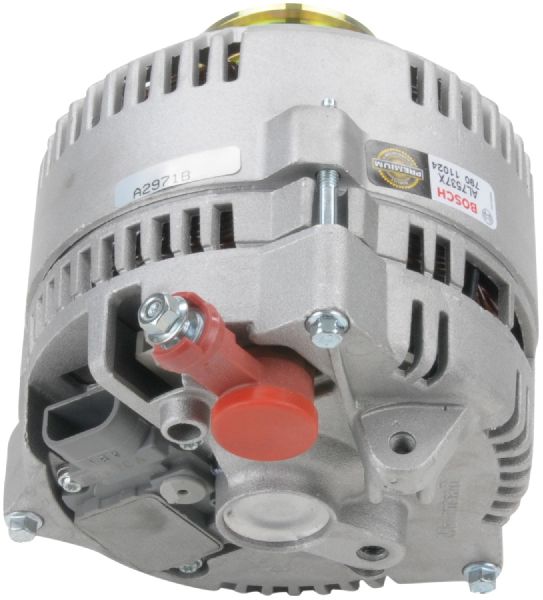
Motorcraft is Ford's original equipment brand and is known for its reliability and precise fit. However, many reputable aftermarket brands like Bosch, Remy, and Powermaster offer quality new units that provide excellent performance, often at a lower price. Some owners have reported mixed reliability with certain high-performance brands, so it's wise to choose one with a good warranty. For a daily driver without heavy electrical loads, a quality new aftermarket part from a known brand is a cost-effective and reliable choice.
Cost of Replacing a Ford Mustang Alternator

The cost can vary based on the part you choose and whether you do the work yourself. The replacement is a straightforward job for those with basic mechanical skills.
| Item | Estimated Cost |
|---|---|
| New Aftermarket Alternator | $100 - $350+ |
| New OEM (Motorcraft) Alternator | $280 - $480+ |
| Shop Labor | $84 - $124 |
| Total Professional Replacement | $423 - $576+ |
Frequently Asked Questions (FAQ)
Is it hard to replace the alternator on a 1996-2005 Mustang?
No, it's considered a relatively easy job for a DIY mechanic. The process involves disconnecting the battery, releasing the serpentine belt tension, removing two mounting bolts and the electrical connections, and then swapping the unit. The entire job can typically be done in about an hour.
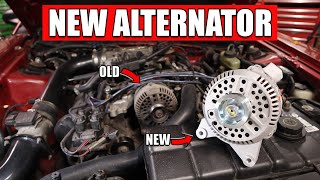
🎬 Follow this step-by-step guide to replace your Mustang's alternator.Do I need a special alternator for a GT or Cobra?
While the base V6 and V8 models use different part numbers, the key is to ensure the alternator you buy is listed for your specific year, model, and engine. High-performance models like the Cobra may have originally come with a higher-amp alternator, but many aftermarket units fit across multiple trim levels. Always verify fitment.
What is a "1-wire" alternator?
Some high-performance aftermarket alternators, like certain models from Powermaster, are called "1-wire" because they simplify the wiring to a single connection to the battery. However, some users note that these may require the engine to be revved after starting to "excite" the alternator and begin charging. Most direct-fit replacements will use the factory plug-and-play wiring harness.
Should I buy a new or remanufactured alternator?
This guide focuses on new aftermarket parts. New parts use 100% new components and often come with better warranties and reliability compared to remanufactured units, which reuse some original components. Given the critical role of the alternator, a new unit is often worth the small additional investment for peace of mind.
Helpful Videos

Technical Specifications
OEM Part Numbers: 4U2Z-10V346-FTRM XR3Z-10346-AA F4PZ-10346-B 1R3Z-10346-A 6R3Z-10346-A 7R3Z-10346-B
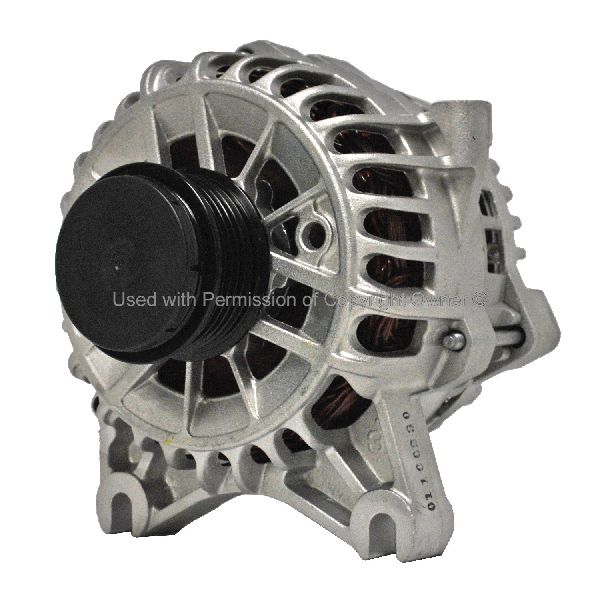
The 1996-2004 models primarily use Ford's 3G series alternator, with stock outputs around 130 amps for V8 models. The 2005 S197 models use a different design, typically with a 135-amp output. All use a 6-groove serpentine pulley and have an internal voltage regulator.
We Have This Part in Stock

The information in this article is provided for general reference and educational purposes only. Vehicle specifications, procedures, and part compatibility can vary by production date, trim level, and region. Always consult your vehicle's factory service manual and verify part numbers before purchasing or performing repairs. Safety-critical components such as airbags, seat belts, and braking systems should be installed by a qualified professional.
- Ford Mustang:
- 🎬 Helpful Videos
- 🛍️ Shop This Part
- Understanding Your Mustang's Alternator
- Generational Differences (SN95, New Edge, S197)
- Common Symptoms of a Failing Alternator
- A Note on Fuses
- Choosing the Right Aftermarket Alternator
- Stock vs. High-Output Amperage
- OEM vs. Aftermarket Quality
- Cost of Replacing a Ford Mustang Alternator
- Frequently Asked Questions (FAQ)
- 🎟️ Get 5% Off