

GMC Safari Power Steering Pump Guide (1996-2005): Symptoms and Replacement
Address whining noises and stiff steering by understanding your Safari's power steering pump.
- The most common failure symptom is a whining noise that gets louder when you turn the wheel.
- A special power steering pulley puller/installer tool is required for replacement; do not attempt the job without it.
- After installing a new pump, you MUST properly bleed the system to prevent noise and damage to the new part.
- There are no recalls for the pump itself, but a related recall for power steering hoses from mid-2005 exists.
Is Your GMC Safari Power Steering Pump Failing?
A failing power steering pump on a GMC Safari will give clear warning signs. Ignoring them can lead to a complete loss of steering assist, making the van very difficult to control. Listen and look for these common symptoms.
1. Whining or Groaning Noises
This is the most common sign of a problem. A loud hydraulic whining sound that gets louder when you turn the steering wheel is a classic symptom of a struggling pump. If the pump whines all the time, even when driving straight, it likely has internal wear. A squeal when you first start the engine can also point to a failing pump bearing.
2. Stiff or Heavy Steering
If turning the wheel requires much more effort, especially when parking, the pump is not generating enough pressure to assist you. You might also feel a jerky or slow response from the steering wheel, which is a serious safety concern.
3. Fluid Leaks
Look for reddish or light brown fluid puddles under the front of your van. The pump can leak from its main shaft seal (behind the pulley), the hose connections, or even cracks in the pump body. If you constantly need to top off the power steering fluid, you have a leak that needs to be fixed.
Check for Hose Recalls
While there are no recalls for the pump itself on the 1996-2005 Safari, there was a recall for defective power steering hoses (NHTSA Campaign ID 05086A). These faulty hoses could have been installed as service parts in mid-2005. A ruptured hose will cause a sudden and complete loss of power steering fluid and assist.
Choosing the Right Aftermarket Pump: New vs. Remanufactured
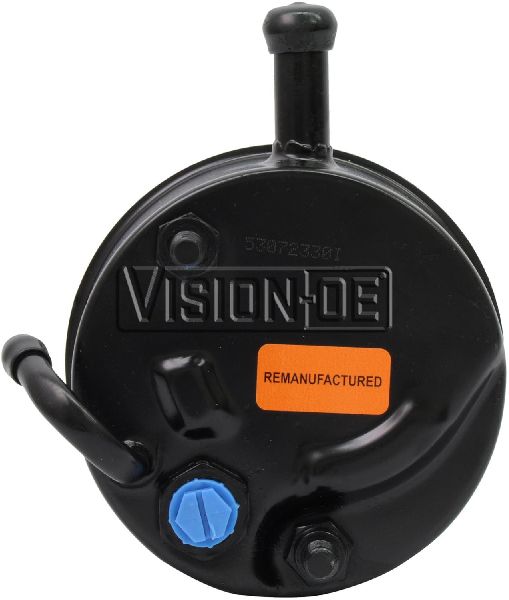
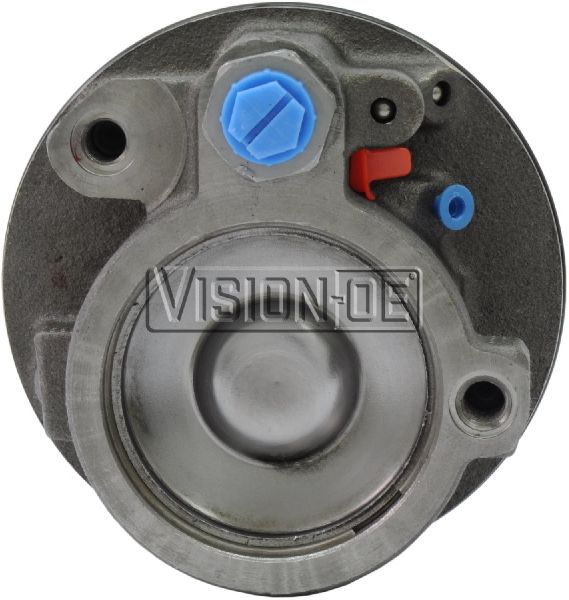
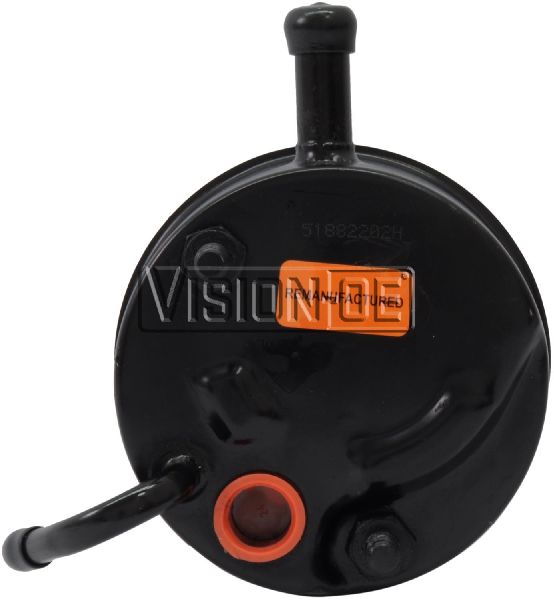
For an older vehicle like the Safari, the aftermarket is the most common source for parts. The main brands you will encounter are BBB Industries and Cardone. Most parts available from these brands are "remanufactured," meaning an original pump core has been rebuilt. However, new aftermarket pumps are also available.
OEM vs. Aftermarket: An original GM pump for a vehicle of this age is often expensive or no longer available. Aftermarket pumps provide a cost-effective alternative. However, quality can be inconsistent, especially with remanufactured units. Forum discussions frequently mention remanufactured pumps from all brands failing quickly or being noisy right out of the box. If your budget allows, choosing a NEW aftermarket pump over a remanufactured one may offer better reliability and a longer warranty.
Brand Quality:
- Cardone: A very common brand, but it has a mixed reputation among mechanics and DIYers. Many report premature failures and noise issues with their remanufactured pumps.
- BBB Industries: Another major supplier of remanufactured and new parts. While also subject to the general concerns about aftermarket quality, some users seek them out as an alternative to Cardone.
Pro Tip: Regardless of the brand, the success of your replacement heavily depends on properly flushing the old, contaminated fluid out of the system and correctly bleeding the air out after installation. Failure to do so is a primary cause of noise and premature failure in new pumps.
Estimated Replacement Costs
| Part Type | Estimated Cost |
|---|---|
| New Aftermarket Pump | $79.89 - $220.43 |
| Shop Labor | $200 - $300 |
| Total Estimated Cost | $280 - $521 |
Frequently Asked Questions (FAQ)
Can I replace the Safari power steering pump myself?
Yes, this is a DIY-feasible job for someone with moderate mechanical skill, but it requires a special tool. The difficulty is rated at about 3 out of 5. You absolutely MUST use a power steering pulley puller/installer tool. Trying to use a standard gear puller or hammering the pulley on will destroy the new pump. These tool sets can often be rented from auto parts stores.
Why is my new power steering pump whining?
The most common reason for a new pump to whine is air trapped in the system. You must bleed the system properly after installation by jacking the front wheels off the ground and turning the steering wheel from lock to lock about 20 times with the engine off, checking the fluid, and then repeating with the engine on. If the noise persists, it could be due to contaminated fluid that wasn't fully flushed or a defective part.
What kind of power steering fluid does the GMC Safari use?
Always check your owner's manual for the exact specification. Most GM vehicles of this era use a standard power steering fluid, but using the manufacturer-recommended fluid is critical for the life of the seals and pump. Do not use fluid that is not specified for your vehicle.
What is a "core charge"?
When you buy a remanufactured pump, you will often pay an extra fee called a core charge. This charge is refunded to you when you return your old, failed pump to the store. This allows the manufacturer to rebuild your old part and keep it in the supply chain.
Technical Specifications
OEM Part Numbers: 19420685
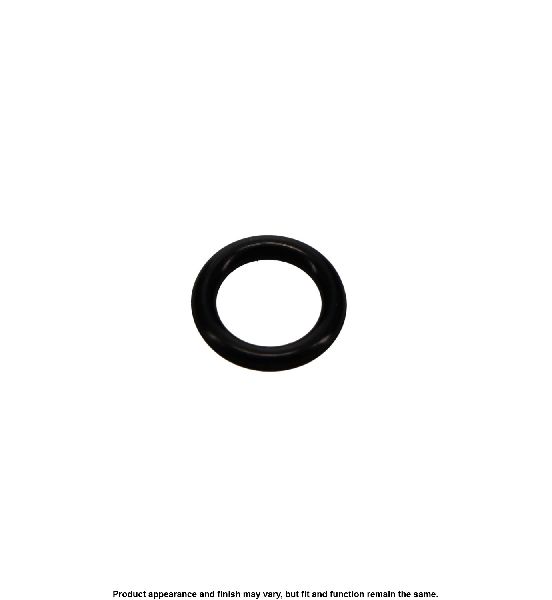
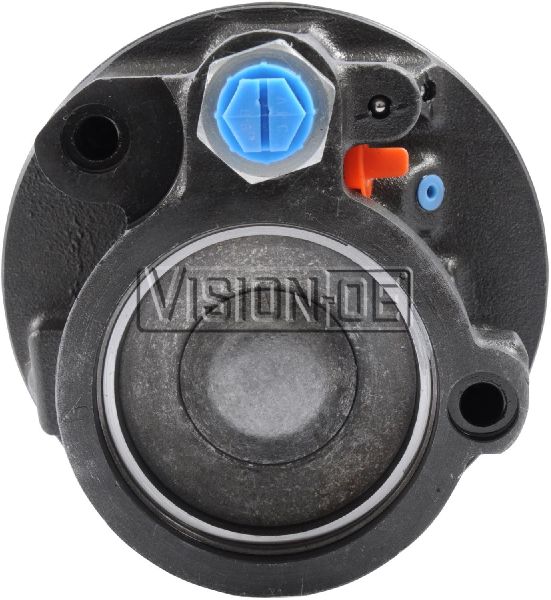
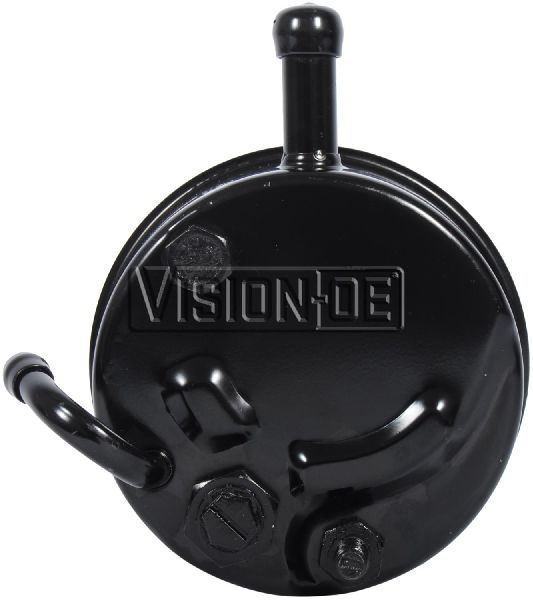
Housing Material: Cast Iron; Pulley Attachment Type: Press-On; Hose Port Type: O-Ring. The pump is separate from the remote fluid reservoir.
We Have This Part in Stock

The information in this article is provided for general reference and educational purposes only. Vehicle specifications, procedures, and part compatibility can vary by production date, trim level, and region. Always consult your vehicle's factory service manual and verify part numbers before purchasing or performing repairs. Safety-critical components such as airbags, seat belts, and braking systems should be installed by a qualified professional.
- GMC Safari: