

A Practical Guide to Replacing the Oxygen Sensor on a 1996-2005 Mazda Miata
Everything you need to know before buying and replacing a faulty oxygen sensor on your NA or NB Miata.
- Verify if your Miata is Federal or California emissions before ordering; the parts are different.
- Choose a direct-fit sensor from Denso or NGK (NTK) for OEM-level reliability and easy installation.
- Soak the old sensor's threads in penetrating oil before attempting removal to prevent it from seizing.
- A bad O2 sensor will hurt gas mileage and can eventually damage your expensive catalytic converter if ignored.
Is Your Miata's Oxygen Sensor Failing?


A failing oxygen sensor can cause noticeable problems with your car's performance. Because the sensor's data is essential for managing the engine's fuel mixture, a bad sensor sends bad data to the computer, leading to an inefficient and poorly running engine.
Key Symptoms of a Bad O2 Sensor:
- Check Engine Light: This is the most common sign. A bad O2 sensor will trigger a diagnostic trouble code (DTC) and light up the check engine light on your dashboard. Common codes include P0130, P0134 (front sensor), P0140 (rear sensor), P0171 (running too lean), P0172 (running too rich), and P0420 (catalytic converter inefficiency).
- Poor Fuel Economy: If the ECU can't get an accurate oxygen reading, it often defaults to a rich fuel mixture, meaning it uses more fuel than necessary. This will cause a noticeable drop in your gas mileage.
- Rough Idle and Misfires: An incorrect air/fuel ratio can make your Miata's engine idle erratically or misfire, especially at lower speeds.
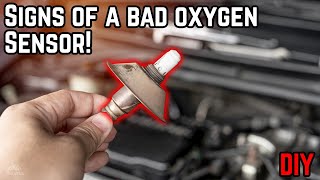
- Rotten Egg Smell: A very rich fuel mixture can overwhelm the catalytic converter, producing a sulfur or "rotten egg" smell from the exhaust. 🎬 Watch: A guide to diagnosing symptoms of a bad sensor
A Common Ordering Mistake: Federal vs. California Emissions
The single most important factor when ordering an O2 sensor for your 1996-2005 Miata is knowing whether your car has Federal or California emissions. This changes the location and type of sensors used. Check the emissions sticker under your hood. California-spec cars have an extra pre-catalytic converter in the exhaust manifold, which changes the function of the two O2 sensors. Ordering the wrong part is a common and costly mistake.
Choosing the Right Aftermarket Oxygen Sensor

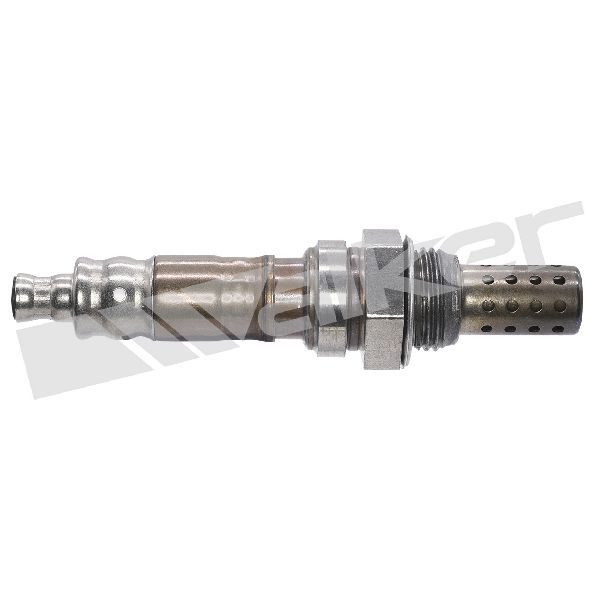
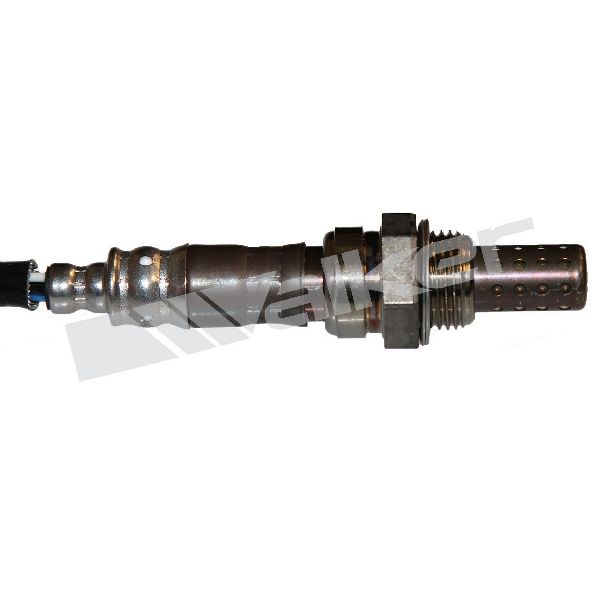
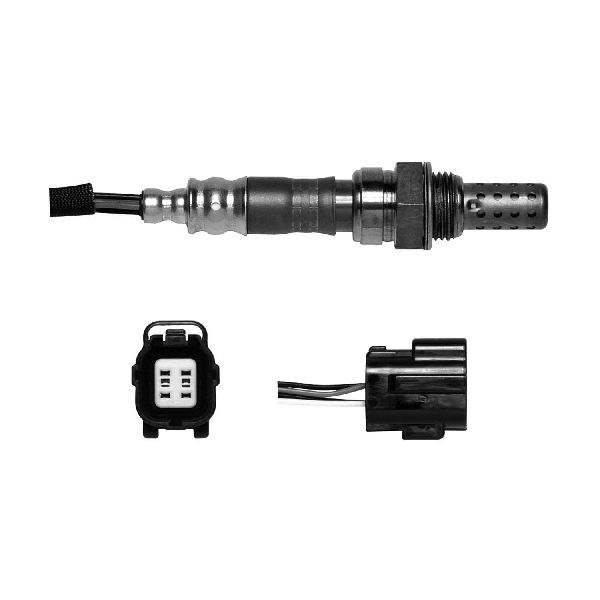
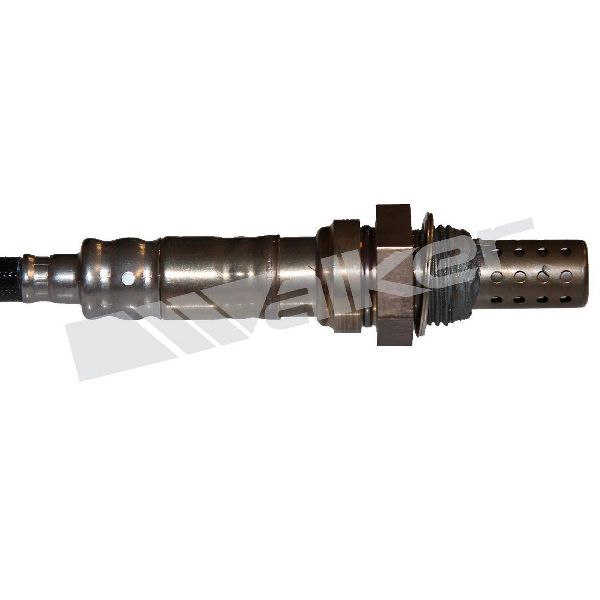
When shopping for a new oxygen sensor, you'll find a wide range of brands and prices. While OEM is always an option, high-quality aftermarket parts can offer the same performance for less money. It is highly recommended to choose a "direct-fit" sensor with the correct plug for your Miata, as this avoids the need for cutting and splicing wires that universal sensors require.
Brand Quality Tiers for Mazda Miata
- Tier 1 (OEM Quality): Denso & NGK (NTK)
Denso and NGK (which markets its sensors under the NTK brand) are the original equipment manufacturers for many Japanese cars, including Mazda. Miata owners on forums widely regard these as the most reliable and trouble-free aftermarket choice. They are a direct replacement and are expected to perform exactly like the original part. - Tier 2 (Reputable Aftermarket): Bosch
Bosch invented the automotive oxygen sensor and is a massive OEM supplier. Their direct-fit sensors are a popular and generally reliable option for Miatas, though some owners have reported mixed experiences compared to Denso or NGK. They are a solid choice if an OEM-brand part is not available. - Tier 3 (Value-Oriented): Walker Products, Spectra, Delphi, DriveWire
These brands offer more budget-friendly options. While they can function correctly, they may not have the same longevity or precise calibration as OEM-tier brands. Some mechanics note that generic sensors can sometimes be finicky with a car's ECU. These are best if you're on a tight budget, but be aware of the potential quality trade-off.
Estimated Costs

| Part Type | Estimated Cost |
|---|---|
| New OEM Sensor | $190 - $280 |
| New Aftermarket Sensor | $25 - $220 |
| Used OEM Sensor | $25 - $75 |
| Shop Labor | $100 - $200 |
Pro Tip: Dealing with a Stuck Sensor
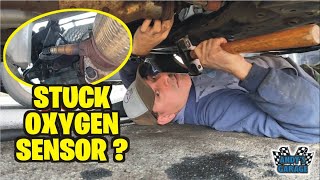
Oxygen sensors are notorious for seizing in the exhaust pipe due to constant heat cycles. Before trying to remove the old sensor, let the exhaust cool down completely. Spray a generous amount of penetrating oil (like PB Blaster or CRC Freeze-Off) on the threads and let it soak for at least 30 minutes. Using a special O2 sensor socket with a slit for the wire will give you the best leverage. Mazda even issued a Technical Service Bulletin (01-003/15) outlining a procedure of spraying, waiting, and turning the sensor in small increments to avoid damaging the exhaust pipe.
🎬 See this pro tip for removing a stuck oxygen sensorFrequently Asked Questions (FAQ)

What's the difference between an upstream and downstream sensor?
The upstream sensor (Sensor 1) is located before the catalytic converter. Its main job is to provide real-time feedback for the ECU to adjust the air-fuel mixture. The downstream sensor (Sensor 2) is located after the catalytic converter and its job is to monitor the converter's efficiency by comparing its reading to the upstream sensor.
How difficult is it to replace a Miata O2 sensor myself?
The job is feasible for a DIY mechanic. The front sensor can be accessed from the driver's side wheel well or from above in the engine bay. The rear sensor is underneath the car, and its wiring harness often passes through a grommet in the floor, requiring you to pull back the carpet and sometimes remove the driver's or passenger's seat to unplug it. The biggest challenge is usually breaking the old, rusted sensor loose without damaging the threads in the exhaust pipe. Estimated time is 0.5 to 1.5 hours.
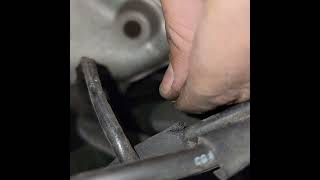
🎬 Watch: Step-by-step walkthrough for replacing both Miata oxygen sensorsShould I buy a cheaper "universal" sensor?
It's not recommended. Universal sensors do not have the vehicle-specific plug and require you to cut the old connector off and splice it onto the new sensor's wires. This introduces a potential point of failure. A direct-fit sensor with the correct plug is more reliable and makes the installation much easier.
Do I need to replace both sensors at the same time?
No, you only need to replace the sensor that has failed. An OBD-II scanner will give you a code that points to a specific sensor (e.g., Bank 1 Sensor 1 for upstream or Bank 1 Sensor 2 for downstream). However, since they are exposed to the same conditions, they often have a similar lifespan. If one fails due to high mileage, the other may not be far behind.
Helpful Videos

Technical Specifications
OEM Part Numbers: BP4X-18-861A-9U BP8K-18-861-9U BPS1-18-86ZB-9U
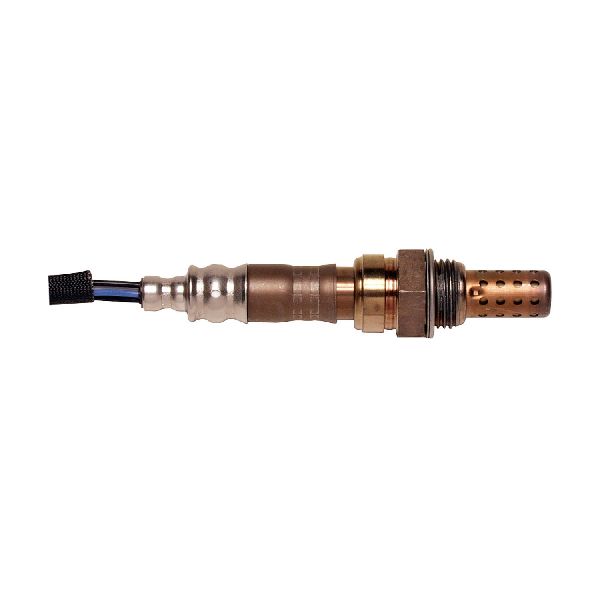
Vehicle will have two heated, 4-wire oxygen sensors. One upstream (pre-catalytic converter) and one downstream (post-catalytic converter). Sensor location and part numbers differ for Federal vs. California emissions models.
We Have This Part in Stock


The information in this article is provided for general reference and educational purposes only. Vehicle specifications, procedures, and part compatibility can vary by production date, trim level, and region. Always consult your vehicle's factory service manual and verify part numbers before purchasing or performing repairs. Safety-critical components such as airbags, seat belts, and braking systems should be installed by a qualified professional.
- Mazda Miata:
- 🎬 Helpful Videos
- 🛍️ Shop This Part
- Is Your Miata's Oxygen Sensor Failing?
- Key Symptoms of a Bad O2 Sensor:
- A Common Ordering Mistake: Federal vs. California Emissions
- Choosing the Right Aftermarket Oxygen Sensor
- Brand Quality Tiers for Mazda Miata
- Estimated Costs
- Pro Tip: Dealing with a Stuck Sensor
- Frequently Asked Questions (FAQ)
- 🎟️ Get 5% Off