

Audi A4 Serpentine Belt Replacement Guide (1996-2006)
Everything you need to know about choosing the right aftermarket serpentine belt for your B5 or B6 Audi A4.
- Replace the belt, tensioner, and idler pulleys together as a kit to prevent premature failure.
- Choose a premium aftermarket brand like Continental or Gates for OEM-level quality and reliability.
- A squealing noise doesn't always mean the belt is bad; it often points to a weak tensioner or a failing alternator pulley.
- Do not ignore warning signs like noise or visible cracks, as a broken belt will leave you stranded.
Signs of a Failing Serpentine Belt
A failing serpentine belt gives clear warning signs. Ignoring them can leave you stranded when the belt finally breaks, causing a loss of power steering and the ability for your battery to charge.
- Squealing or Chirping Noises: This is the most common symptom, especially when starting the engine on a cold or wet day. The noise comes from the belt slipping on the pulleys due to wear, fluid contamination, or a weak tensioner. 🎬 Learn how to identify the exact source of your belt squeak.
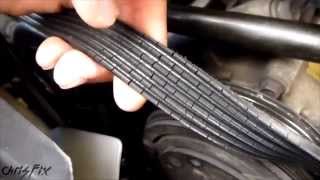
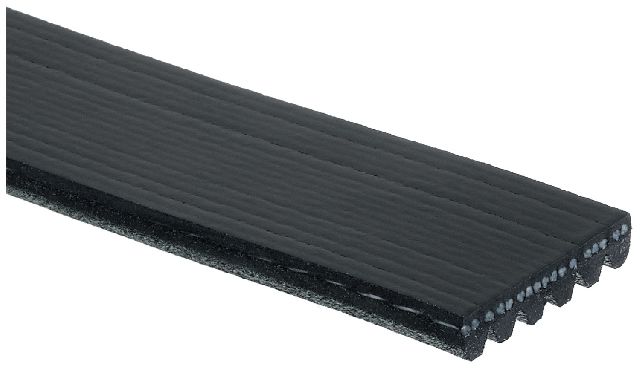
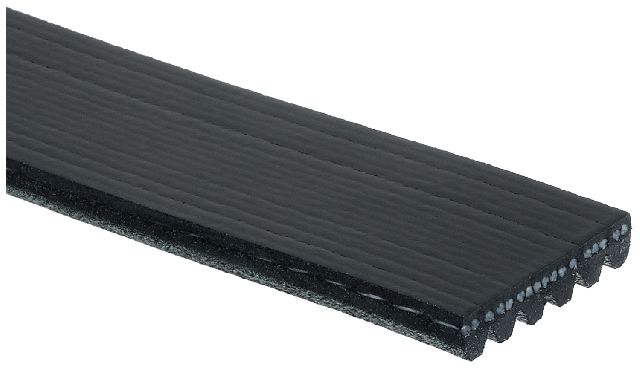
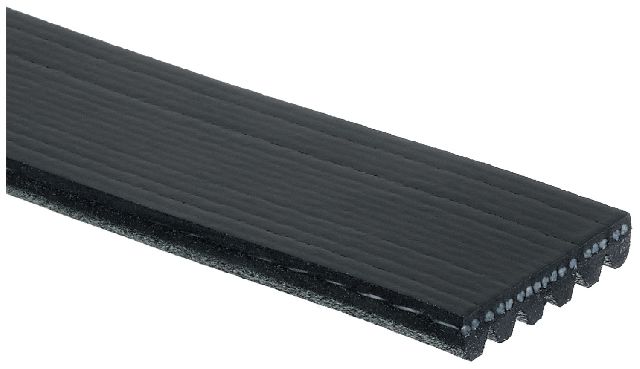
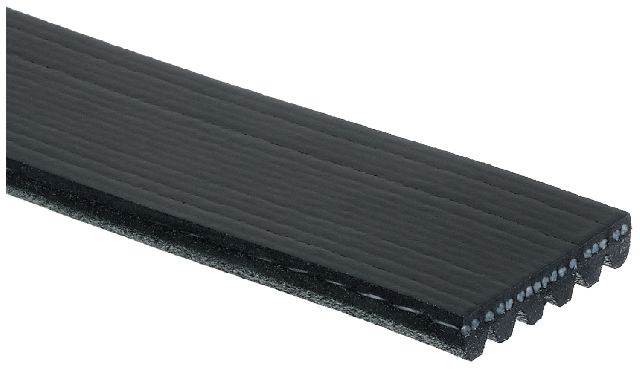
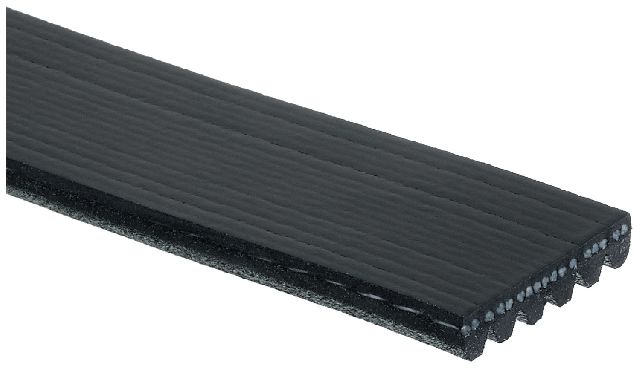
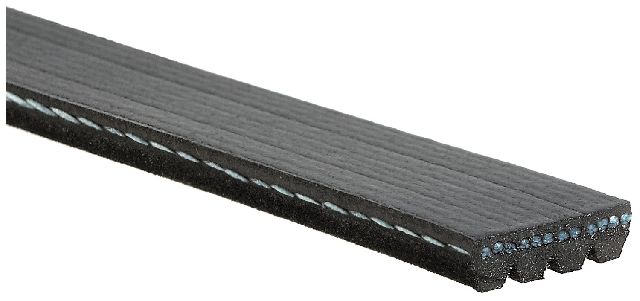
- Visible Wear and Damage: Inspect the belt for cracks, fraying along the edges, missing chunks of the ribbed section, or a shiny, glazed appearance. Any of these signs mean the belt needs immediate replacement.
- Power Steering or A/C Failure: If your steering becomes very difficult to turn or your A/C stops blowing cold air, the belt may be slipping and unable to properly power those accessories.
- Battery Warning Light: A battery light on your dashboard can indicate that the alternator is no longer being spun by the belt, meaning your car is running only on battery power and will soon die.
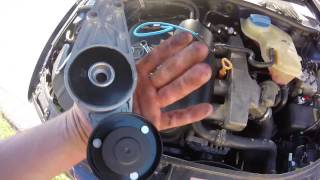
- Rattling or Shaking Tensioner: A rattling noise or a visibly shaking belt tensioner points to a failure of the tensioner assembly itself, which is a common issue.
A Note on Tensioner and Pulley Failure
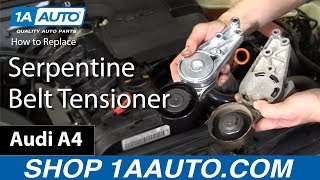
Often, the belt itself is not the root cause of the problem. A failing belt tensioner is a very common issue on the Audi A4. It is strongly recommended to replace the serpentine belt, tensioner, and any idler pulleys as a kit. A bad tensioner will destroy a new belt quickly.
Choosing the Right Aftermarket Serpentine Belt
For a vehicle like the Audi A4, choosing a quality belt is important for reliability. The original factory belt is typically made by Continental (ContiTech), which is also available as an aftermarket part.
Brand Quality Tiers
- Tier 1: Premium Aftermarket (OEM Quality): Brands like Continental, Gates, and INA are top choices. Continental is often the original supplier. Gates is a highly respected brand known for being equivalent to or exceeding OEM standards. INA is a premier manufacturer of tensioners and pulleys. You can expect OEM performance and longevity from these brands.
- Tier 2: Standard Aftermarket: Dayco is a well-known brand that offers good quality parts. While generally reliable, some owners report a shorter lifespan or more noise compared to premium brands. It's a solid choice if premium brands are not available.
- Tier 3: Economy: Brands like Skyward fall into the economy category. While they are the most affordable, their long-term durability and material quality may not match the demands of an Audi engine. For a critical part that can leave you stranded, it's usually best to invest in a Tier 1 or Tier 2 brand.
Pro Tip: Check the Alternator Pulley
On many VW and Audi engines, a squealing noise and a flapping belt tensioner can be misdiagnosed. The cause is often a failing one-way clutch pulley on the alternator, not the tensioner itself. If you've replaced a tensioner and still have noise, have a mechanic check the alternator pulley function.
🎬 See how a failing alternator pulley causes tensioner flapping.Estimated Replacement Costs
The cost to replace a serpentine belt can vary based on what parts you replace and who does the work.
| Part/Service | Estimated Cost |
|---|---|
| New OEM Serpentine Belt | $55 - $100 |
| New Aftermarket Serpentine Belt | $16 - $65 |
| Shop Labor | $150 - $375 |
Frequently Asked Questions
When should I replace my Audi A4's serpentine belt?
There is no strict replacement interval, but belts are typically inspected starting around 40,000 miles and often replaced around 60,000 miles as a preventative measure. However, you should replace it immediately if you see any signs of cracking, fraying, or glazing, or if you hear any squealing noises.
Should I replace the tensioner and pulleys with the belt?
Yes. It is highly recommended. The tensioner pulley bearing and the tensioner's spring mechanism wear out over time. A failed tensioner can cause the belt to slip or break, and it will cause premature wear on a new belt. Replacing them together saves you from doing the same job twice.
What happens if the serpentine belt breaks while driving?
Your car will lose power to the alternator, power steering pump, and A/C compressor instantly. The steering will become very heavy, the battery will stop charging (triggering a warning light), and the car will shut down once the battery is depleted. You will be stranded.
Is the replacement difficult on a 1996-2006 A4?
The job is mechanically simple but made difficult by the very tight space at the front of the engine. Many mechanics put the front bumper and radiator support into a "service position" to create more room, which adds time to the job. It can be done without this step, but it requires patience.
🎬 Watch this walkthrough for replacing the belt on your A4.Helpful Videos

Technical Specifications
OEM Part Numbers: 06B903137D 06B903137E 06D903137A 066145933J
The correct serpentine belt length and number of ribs varies depending on your A4's specific engine (1.8T, 2.8L V6, 3.0L V6) and options (with/without A/C). Always verify the part number for your exact vehicle.
We Have This Part in Stock

The information in this article is provided for general reference and educational purposes only. Vehicle specifications, procedures, and part compatibility can vary by production date, trim level, and region. Always consult your vehicle's factory service manual and verify part numbers before purchasing or performing repairs. Safety-critical components such as airbags, seat belts, and braking systems should be installed by a qualified professional.
- Audi A4: