

Chevrolet Blazer 1996-2006 Oxygen Sensor: A Complete Guide
Everything you need to know about choosing and replacing the oxygen sensors on your 4.3L V6 Blazer.
- Your 1996-2006 Blazer has three O2 sensors: two upstream for fuel control and one downstream for emissions monitoring.
- Stick with high-quality brands like ACDelco, Denso, Bosch, or NGK for best performance and longevity.
- Always replace the two upstream sensors as a pair to keep the engine running balanced.
- Ignoring a check engine light for an O2 sensor can lead to costly catalytic converter damage.
Is Your Blazer's Oxygen Sensor Failing?

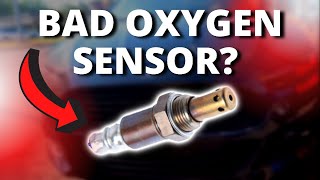
A bad oxygen sensor can cause noticeable problems. The most common sign is the Check Engine Light turning on. You might also notice your truck getting worse gas mileage, idling roughly, or hesitating when you accelerate. In some cases, you might smell a rotten egg odor from the exhaust or see black smoke. Ignoring these signs 🎬 Watch: Learn more about the common symptoms of a bad sensor. can lead to more serious and expensive damage to your catalytic converter.
Don't Ignore a Failing Sensor
Driving for too long with a bad oxygen sensor can cause your engine to run rich, meaning it uses too much fuel. This excess fuel can overheat and destroy your catalytic converter, a repair that costs significantly more than replacing an O2 sensor.
Choosing the Right Aftermarket Oxygen Sensor

When shopping for a new oxygen sensor for your Blazer, you'll find several brands. They generally fall into three quality tiers. For a critical part like this, sticking to the top two tiers is recommended for reliability and performance.
Tier 1: OEM and Premium Brands
These brands are either the original equipment manufacturer (OEM) or are known to meet or exceed OEM standards. They offer the best fit, performance, and longevity.
- ACDelco: This is GM's own parts brand. It's the original part that came with your Blazer and offers guaranteed compatibility. Some ACDelco sensors are manufactured by Denso.
- Denso: A top-tier OEM supplier for many carmakers, including GM. Denso sensors are known for their quality and fast response time, which helps the engine computer make quick adjustments for better fuel economy.
Tier 2: Quality Aftermarket Brands
These brands are well-respected in the industry and provide a great balance of quality and price. They are a reliable choice for most owners.
- Bosch: As the inventor of the automotive oxygen sensor, Bosch has a long history of quality. They are a popular and dependable choice, though some forum users note that Denso and ACDelco may have slightly faster switching times.
- NGK (NTK): NTK is the sensor division of NGK. They are a major OEM supplier and are highly regarded for their performance and durability.
Tier 3: Economy Brands
These brands offer the lowest price point but may have variable quality and a shorter lifespan. They can be a budget-friendly option for a quick repair, but may not provide the same long-term performance.
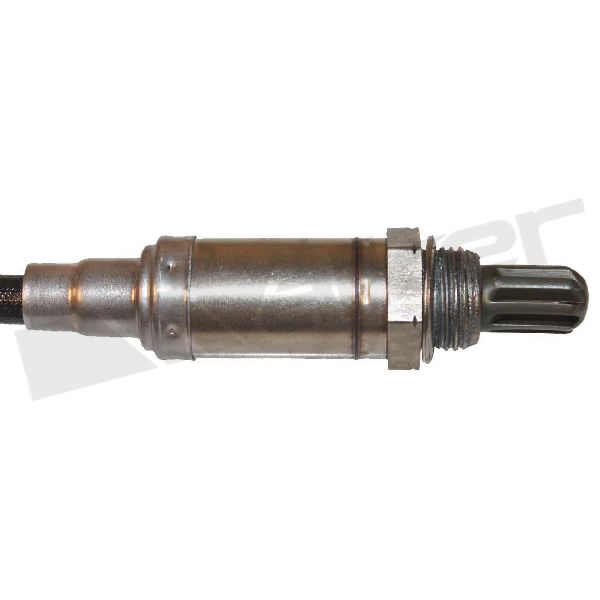
- DriveWire, Spectra, Walker Products, Vemo: These brands provide a functional replacement at a lower cost. Walker, for example, is known as an economy line that sometimes uses sensor elements from top brands like Denso or NTK.
Pro Tip: Replace in Pairs
Your Blazer has two upstream oxygen sensors that control the air-fuel mixture. Since sensors wear out over time, it's a good practice to replace both upstream sensors (Bank 1 and Bank 2) at the same time. This ensures both sides of your V6 engine are reporting information at the same speed and accuracy, keeping your engine balanced and running smoothly.
Cost of Replacing a Chevrolet Blazer Oxygen Sensor

| Part or Service | Estimated Cost |
|---|---|
| New Aftermarket Sensor | $34 - $113 |
| New OEM Sensor (ACDelco) | $60 - $150 |
| Shop Labor | $70 - $100 per sensor |
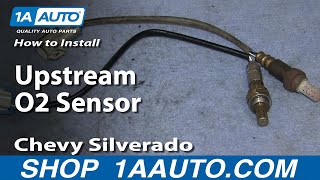
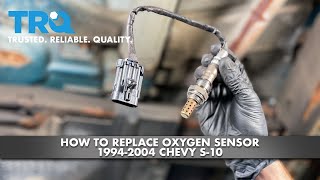
| Total Professional Replacement 🎬 Save on labor costs by following this DIY replacement walkthrough. | $230 - $340 (for one sensor) |
Frequently Asked Questions

How many oxygen sensors does my 1996-2006 Blazer have?
Most 4.3L V6 Blazers in this generation have three oxygen sensors. There are two "upstream" sensors (one for each exhaust manifold, called Bank 1 Sensor 1 and Bank 2 Sensor 1) and one "downstream" sensor located after the catalytic converter (called Bank 1 Sensor 2 or sometimes Bank 1 Sensor 3 on earlier models).
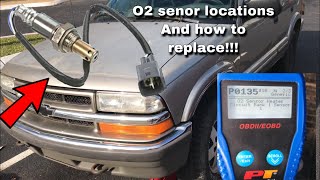
🎬 See this video to find all O2 sensor locations on your Blazer.What is the difference between upstream and downstream sensors?
Upstream sensors (Sensor 1) are located before the catalytic converter. They are critical for engine performance, as they measure the initial exhaust and tell the computer how to adjust the air-fuel mixture. The downstream sensor (Sensor 2 or 3) is located after the catalytic converter and its main job is to monitor the converter's health and efficiency.
Should I replace all three sensors at once?
It's not always necessary, but it can be a good idea if your vehicle has high mileage (over 100,000 miles). As mentioned in the pro-tip, you should at least replace the two upstream sensors as a pair. If one has failed, the other is likely not far behind. Replacing them together ensures balanced engine performance.
Can I clean my old oxygen sensor?
While you might see some information about cleaning sensors, it is not a recommended or reliable fix. The sensing elements are delicate and can be damaged by contaminants or cleaning attempts. A new sensor is the only guaranteed way to restore proper function.
Were there any recalls for the Blazer oxygen sensor?
No specific, widespread oxygen sensor recalls were found for the 1996-2006 Chevrolet Blazer during a search of the NHTSA database. Recalls found were for different vehicle models and years.
Helpful Videos
Technical Specifications
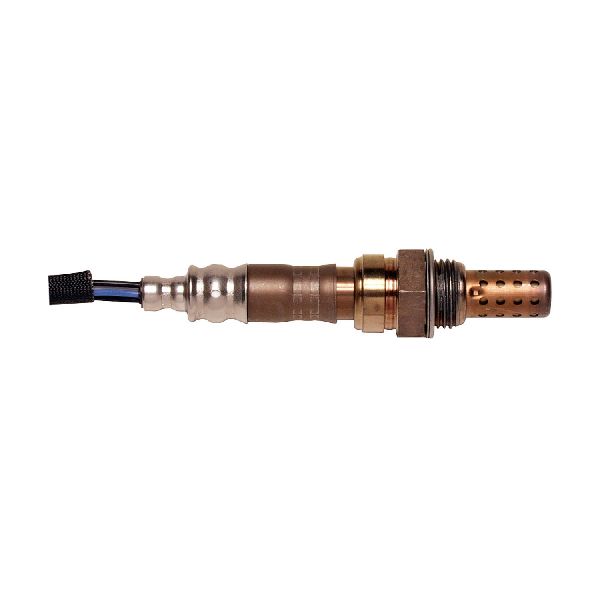
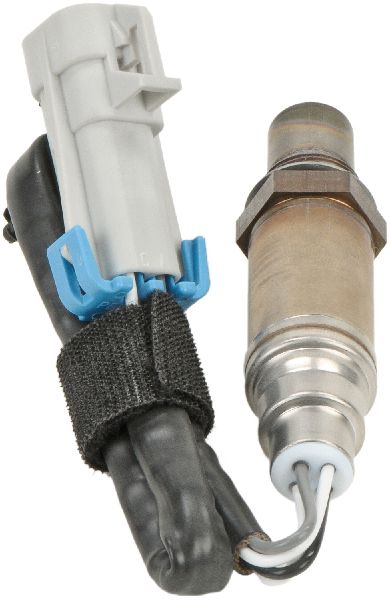
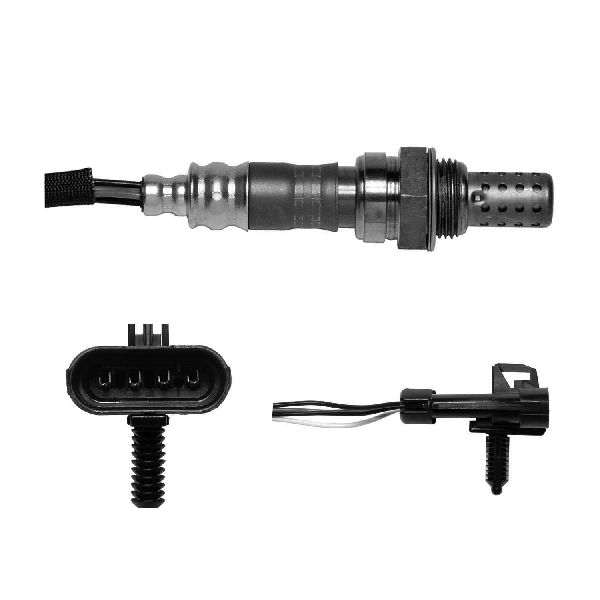
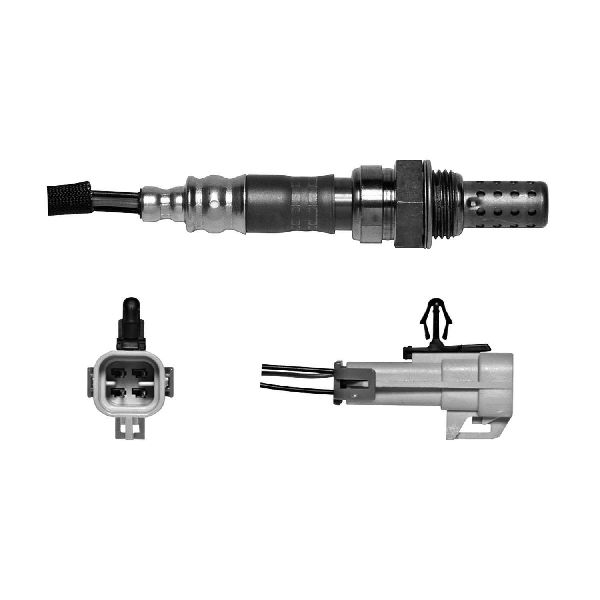
The 4.3L V6 engine in the 1996-2006 Blazer typically uses three 4-wire heated oxygen sensors. Part numbers vary by specific year and sensor location (Bank 1 Sensor 1, Bank 2 Sensor 1, Bank 1 Sensor 2/3). Always verify the correct part number for your specific vehicle using the VIN.
We Have This Part in Stock


The information in this article is provided for general reference and educational purposes only. Vehicle specifications, procedures, and part compatibility can vary by production date, trim level, and region. Always consult your vehicle's factory service manual and verify part numbers before purchasing or performing repairs. Safety-critical components such as airbags, seat belts, and braking systems should be installed by a qualified professional.
- Chevrolet Blazer:
- 🎬 Helpful Videos
- 🛍️ Shop This Part
- Is Your Blazer's Oxygen Sensor Failing?
- Don't Ignore a Failing Sensor
- Choosing the Right Aftermarket Oxygen Sensor
- Tier 1: OEM and Premium Brands
- Tier 2: Quality Aftermarket Brands
- Tier 3: Economy Brands
- Pro Tip: Replace in Pairs
- Cost of Replacing a Chevrolet Blazer Oxygen Sensor
- Frequently Asked Questions
- 🎟️ Get 5% Off