

Chevrolet Blazer Radiator: A Guide for Replacement (1996-2006)
Keep your 4.3L V6 engine from overheating by understanding the common issues and choosing the right aftermarket radiator.
- The most common failure is the plastic side tank cracking or leaking where it meets the aluminum core.
- You don't need an expensive OEM radiator; quality aftermarket brands like Denso and Spectra offer reliable, direct-fit replacements.
- While replacing the radiator, it is highly recommended to also replace the radiator cap, thermostat, and hoses to prevent future issues.
- Consider flushing the system completely, especially if the old coolant is sludgy, and refilling with a universal extended-life coolant.
Signs of a Failing Radiator in Your Blazer
The most common failure on 1996-2006 Chevrolet Blazer radiators is a leak where the plastic side tanks are crimped to the aluminum core. Over time, the plastic becomes brittle and cracks under constant temperature and pressure changes. Here are the key symptoms to watch for:
- Visible Coolant Leaks: You may find puddles of brightly colored fluid (green, orange, or pink) under the front of your truck. A common leak spot is where the plastic tank meets the aluminum core.
- Engine Overheating: The temperature gauge on your dashboard climbing into the red zone is a serious warning sign. This indicates the radiator is no longer cooling the engine effectively.
- Low Coolant Level: Frequently needing to add coolant to the overflow tank is a sure sign of a leak somewhere in the system.
- Sludge or Rusty Coolant: When you look inside the radiator, the coolant should be clean. If it appears rusty, brown, or sludgy, it can indicate internal corrosion or that old coolant is breaking down and clogging the system.
A Note on Dex-Cool Sludge
Many of these Blazers originally used GM's Dex-Cool coolant. If not maintained properly, or if mixed with other coolant types, it has been known to cause a brown, sludgy buildup in the cooling system, which can clog the radiator and heater core. When replacing your radiator, it's a good idea to thoroughly flush the entire system.
🎬 Watch a professional walkthrough of the radiator removal process.Choosing the Right Aftermarket Radiator
For the 1996-2006 Blazer, you don't need to buy an expensive OEM part from the dealer. Aftermarket radiators offer good quality and value, often for a fraction of the price. They are typically designed as direct-fit replacements, meaning they should install without major modifications. Here’s a breakdown of available brands:
Premium Aftermarket ($200 - $270)
These brands are known for quality that often meets or exceeds original equipment standards. They are a top choice for reliability and fit.
- Denso: As a major OEM supplier for many car manufacturers, Denso has a strong reputation for quality, reliability, and excellent fitment. Reviews from owners are consistently positive, citing it as a perfect replacement.
- Frostbite: Often positioned as a performance or heavy-duty option, these may offer enhanced cooling capabilities, such as all-aluminum construction, which can be beneficial if you tow or live in a hot climate.
Standard Aftermarket ($140 - $200)
These are the most popular choices, offering a great balance of price and quality for daily driving.
- Spectra: A very common aftermarket brand. While some users have reported occasional issues, many have used them without problems. They are generally considered a reliable, budget-friendly option that fits well.
- APDI: Reviews for APDI are mixed. Some users have reported issues with quality and fitment, suggesting it might be a lower-tier option.
Economy Aftermarket ($111 - $140)
These are the most budget-friendly options. They can be a good choice if the price is your primary concern, but be aware that long-term durability might not match the higher-tiered brands.
- Global Parts, One Stop Solutions, Onix: These brands fall into the economy category. While they will get the job done, it's wise to inspect them carefully upon arrival for any damage or manufacturing defects before installation.
Pro Tip: Replace More Than Just the Radiator
While you have the cooling system drained, it's the perfect time to replace other wear items. Consider installing a new radiator cap, thermostat, and upper and lower radiator hoses. This can prevent future failures and save you from having to do the job twice.
Known Issues, Recalls, and Service Bulletins
There are no specific recalls from the National Highway Traffic Safety Administration (NHTSA) for the radiator itself on the 1996-2006 Chevrolet Blazer. However, a Technical Service Bulletin (TSB) #06-06-01-019C mentions potential coolant loss from a porous cylinder head on some models with Castech brand heads, which could be misdiagnosed as a radiator problem. The most widely reported issue by owners is the failure of the plastic side tanks leaking at the seam with the aluminum core.
| Part Type | Estimated Cost |
|---|---|
| New Aftermarket Radiator | $111.88 - $266.54 |
| New OEM Radiator | ~$850 |
| Shop Labor Cost | $366 - $537 |
| Total Professional Replacement (Aftermarket Part) | ~$478 - $804 |
Frequently Asked Questions
Is replacing the radiator on a Chevy Blazer a DIY job?
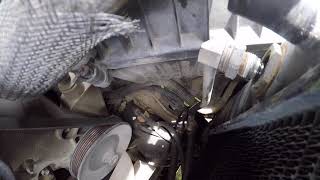
Yes, for someone with moderate mechanical skill, this is a very feasible DIY project. The process involves draining the coolant, removing the fan shroud, disconnecting hoses and cooler lines, and swapping the radiator. 🎬 Watch this step-by-step guide on replacing your Blazer's radiator. The most difficult part is often dealing with the quick-connect fittings for the transmission and oil cooler lines, which can be stubborn. Expect it to take 2-4 hours.
Do I need a special tool for the cooler lines?
While special quick-disconnect tools exist, many owners find it easier to simply unscrew the entire fitting from the old radiator and transfer it to the new one. This avoids struggling with the clips inside the fittings. Just be careful not to cross-thread them during installation.
What type of coolant should I use in my 1996-2006 Blazer?
These trucks originally came with GM's orange Dex-Cool coolant. However, due to issues with sludge, many owners and shops now prefer to flush the system and switch to a universal green or yellow extended-life coolant. The most important thing is to not mix coolant types. If you switch, a complete flush is necessary.
Should I get an all-aluminum radiator instead of one with plastic tanks?
For most users, a quality aftermarket radiator with plastic tanks is perfectly fine and cost-effective. An all-aluminum radiator, like some offered by Frostbite, provides superior durability and cooling, but is typically more expensive and often considered a performance upgrade for towing or heavy-duty use.
Helpful Videos
Technical Specifications
OEM Part Numbers: 52466108 52473232 52473233 52475373
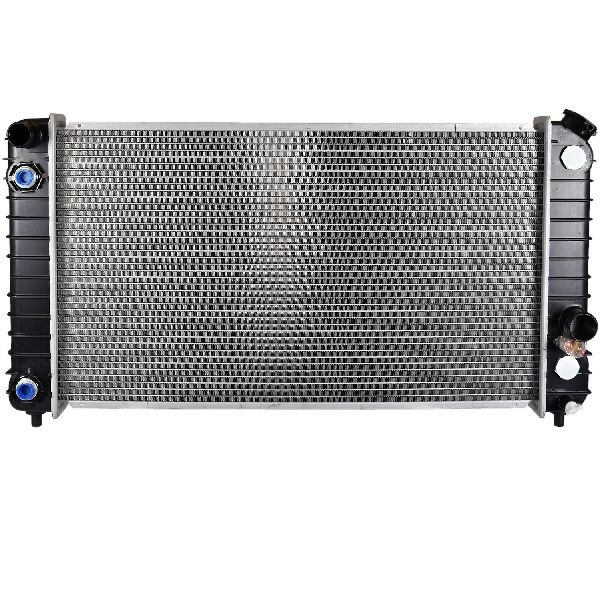
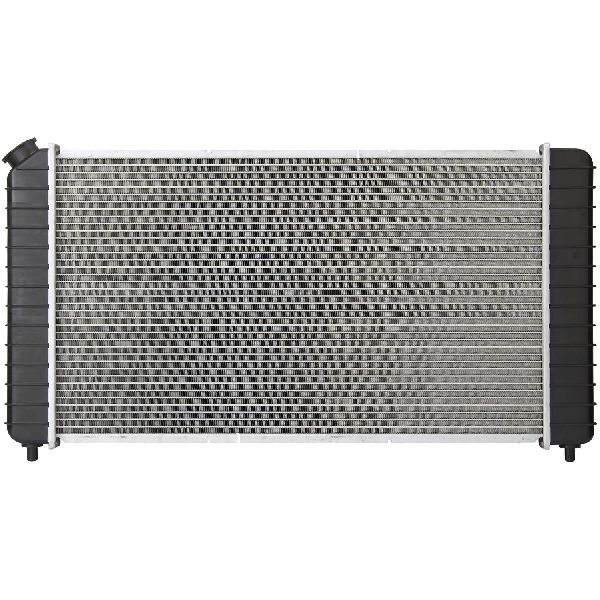
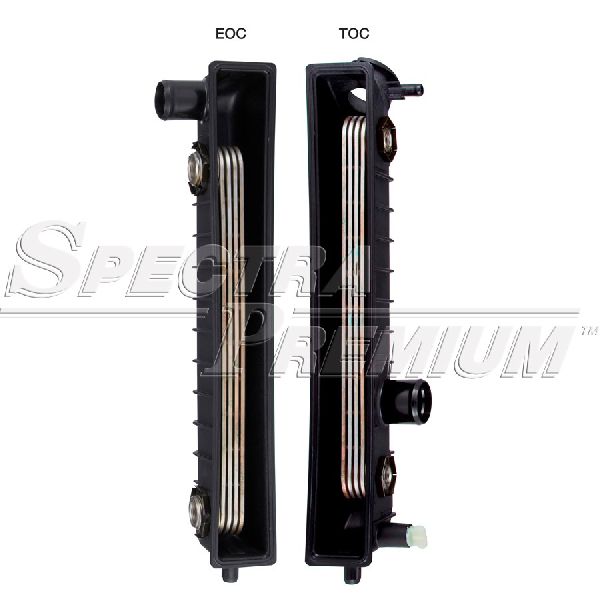
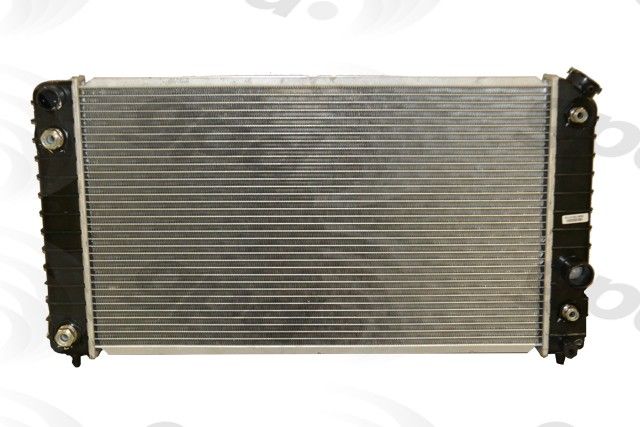
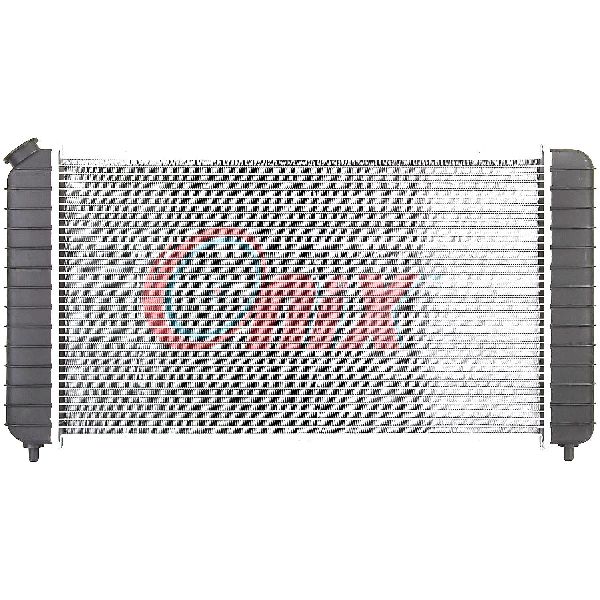
All models from 1996-2006 use a cross-flow radiator with an aluminum core and plastic tanks. It includes an engine oil cooler (EOC) and a transmission oil cooler (TOC) integrated into the passenger-side tank. Ensure your replacement has connections for both.
We Have This Part in Stock


The information in this article is provided for general reference and educational purposes only. Vehicle specifications, procedures, and part compatibility can vary by production date, trim level, and region. Always consult your vehicle's factory service manual and verify part numbers before purchasing or performing repairs. Safety-critical components such as airbags, seat belts, and braking systems should be installed by a qualified professional.
- Chevrolet Blazer:
- 🎬 Helpful Videos
- 🛍️ Shop This Part
- Signs of a Failing Radiator in Your Blazer
- A Note on Dex-Cool Sludge
- Choosing the Right Aftermarket Radiator
- Premium Aftermarket ($200 - $270)
- Standard Aftermarket ($140 - $200)
- Economy Aftermarket ($111 - $140)
- Pro Tip: Replace More Than Just the Radiator
- Known Issues, Recalls, and Service Bulletins
- Frequently Asked Questions
- 🎟️ Get 5% Off