

Spark Plug Guide for the 1996-2006 Chevrolet Blazer
Everything you need to know about choosing and replacing the spark plugs on your 4.3L V6 Blazer.
- Stick with ACDelco or NGK spark plugs for the best compatibility and performance on the 4.3L V6 engine.
- The driver's side middle spark plug (#3) is notoriously difficult to access due to the steering shaft; plan for extra time and use a swivel socket.
- Always check the spark plug gap before installation; the specification is 0.060 inches, but some modern plugs may use a revised 0.040-inch gap.
- For a complete tune-up, it is highly recommended to also replace the spark plug wires, distributor cap, and rotor at the same time.
Signs of Failing Spark Plugs

Worn-out spark plugs can cause a range of noticeable problems in your Blazer. Because they are a critical part of the ignition system, you will likely feel a difference in how your engine runs. Ignoring these signs can lead to worse fuel economy and potential damage to other engine parts.
- Rough Idle: Your engine may shake or run unevenly when you're stopped.
- Poor Acceleration: The vehicle may feel sluggish or slow to respond when you press the gas pedal.
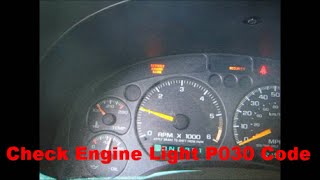
- Engine Misfires: You might feel a jerking or stumbling from the engine. This can trigger a flashing Check Engine Light, which is a sign of a serious misfire that could damage your catalytic converter. Common misfire codes include P0300 (random misfire) and P0301 through P0306 🎬 Watch how to diagnose and fix a P0300 misfire code. (for specific cylinders).
- Reduced Fuel Economy: If you're filling up your gas tank more often, failing spark plugs could be the cause.
- Difficulty Starting: A weak or inconsistent spark can make it harder for the engine to turn over.
Choosing the Right Aftermarket Spark Plugs

For the 1996-2006 Chevrolet Blazer, sticking with the original equipment (OE) manufacturer's recommendation is a safe bet. The 4.3L V6 engine can be sensitive to the type of spark plug used. While many brands are available, they generally fall into a few quality tiers based on owner feedback and performance.
Tier 1: OEM & Premium Aftermarket
These brands are highly recommended by Blazer owners and mechanics. They are known for their reliability and compatibility with the Blazer's ignition system.
- ACDelco: As the original GM parts supplier, ACDelco is the go-to choice for a direct OEM replacement. Many owners report that their Blazer runs best on either ACDelco Platinum or Iridium plugs. In many cases, ACDelco plugs are manufactured by NGK.
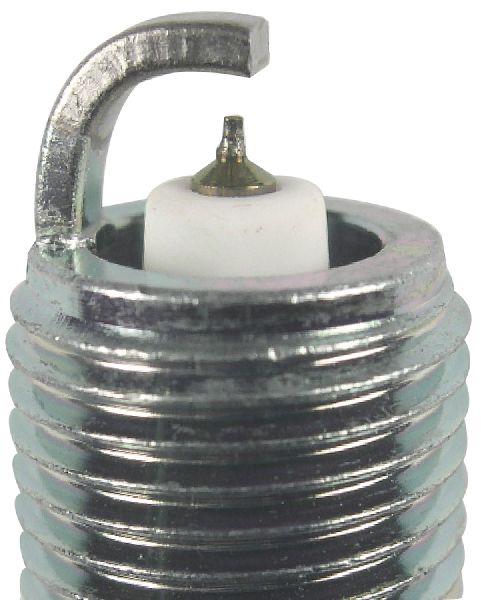
- NGK: A top-tier brand that is often the actual manufacturer of OEM plugs. NGK Iridium IX and G-Power plugs are excellent alternatives that meet or exceed OEM specifications.
- Denso: Another high-quality Japanese brand known for its durable Iridium plugs. They are a solid choice if ACDelco or NGK plugs are not available.
Tier 2: Reputable Aftermarket
These brands offer good quality and are a reliable choice for most owners. They provide a good balance of performance and price.
- Autolite: A well-regarded brand that offers various plug types, including Double Platinum and Iridium XP, which are popular choices. Some owners have used them with success.
- Bosch: A major parts manufacturer that produces quality spark plugs. Their platinum and iridium plugs are a dependable option.
Tier 3: Budget-Friendly
These brands can work but are generally considered a step down in material quality or longevity. They can be an option if budget is the primary concern.
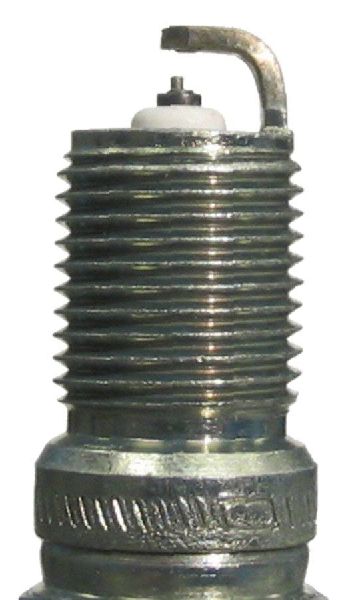
- Champion: A long-standing brand that offers basic copper and platinum plugs. While functional, they may not last as long as premium options.
- Accel & MSD: These brands are more focused on high-performance applications and may not be necessary for a stock 4.3L V6 engine.
A Note on Spark Plug Gap
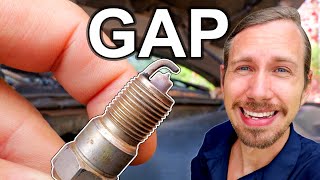
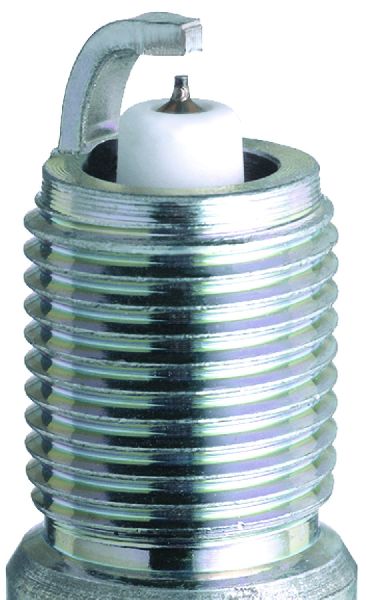
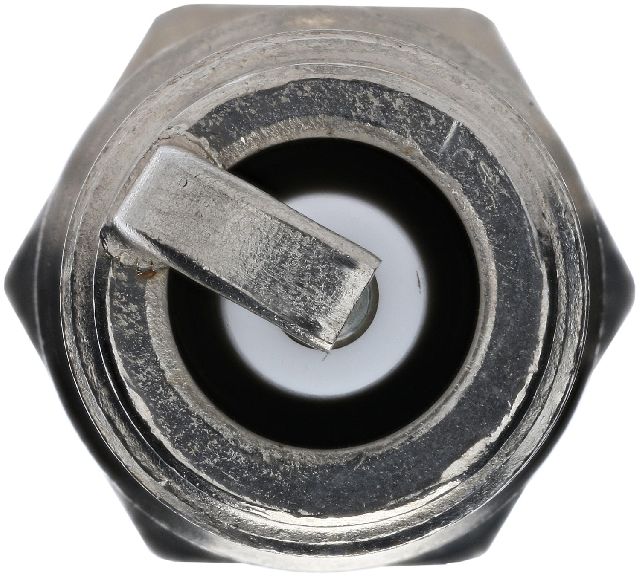
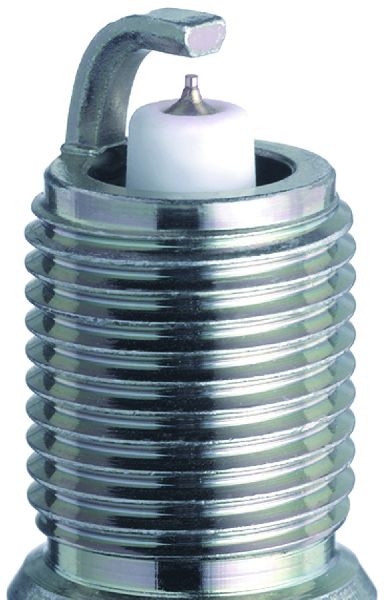
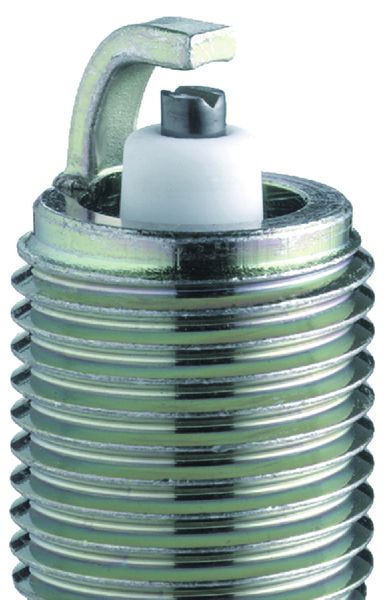
The correct spark plug gap for the 4.3L V6 engine is 0.060 inches. However, some newer replacement plugs, especially iridium and platinum types, may come pre-gapped to a revised 0.040-inch specification. While many plugs come pre-gapped, it is crucial to always check the gap with a feeler gauge before installation and adjust if necessary. Do not use a coin-style gapper on iridium or platinum plugs, as it can damage the fine tip.
🎬 Learn why setting the correct spark plug gap is critical.Installation Tips & Known Issues

Replacing the spark plugs on a 1996-2006 Blazer is a manageable DIY job, but it has one infamous challenge: the driver's side middle spark plug (Cylinder #3). This plug is partially blocked by the steering shaft.
Tips for the #3 Spark Plug:
- Access the plugs through the front wheel wells. Removing the wheels and peeling back the rubber splash guards provides the most direct access.
- Use a combination of extensions and a swivel/u-joint socket to reach the difficult plugs.
- For the #3 plug, some mechanics turn the steering wheel slightly to find a flat spot on the shaft, creating a little extra clearance.
- In more difficult cases, some people temporarily unbolt the steering shaft (one bolt) to move it out of the way. 🎬 See a step-by-step guide for replacing Blazer spark plugs.
Pro Tip: Use Anti-Seize and Dielectric Grease
Apply a small amount of anti-seize compound to the threads of the new spark plugs to make them easier to remove in the future. Also, put a dab of dielectric grease inside the spark plug wire boot to protect against moisture and ensure a good connection.
Cost of New Aftermarket Spark Plugs
| Part Type | Price Range (Per Plug) |
|---|---|
| New Aftermarket | $3.91 - $20.58 |
| Shop Labor | $150 - $300 |
Prices are estimates and can vary based on brand, location, and labor rates. You will need six spark plugs for the 4.3L V6 engine.
Frequently Asked Questions
Are expensive iridium spark plugs worth it for my Blazer?
For most owners, yes. While more expensive upfront, iridium plugs last much longer than traditional copper or platinum plugs—often up to 100,000 miles. Given the difficulty of changing the #3 plug, using a long-lasting plug means you won't have to do the job again for a very long time.
Should I replace my spark plug wires at the same time?
It's a very good idea. Spark plug wires degrade over time, and old wires can cause misfires even with new plugs. Since you'll be removing the wires to get to the plugs, replacing them as a set is efficient and prevents future ignition problems.
What about the distributor cap and rotor?
The 1996-2006 Blazer uses a distributor ignition system. The cap and rotor are wear items just like spark plugs. If they haven't been replaced in the last 50,000 miles, it is highly recommended to replace them along with your plugs and wires for a complete ignition system tune-up.
Are there any recalls for the spark plugs on this Blazer?
No, there are no specific recalls or widespread Technical Service Bulletins (TSBs) from NHTSA for spark plug issues on the 1996-2006 Chevrolet Blazer. Any issues are typically related to normal wear and tear.
Helpful Videos
Technical Specifications
OEM Part Numbers: 25332827 25332828 R44LTS6
Engine: 4.3L V6. Quantity Required: 6. Spark Plug Gap: 0.060 inches. Tightening Torque: 13 ft-lbs (156 in-lbs).
We Have This Part in Stock

The information in this article is provided for general reference and educational purposes only. Vehicle specifications, procedures, and part compatibility can vary by production date, trim level, and region. Always consult your vehicle's factory service manual and verify part numbers before purchasing or performing repairs. Safety-critical components such as airbags, seat belts, and braking systems should be installed by a qualified professional.
- Chevrolet Blazer:
- 🎬 Helpful Videos
- 🛍️ Shop This Part
- Signs of Failing Spark Plugs
- Choosing the Right Aftermarket Spark Plugs
- Tier 1: OEM & Premium Aftermarket
- Tier 2: Reputable Aftermarket
- Tier 3: Budget-Friendly
- A Note on Spark Plug Gap
- Installation Tips & Known Issues
- Pro Tip: Use Anti-Seize and Dielectric Grease
- Cost of New Aftermarket Spark Plugs
- Frequently Asked Questions
- 🎟️ Get 5% Off