

Chevrolet Blazer Starter Motor Guide for 1996-2006 Models
Don't get stranded by a bad starter—here’s what you need to know for your 1996-2006 Blazer.
- Always test the battery first; a rapid clicking sound often points to a weak battery, not a bad starter.
- Be aware of "heat soak," where the starter fails to work when hot but functions again after cooling down.
- For easier DIY replacement, unbolt the starter first, then lower it to gain better access to the electrical connections.
- Due to the somewhat difficult access, consider spending more on a high-quality brand like ACDelco to avoid doing the job twice.
Is Your Blazer's Starter Failing?
A failing starter on the 1996-2006 Chevrolet Blazer often gives warning signs before it leaves you stranded. Because the starter is located on the passenger side of the engine, close to the hot exhaust manifold, it is prone to failure from heat and age. Understanding the symptoms can help you diagnose the problem correctly and avoid replacing a perfectly good battery.
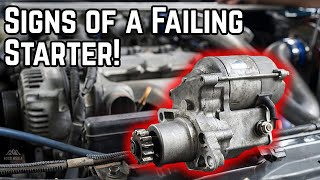
🎬 Watch: 5 signs your starter motor is failingCommon Failure Symptoms
- Single Loud Click, Then Nothing: This usually means the starter solenoid is engaging, but the starter motor itself isn't turning. This can be due to worn internal components in the motor.
- Rapid Clicking Sound: A fast clicking or chattering noise when you turn the key is often a sign of a low battery or poor electrical connections, but it can also indicate a failing starter solenoid. Always test your battery and clean the terminals first to rule them out.
- Whirring or Spinning Noise: If you hear the starter motor spin but the engine doesn't crank, the starter's bendix gear is not engaging the flywheel. This points directly to a failure within the starter assembly.
- Slow Cranking: If your engine turns over very slowly, like it's struggling, it could be a weak battery or a starter motor that is wearing out and drawing too much power.
- Intermittent Starting: The Blazer starts fine one day but refuses the next. This can be a sign of a developing "dead spot" in the starter motor or a heat-related issue.
Known Issue: Starter Heat Soak
A common problem on these GM trucks is "heat soak." This happens when the starter and solenoid get very hot after a long drive, increasing their internal electrical resistance. When you try to restart the engine while it's still hot, the starter may fail to crank or crank very slowly. After letting the engine cool down for 15-30 minutes, the truck may start normally. While some aftermarket starters come with better heat shielding, this is a persistent issue for starters located close to the exhaust.
🎬 See how to protect your starter with a heat shieldChoosing the Right Aftermarket Starter
When replacing the starter on your Blazer, you have several options. While an OEM part from the dealer is an option, quality aftermarket parts can offer a great balance of value and performance. Given the labor involved, choosing a reliable brand is important to avoid doing the job twice.
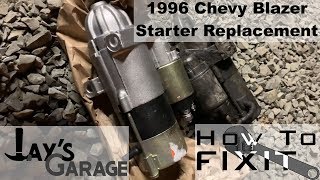
🎬 Watch this step-by-step Blazer starter replacement walkthroughBrand Quality Tiers
- Tier 1: OEM-Equivalent (ACDelco): ACDelco is GM's official parts brand and is widely considered the benchmark for quality and fit on a Chevrolet Blazer. Choosing an ACDelco Professional or GM Genuine part ensures you are getting a product designed to meet the original factory specifications. This is the safest bet for long-term reliability.
- Tier 2: Reputable Aftermarket (MPA, Bosch, Denso): Brands like MPA (Motorcar Parts of America), Bosch, and Denso are major suppliers in the aftermarket and often produce parts that meet or exceed OEM quality. They provide a reliable alternative to the dealer part, often at a better price point.
- Tier 3: Performance & Economy (Proform): Brands like Proform may offer specialized options, such as high-torque mini starters that can be lighter and more powerful. However, customer reviews for these can be mixed, with some users experiencing great performance and others reporting early failures. These can be a good option if you have specific needs like extra clearance or more cranking power, but be aware of the potential quality variance.
Starter Replacement Cost for 1996-2006 Blazer
The cost to replace your starter will depend on the type of part you choose and whether you do the work yourself.
| Item | Estimated Cost |
|---|---|
| Shop Labor | $150 - $300 |
| New Aftermarket Starter | $108 - $349 |
| Remanufactured Starter | $110 - $210 |
| New OEM Starter | $250 - $450+ |
DIY Replacement Tips
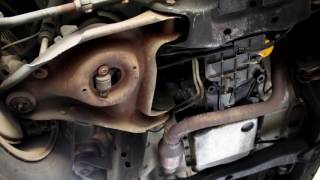
Replacing the starter is a manageable DIY job for those with some mechanical experience. It's located on the passenger side, but access is tight. First, always disconnect the negative battery terminal. Many owners find it easier to unbolt the two main 14mm starter bolts first, which allows the starter to be lowered slightly for better access to the smaller electrical connections on the solenoid. Some also remove the passenger-side front wheel or the nearby O2 sensor for more room to work. Always test the new starter before fully installing it to avoid doing the job twice.
Frequently Asked Questions
Is it my starter or my battery?
The easiest way to check is with a jump start. If the vehicle starts immediately with a jump, your battery is likely weak or dead. If it still clicks or fails to crank even with a jump start, the starter is the most likely culprit. Also, if your lights and radio work fine but the engine won't crank, suspicion should fall on the starter.
Do I need to add shims to my new starter?
Most of the time, a direct-fit replacement starter for the Blazer does not require shims. Shims are used to adjust the distance between the starter gear and the flywheel. If you hear a loud grinding or whining noise after installation, you may need to shim it. Some new starters come with shims in the box just in case.
What tools are needed to replace the starter on a Blazer?
You'll need basic hand tools. The two main mounting bolts are typically 14mm. The electrical connections on the solenoid usually require smaller wrenches or sockets, such as 8mm and 13mm. A few extensions and a ratchet will be necessary to reach the bolts.
Can I fix a starter solenoid instead of replacing the whole starter?
On these starters, the solenoid is typically attached to the motor assembly. While it's sometimes possible to replace just the solenoid, they are often sold as a complete unit. Given the labor to access the part, and the fact that a motor failure could follow a solenoid failure, replacing the entire starter assembly is the recommended and most common repair.
Helpful Videos

Technical Specifications
OEM Part Numbers: 9000860 9000899 323-485
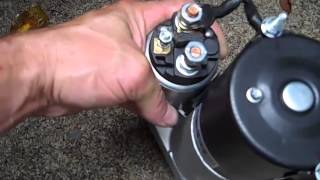
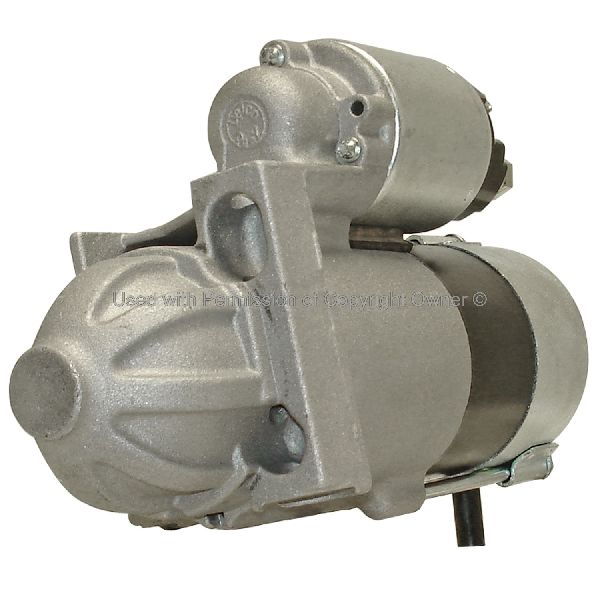
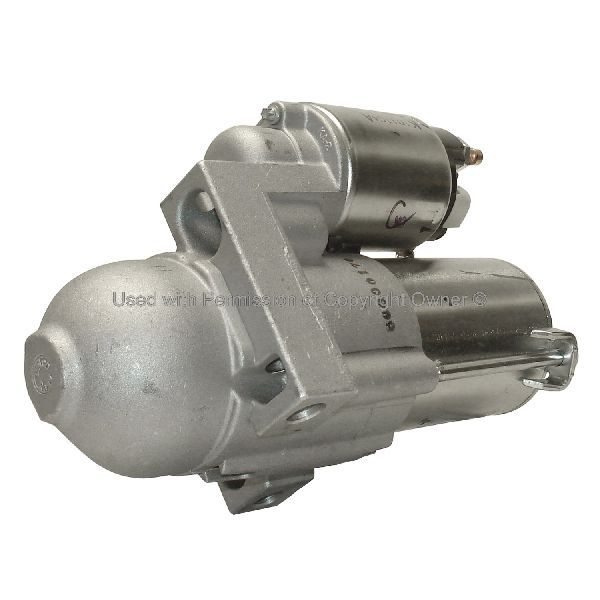
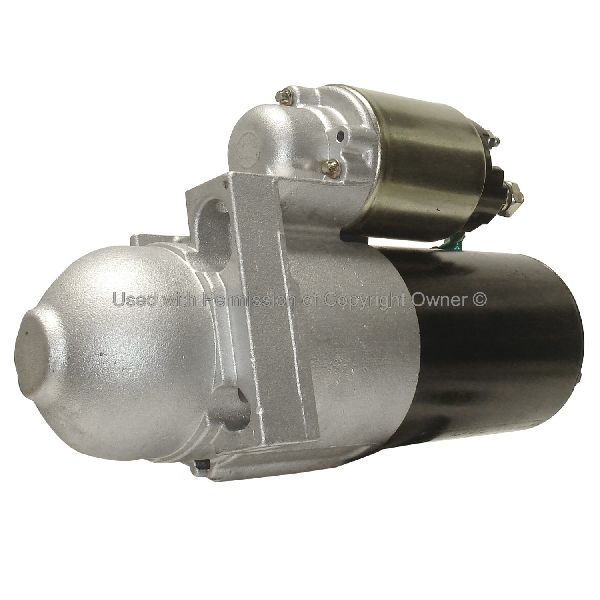
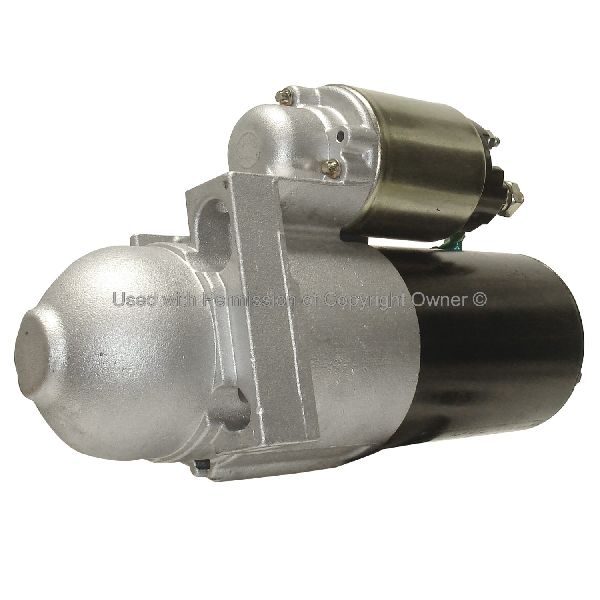
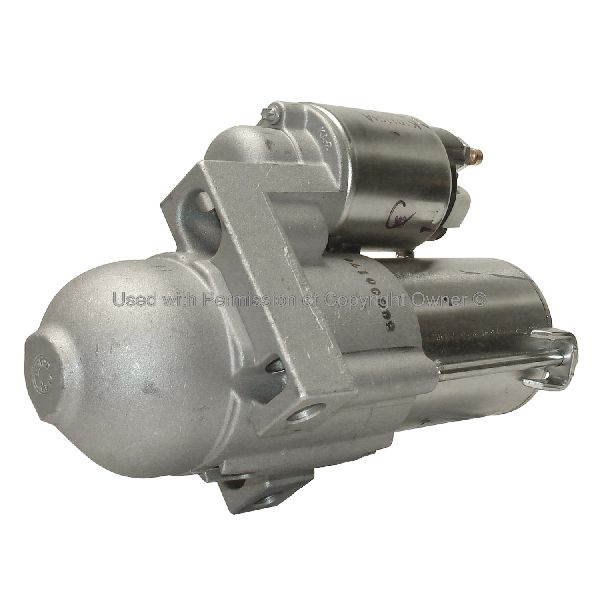
Typically a 1.7kW Permanent Magnet Gear Reduction (PMGR) starter for the 4.3L V6 engine. Mounting involves two long bolts. Electrical connections consist of a large battery post and a smaller 'S' terminal post for the solenoid.
We Have This Part in Stock

The information in this article is provided for general reference and educational purposes only. Vehicle specifications, procedures, and part compatibility can vary by production date, trim level, and region. Always consult your vehicle's factory service manual and verify part numbers before purchasing or performing repairs. Safety-critical components such as airbags, seat belts, and braking systems should be installed by a qualified professional.
- Chevrolet Blazer: